If you’ve ever wondered how water gets guided off your roof and into your gutters without causing damage, the answer lies in a small but crucial detail: the drip edge. At Roof Repair & Construction Inc, we consistently find that improperly installed or missing drip edges are among the most common root causes of water damage along eaves and fascia boards, and it remains one of the most overlooked components in residential roofing.
A drip edge is a metal flashing installed along the edges of your roof to direct water away from your fascia and into the gutters. It may seem minor, but without it, rainwater can seep under shingles, leading to rot, mold, and costly repairs. In every professional repair job we do, inspecting the condition of the drip edge is a non-negotiable first step.

EXPERIENCED INSTALLATION OF DRIP EDGE FLASHING
What Is a Drip Edge and Why It Matters
A drip edge is a thin piece of metal flashing that plays a vital role in preserving your roof's health. Installed along the edge of the roof, it channels rainwater safely into the gutters, preventing moisture intrusion under shingles and protecting your home's structural edges from long-term water damage. Though it's one of the smaller components in a roofing system, its impact on the overall performance and longevity of your roof is significant.
Drip Edge Installation in Roof Repairs
At Roof Repair & Construction Inc, we make drip edge evaluation and installation a standard part of every roof repair job we complete. This component may seem simple, but without it, your roof is exposed to long-term water damage that compounds over time. Whether you're replacing a few shingles or redoing an entire section, the drip edge must be correctly installed and sealed to prevent water intrusion and protect the underlying structure.
Our team uses high-quality aluminum or galvanized steel drip edges designed to resist corrosion and last for decades. We ensure each piece extends properly beyond the roof decking and overlaps correctly with the underlayment to form a complete, reliable water-shedding system. As of 2026, updated roofing best practices continue to reinforce what we've always prioritized: no roof repair is truly complete without verifying the drip edge is in sound condition and properly integrated with the rest of the roofing assembly.

Roof Edge Protection with Drip Edge Flashing
Roof edges are some of the most vulnerable areas of your roofing system, and without drip edge flashing, they're left defenseless against the elements. Water that slides off shingles can pool along the edge, penetrate decking, and lead to mold growth or structural decay. In older homes especially, this type of damage can go unnoticed for years before it becomes a costly problem.
Drip edge flashing helps create a watertight seal, supporting the entire roof system's integrity. At Roof Repair & Construction Inc, we prioritize this detail because we've seen firsthand how much damage its absence can cause, damage that's completely preventable. As building codes and best practices continue to evolve proper drip edge installation remains one of the most straightforward ways to protect your home's long-term structural health.

Call Roof Repair & Construction Inc for Drip Edge Repairs or Installations
Don't overlook the drip edge; it's a crucial part of your roof's defense system. Whether you're getting new shingles or fixing leaks, including a proper drip edge installation can save you thousands in future repairs. At Roof Repair & Construction Inc, we take pride in doing the job right the first time, every time.
If you're unsure whether your home has a drip edge or if it's properly installed, contact our team for a free inspection. We'll assess your roof's edge protection and offer expert solutions tailored to your home's needs. With 2026 bringing increasingly unpredictable weather patterns, there's never been a better time to make sure every detail of your roof, including the drip edge, is in top condition.
Recent Roofing Repair Advice
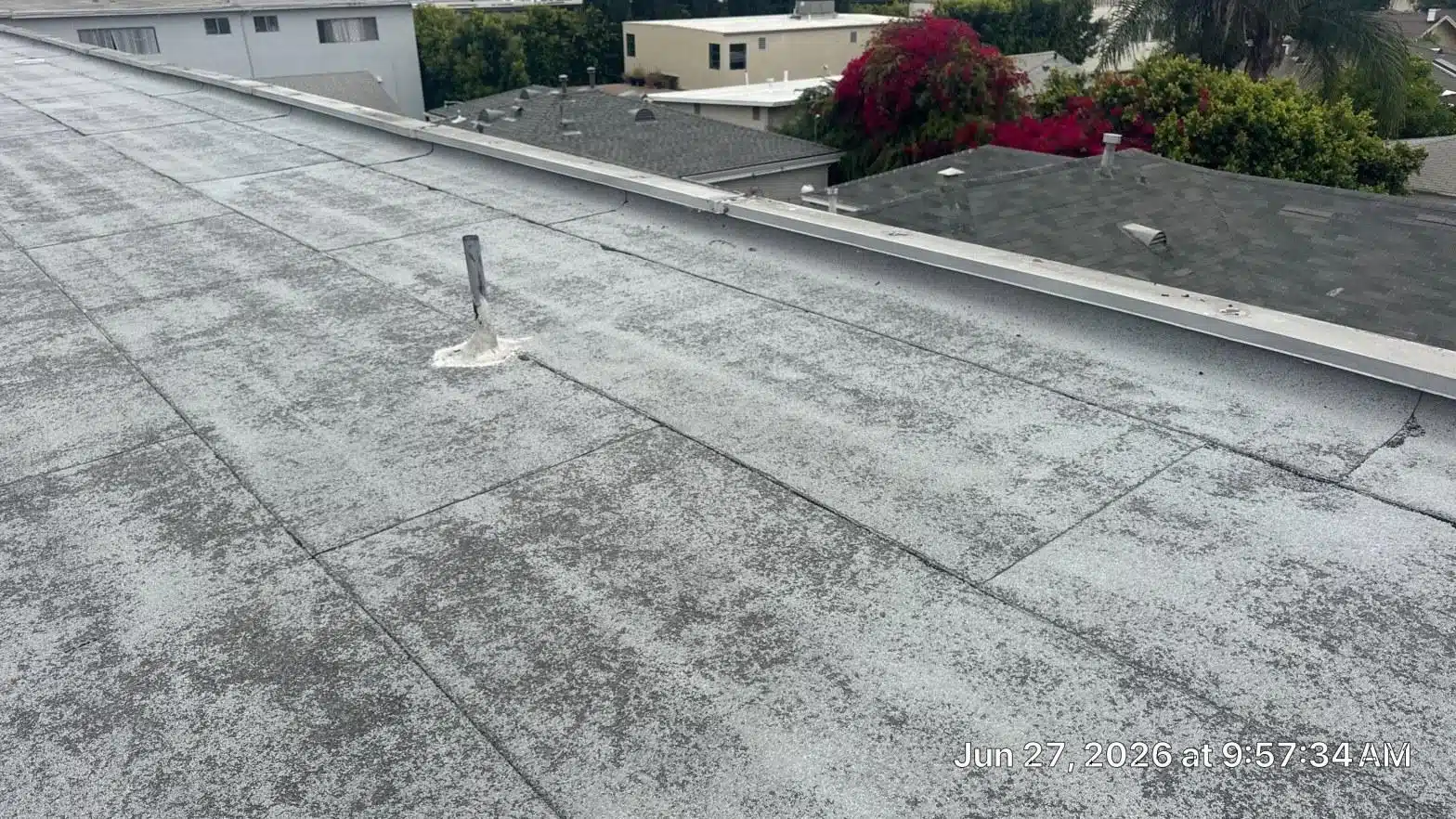
Apartment and Multi-Unit Roof Repair: What Building Owners Need to Know
Multi-unit roofs fail faster and cost more to ignore than single-family roofs. This guide walks building owners and property managers through every step of planning, scheduling, and completing a roof repair without disrupting tenants or running into code problems.
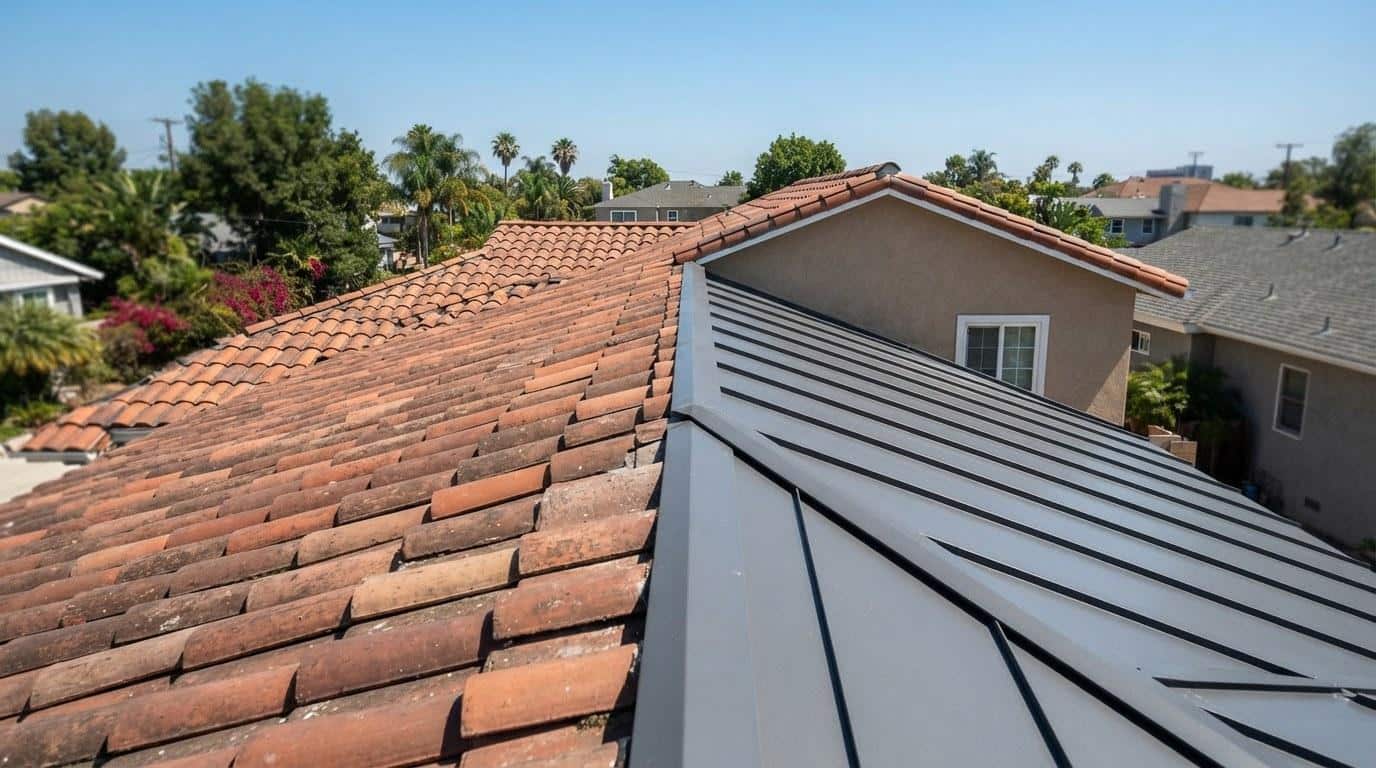
Metal Roof vs. Tile Roof: Which Holds Up Better in Southern California?
Choosing between a metal roof and a tile roof is one of the biggest decisions a Southern California homeowner can make. This guide breaks down durability, cost, fire resistance, and maintenance so you can pick the right material with confidence.
Flat Roof Repair Prices: A Complete Breakdown for Homeowners in 2026
Flat roof repair prices vary widely depending on the damage type, membrane material, and roof size. This guide breaks down what homeowners typically pay in 2026 and what factors push costs up or down.
Flat Roof Repair for Commercial Buildings: Costs, Materials, and What to Expect
A leaking flat roof on a commercial building can shut down operations, void insurance claims, and cause structural damage in weeks. This guide walks property managers and building owners through repair costs, membrane options, and what a professional inspection actually covers.
Roof Damage Insurance Claims: A Step-by-Step Guide for California Homeowners
Filing a roof damage insurance claim in California involves specific documentation steps, adjuster deadlines, and state rules that most national guides miss entirely. This guide walks you through the full process so you can protect your home and your claim.
California Roofing Permits: What Homeowners Need to Know Before Any Repair
Pulling the wrong permit, or skipping one entirely, can cost California homeowners thousands in fines and force them to tear out completed work. This guide explains exactly when a roofing permit is required, what the process looks like, and how to stay compliant from start to finish.