Everything California building owners need to know about commercial roof repair in 2026, from spotting early warning signs to understanding costs and choosing a licensed contractor.
Need this done rather than diagnosed? See our our roofing services service, or browse all roofing services.
What Does Commercial Roof Repair in California Actually Cover?
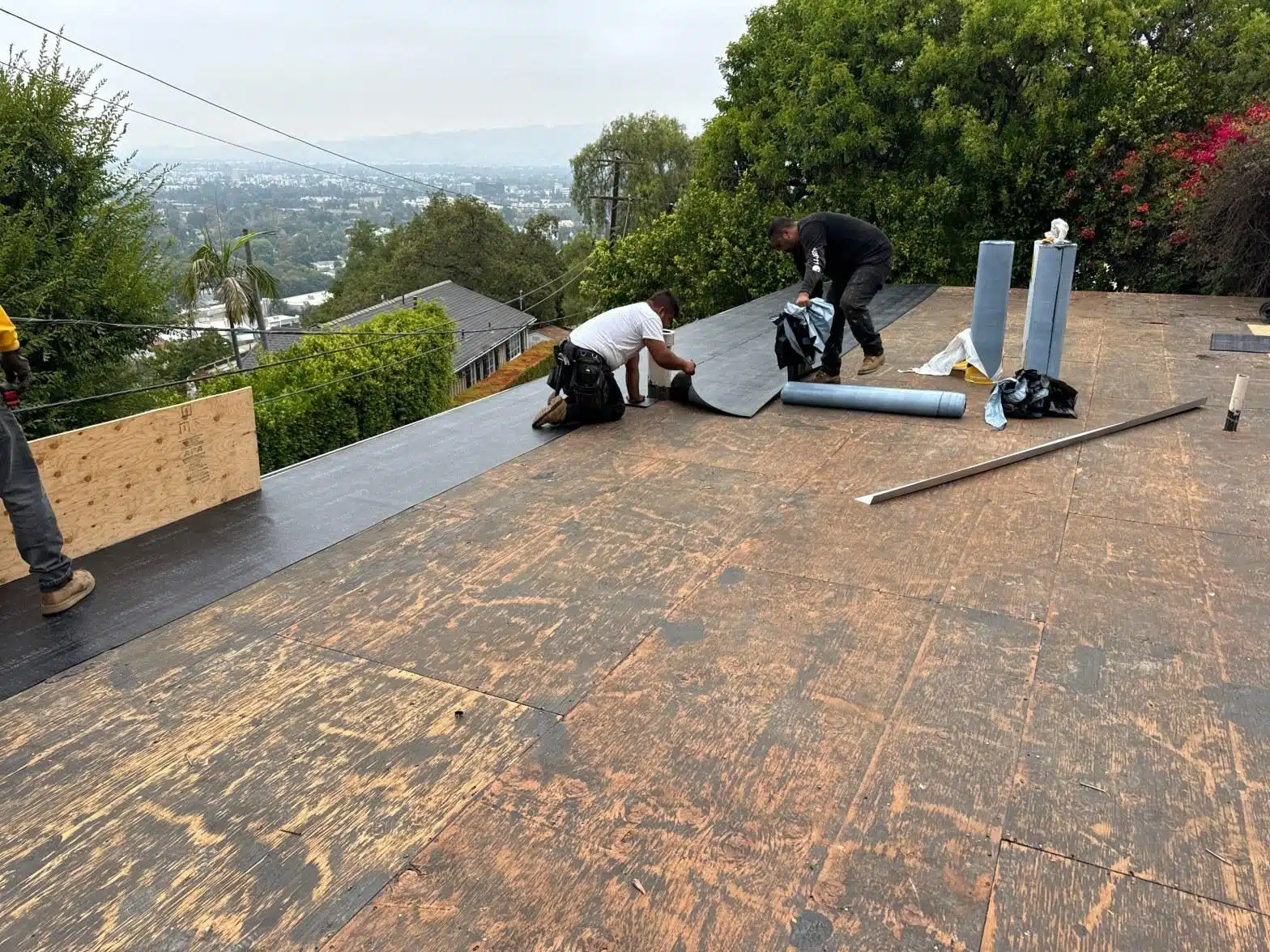
Commercial roof repair covers any work that restores a damaged or deteriorating roof on a business, industrial, or multi-unit property, from patching a single leak to replacing failed membrane sections across thousands of square feet. This commercial roof repair California guide is written for building owners, property managers, and facilities directors who need clear, actionable information before calling a contractor.
California’s climate varies dramatically across the state. Coastal properties deal with marine-layer moisture and salt air. Inland properties face intense UV exposure and summer heat that regularly exceeds 100°F. Mountain-adjacent buildings must handle freeze-thaw cycles in winter. Each environment stresses roofing materials differently, which is why repair strategies that work in one region may not be right for another.
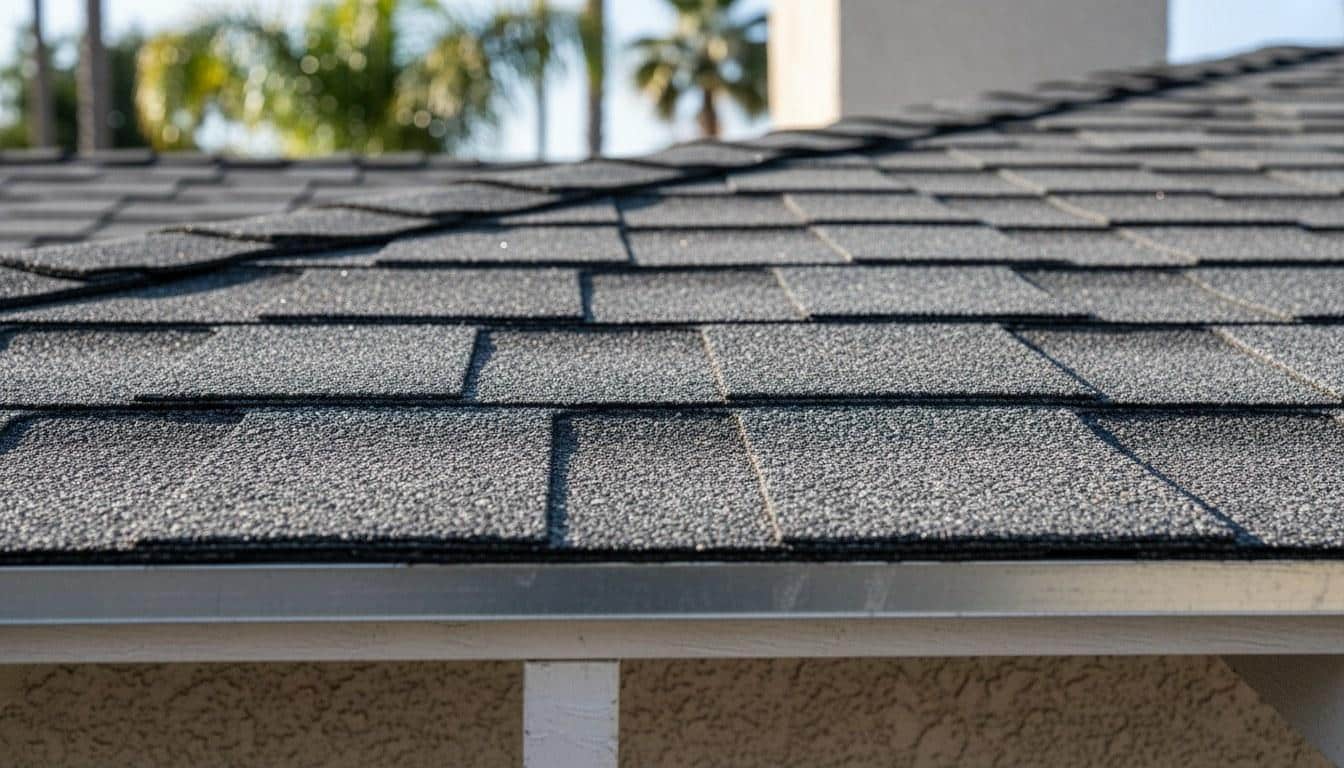
Commercial roofing systems also differ significantly from residential roofs. Most commercial buildings use low-slope or flat roof designs with membrane systems, TPO, EPDM, modified bitumen, or built-up roofing (BUR), rather than shingles. Understanding which system your building has is the first step toward getting the right repair.
What Are the Warning Signs Your Commercial Roof Needs Repair?
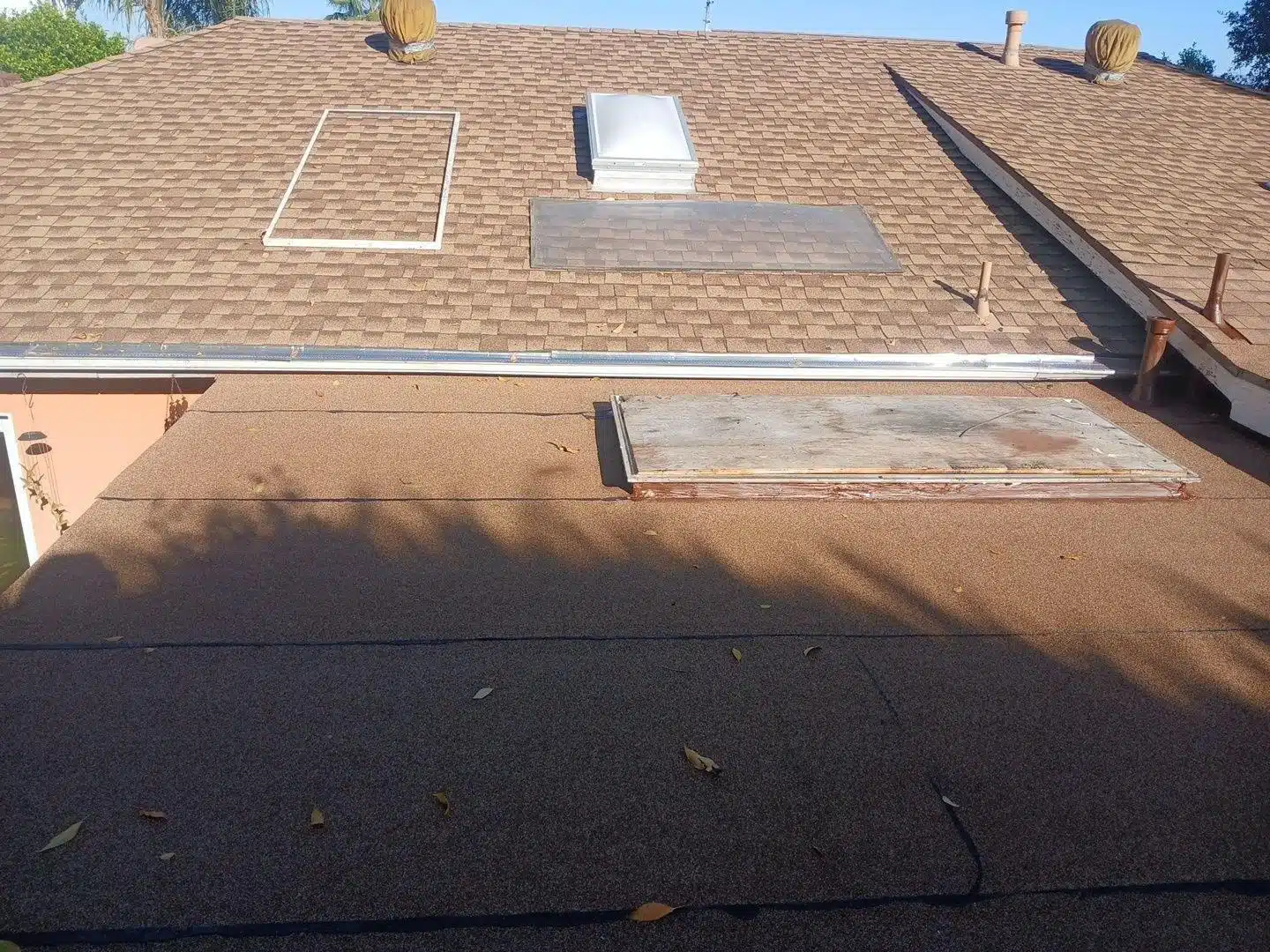
The most reliable warning signs of commercial roof damage are interior water stains, visible membrane blistering or cracking, ponding water that remains 48 hours after rain, and separating seams or flashing. Catching these early is critical, a small roof leak repair done promptly can cost a fraction of what full-section replacement costs after prolonged moisture damage.
A small roof leak repair done promptly can cost a fraction of what full-section replacement costs after prolonged moisture damage.
Our crews respond to commercial roof calls across Southern California and consistently find that building owners first notice problems inside the building, not on the roof itself. By the time ceiling tiles are stained, water has often been infiltrating the roof assembly for weeks.
Watch for these specific warning signs:
- Interior water stains or dripping: Stains on ceiling tiles or walls are a direct indicator of active or recent roof infiltration.
- Ponding water: Water that remains on a flat roof more than 48 hours after rainfall accelerates membrane degradation and adds structural load.
- Membrane blistering or bubbling: Air or moisture trapped beneath the membrane causes raised bubbles that eventually crack open.
- Cracked or open seams: Seam failures are one of the leading entry points for water on TPO and EPDM roofs.
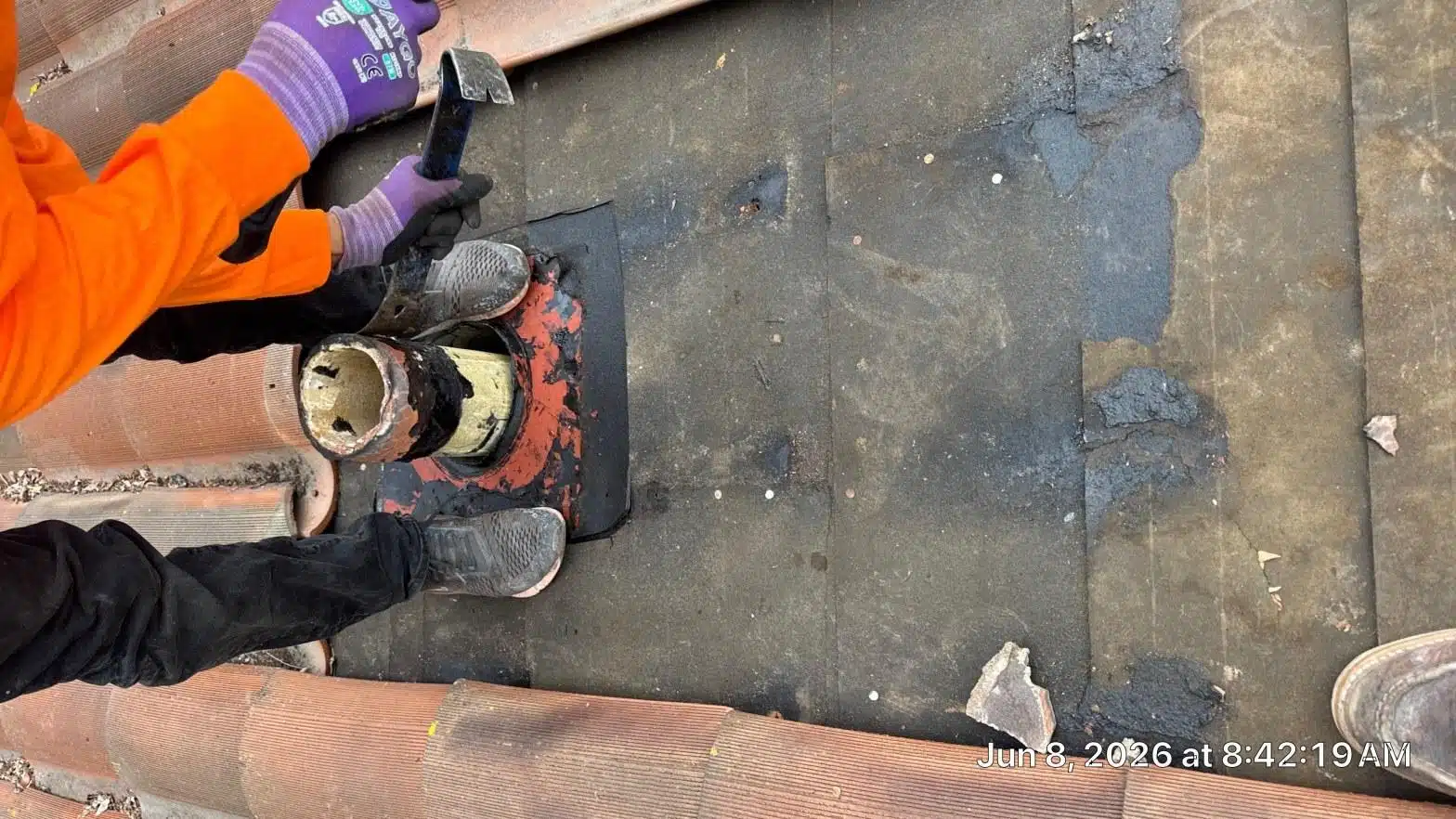
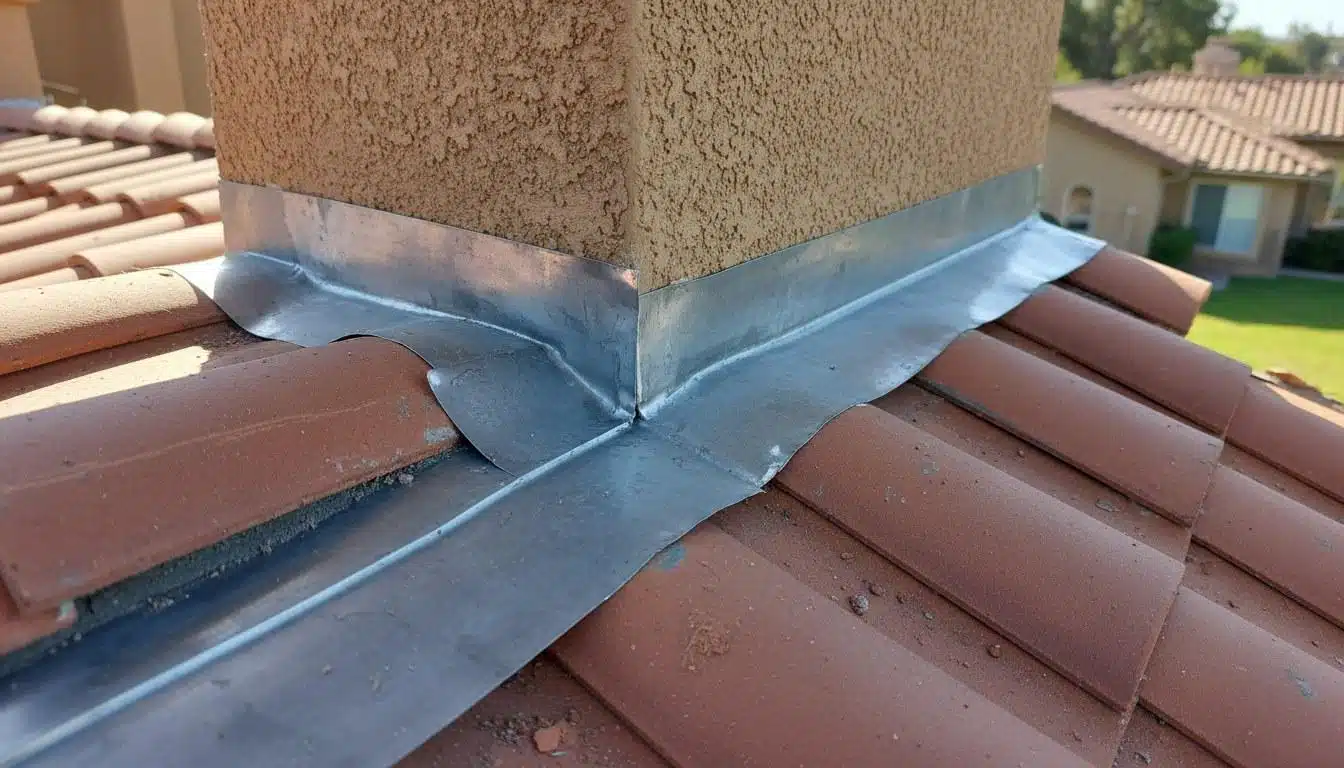
- Damaged or lifted flashing: Flashing around HVAC curbs, skylights, and parapet walls is the most common failure point on commercial roofs.
- Granule loss or surface erosion: On modified bitumen roofs, heavy granule loss exposes the asphalt layer to UV damage.
- Visible cracks or splits: Thermal expansion and UV exposure cause EPDM and BUR surfaces to crack, especially on roofs older than 15 years.
Schedule a professional inspection at least twice a year, typically in spring before summer heat and in fall before the rainy season. California’s National Weather Service data shows that most of the state receives the bulk of its annual rainfall between November and March, making fall the most important pre-season inspection window.
What Types of Commercial Roof Repairs Are Most Common in California?
The most common commercial roof repairs in California are seam re-welding, flashing replacement, blister repair, drain clearing, and membrane patch repairs. The right repair type depends on your roofing system, the age of the roof, and the extent of the damage.
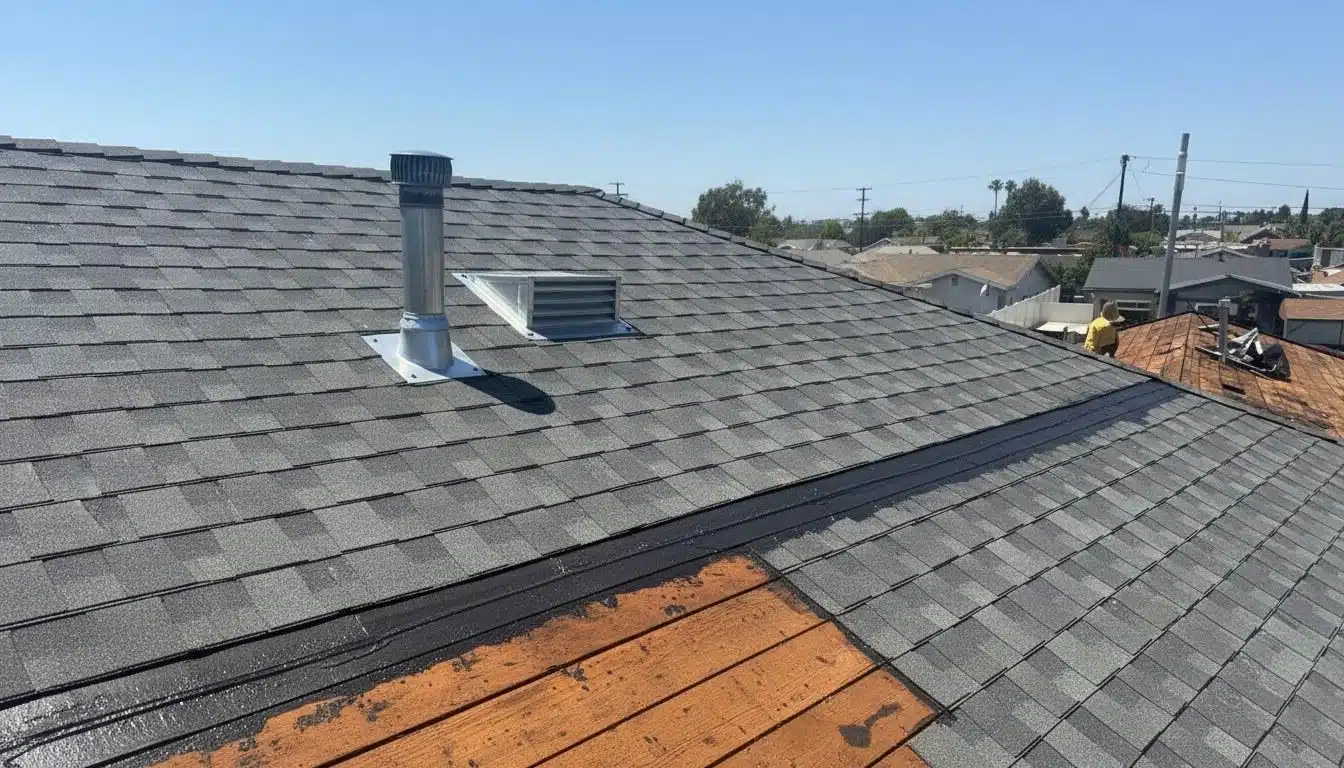
Here is a breakdown of the most common repair types and what drives each one:
| Repair Type | Common Cause | Typical Roof System | DIY or Pro? |
|---|---|---|---|
| Seam re-welding or re-taping | Thermal expansion, age, poor original installation | TPO, EPDM | Pro only |
| Flashing repair or replacement | Caulk failure, wind uplift, UV degradation | All systems | Pro only |
| Membrane patch | Punctures, blisters, storm damage | TPO, EPDM, Modified Bitumen | Pro only |
| Drain clearing and re-sloping | Debris buildup, improper slope | All flat roofs | Clearing: DIY; Re-sloping: Pro |
| Built-up roof (BUR) resurfacing | Surface erosion, alligatoring | BUR / Modified Bitumen | Pro only |
| Coating application | UV damage, minor widespread cracking | All systems | Pro recommended |
| Skylight or curb flashing repair | Sealant failure, settlement | All systems | Pro only |
Roof coatings deserve special mention in California. Reflective elastomeric and silicone coatings can extend a commercial roof’s service life by 10 to 15 years while reducing cooling loads, a meaningful benefit given California’s cooling-season energy costs. These coatings also align with California’s Title 24 building energy standards, which require cool-roof compliance on many commercial re-roofing projects.
Reflective elastomeric and silicone coatings can extend a commercial roof's service life by 10 to 15 years while reducing cooling loads.
How Much Does Commercial Roof Repair Cost in California?
Commercial roof repair in California generally ranges from $500 for a minor patch or drain clearing to $15,000 or more for large-scale membrane replacement or extensive flashing work. Full roof replacement on a large commercial building can run $8 to $25 per square foot depending on the system chosen and site conditions.
Several factors move the price significantly:
- Roof size: Commercial roofs are priced by the square (100 sq ft). A 20,000 sq ft roof costs far more to repair than a 2,000 sq ft one, even for the same damage type.
- Roofing system: TPO and EPDM membrane repairs are generally less expensive than built-up roofing or metal roof repairs because the materials are lighter and easier to work with.
- Accessibility: Buildings with restricted rooftop access, high parapets, or equipment-heavy rooflines require more labor time and sometimes lift equipment.
- Extent of damage: Isolated puncture patches cost far less than widespread seam failure or structural deck damage from long-term moisture infiltration.
- Urgency: Emergency roof leak repair after a storm typically carries a premium of 20 to 40 percent over a scheduled repair.
- Permits: Larger repairs and re-roofing projects in California require permits, which add cost but also ensure the work meets code.
- Material costs: As of 2026, supply chain stabilization has brought TPO membrane prices back toward pre-2022 levels, though labor costs in the California market remain elevated.
Building owners should also factor in potential savings. The Inflation Reduction Act federal tax credit includes provisions for energy-efficient commercial building improvements, which may apply to cool-roof coating projects. Consult a tax professional to confirm eligibility for your specific project.
Always request a written, itemized quote before any work begins. A reputable contractor will break out labor, materials, disposal, and permit fees separately so you can compare bids accurately.
How Do You Choose the Right Roofing Contractor in California?
In California, any contractor performing commercial roofing work must hold a valid license issued by the California Contractors State License Board (CSLB), typically a C-39 Roofing classification. Verifying this license before signing any contract is the single most important step a building owner can take.
Beyond licensing, here is what to look for when evaluating roofing contractors in California:
- Verify CSLB license status: Check the contractor’s C-39 license at cslb.ca.gov. Confirm it is active, not suspended, and covers the scope of work you need.
- Confirm insurance: Require a certificate of general liability insurance (minimum $1 million per occurrence is standard for commercial work) and workers’ compensation coverage.
- Ask for commercial references: Residential roofing experience does not automatically translate to commercial membrane systems. Ask for at least 3 commercial project references from the past 2 years.
- Get at least 3 written bids: Bids that are significantly lower than others often reflect missing scope, verify that each bid covers the same work.
- Review the warranty: Reputable contractors offer both a workmanship warranty (typically 2 to 5 years) and can access manufacturer warranties on materials (10 to 20 years on major membrane systems).
- Confirm permit responsibility: The contractor should pull all required permits. If a contractor suggests skipping permits to save money, walk away.
Our team handles commercial inspections across Los Angeles County and surrounding regions, and we see roughly 3 out of 10 new commercial clients come to us after a previous contractor’s unpermitted repair failed within 18 months, often voiding the building’s existing roof warranty in the process.
Roughly 3 out of 10 new commercial clients come to us after a previous contractor's unpermitted repair failed within 18 months, often voiding the building's existing roof warranty.
What California Codes and Standards Apply to Commercial Roofing?
Commercial roofing in California is governed by the California Building Code (CBC), California’s Title 24 energy standards, and local jurisdiction amendments, all of which apply on top of federal EPA regulations for any work involving rooftop equipment. Understanding these requirements helps building owners avoid costly code violations and failed inspections.
Key code and standard considerations include:
- California Building Code (CBC) Chapter 15: Sets minimum requirements for roofing materials, slope, drainage, and wind uplift resistance. Commercial re-roofing projects must comply with the current CBC edition.
- Title 24 cool-roof requirements: California’s Title 24 building energy standards require that most commercial re-roofing projects use roofing products that meet minimum solar reflectance and thermal emittance values. Low-slope roofs (slope under 2:12) are most commonly affected.
- ENERGY STAR rated products: Many cool-roof membranes and coatings carry ENERGY STAR ratings, which simplifies Title 24 compliance documentation.
- Local fire ratings: California’s wildfire risk zones require Class A fire-rated roofing assemblies in most commercial applications. Verify your local jurisdiction’s requirements before specifying materials.
- ADA and drainage compliance: Re-roofing projects that alter drainage patterns may trigger ADA accessibility reviews for rooftop equipment access.
- Permit thresholds: In most California jurisdictions, any commercial roofing repair exceeding $500 in value or involving structural components requires a building permit.
Working with a licensed contractor who is familiar with California’s current code cycle, the 2022 CBC was adopted statewide, with the next update cycle beginning in 2025, ensures your repair or replacement project passes inspection without costly rework.
Get a Professional Assessment for Your Commercial Roof
Commercial roofing problems rarely fix themselves. A roof that shows ponding water or open seams today will cost significantly more to repair in 6 to 12 months once moisture has penetrated the insulation layer and deck.
Roof Repair & Construction Inc. provides licensed commercial roof repair across Southern California, from initial inspection through permitted completion. Whether you need an emergency roof leak repair, a scheduled maintenance visit, or a full assessment before renewing your building’s roof warranty, the team is ready to help.
Call (323) 474-1088 to schedule a commercial roof inspection. Get a written, itemized quote before any work begins. Roof Repair & Construction Inc. is licensed by the California Contractors State License Board (CSLB) and serves building owners and property managers across Southern California.
Explore our full range of Roof Repair services across Southern California.
Frequently Asked Questions
How much does commercial roof repair usually cost in California?
Commercial roof repair in California typically ranges from $500 for a minor patch to $15,000 or more for large membrane sections or extensive flashing work. Full re-roofing runs $8 to $25 per square foot depending on the system and building size. Emergency repairs after storm damage can carry a 20 to 40 percent premium over scheduled work. Always get at least 3 written, itemized bids before committing.
How do I know if my commercial roof needs repair or full replacement?
If your roof is under 15 years old and damage is limited to specific areas, failed seams, isolated punctures, or flashing failures, repair is almost always the right call. If the roof is over 20 years old, has widespread membrane cracking or alligatoring, or has sustained repeated leak events, full replacement is likely more cost-effective over a 5-year horizon. A licensed contractor should inspect and document the damage before any decision is made.
What roofing license does a contractor need to do commercial roof work in California?
In California, commercial roofing contractors must hold a C-39 Roofing license issued by the California Contractors State License Board (CSLB). You can verify any contractor's license status for free at cslb.ca.gov. Never hire a contractor who cannot provide an active CSLB license number, unlicensed work can void your building's roof warranty and create liability exposure.
Does commercial roof repair in California require a permit?
Yes, in most California jurisdictions any commercial roofing repair valued over $500 or involving structural components requires a building permit. Re-roofing projects almost always require permits. The permit ensures the work is inspected for compliance with the California Building Code and Title 24 energy standards. A reputable contractor will pull all required permits, never agree to skip permits to save money.
How long does a commercial roof repair take to complete?
Small repairs like a single membrane patch or flashing replacement can be completed in 2 to 4 hours. Larger repairs involving multiple seam failures, widespread coating application, or drain re-sloping typically take 1 to 3 days. Full section replacements on a large commercial roof can take 1 to 2 weeks depending on weather, permit timing, and material delivery. Your contractor should provide a written timeline as part of the project scope.