Roof repair costs in California typically range from a few hundred to several thousand dollars, depending on damage type, roof material, and scope. This guide breaks down every factor that moves the price.
What Does Roof Repair Cost in California?
Roof repair cost in the California market typically ranges from $300 to $3,000 for standard repairs, with larger or more complex jobs reaching $5,000 to $10,000 or more. The exact price depends on the type of damage, the roofing material, and how accessible the area is. Most homeowners dealing with a minor leak or a few missing shingles land in the lower half of that range. Structural issues, storm damage, or repairs on steep or multi-story roofs push costs significantly higher.
California’s climate varies widely by region. Coastal areas deal with marine-layer moisture and salt air, while inland valleys face intense summer heat that can exceed 110°F and cause roofing materials to crack or separate. According to NOAA, California also experiences periodic atmospheric river events that deliver heavy rainfall in short bursts, which is one of the leading causes of sudden roof leaks. All of these conditions affect how often repairs are needed and how quickly damage spreads if ignored.
What Affects the Cost of Roof Repair?
Six main factors determine where your roof repair cost lands within the market range. Understanding them helps you evaluate any quote you receive and avoid surprises.
- Roof material: Asphalt shingles are the most affordable to repair, typically costing less per square than tile, metal, or flat membrane systems. Asphalt roof repairs are common across California because asphalt remains the most widely installed residential roofing material. Tile and built-up flat roofs require specialized labor and matching materials, which adds cost.
- Extent of damage: A single cracked tile or a 10-square-foot leak patch costs far less than repairing 200 square feet of water-damaged decking. Water intrusion that has spread into the underlayment or sheathing multiplies the scope quickly.
- Roof pitch and accessibility: Steeper roofs require more safety equipment, take longer to work on, and carry higher labor rates. A low-slope flat roof on a single-story home is the easiest and cheapest to access.
- Story height: Two- and three-story homes require taller ladders or scaffolding, which adds both time and equipment cost to any repair job.
- Local permit requirements: Some California jurisdictions require permits for repairs that involve structural decking or more than a certain square footage of re-roofing. California’s building standards, enforced at the local level, can add permit fees ranging from $75 to $500 or more depending on the scope and the city.
- Urgency and timing: Emergency repairs after a storm often carry a premium. Scheduling a repair during a contractor’s slower season can sometimes reduce cost, though in high-demand markets like Los Angeles, availability is the bigger variable.
How Much Do Common Roof Repairs Cost?
The table below shows typical market ranges for the most common repair scenarios in California. These are regional market figures, not quotes from any specific contractor. Actual prices vary by scope, material, and local labor rates.
| Repair Scenario | Typical Market Range | What’s Usually Included |
|---|---|---|
| Minor leak patch (under 10 sq ft) | $300 to $600 | Locate leak source, seal or patch, basic inspection of surrounding area |
| Shingle replacement (small section) | $400 to $900 | Remove damaged shingles, replace with matching material, re-nail and seal |
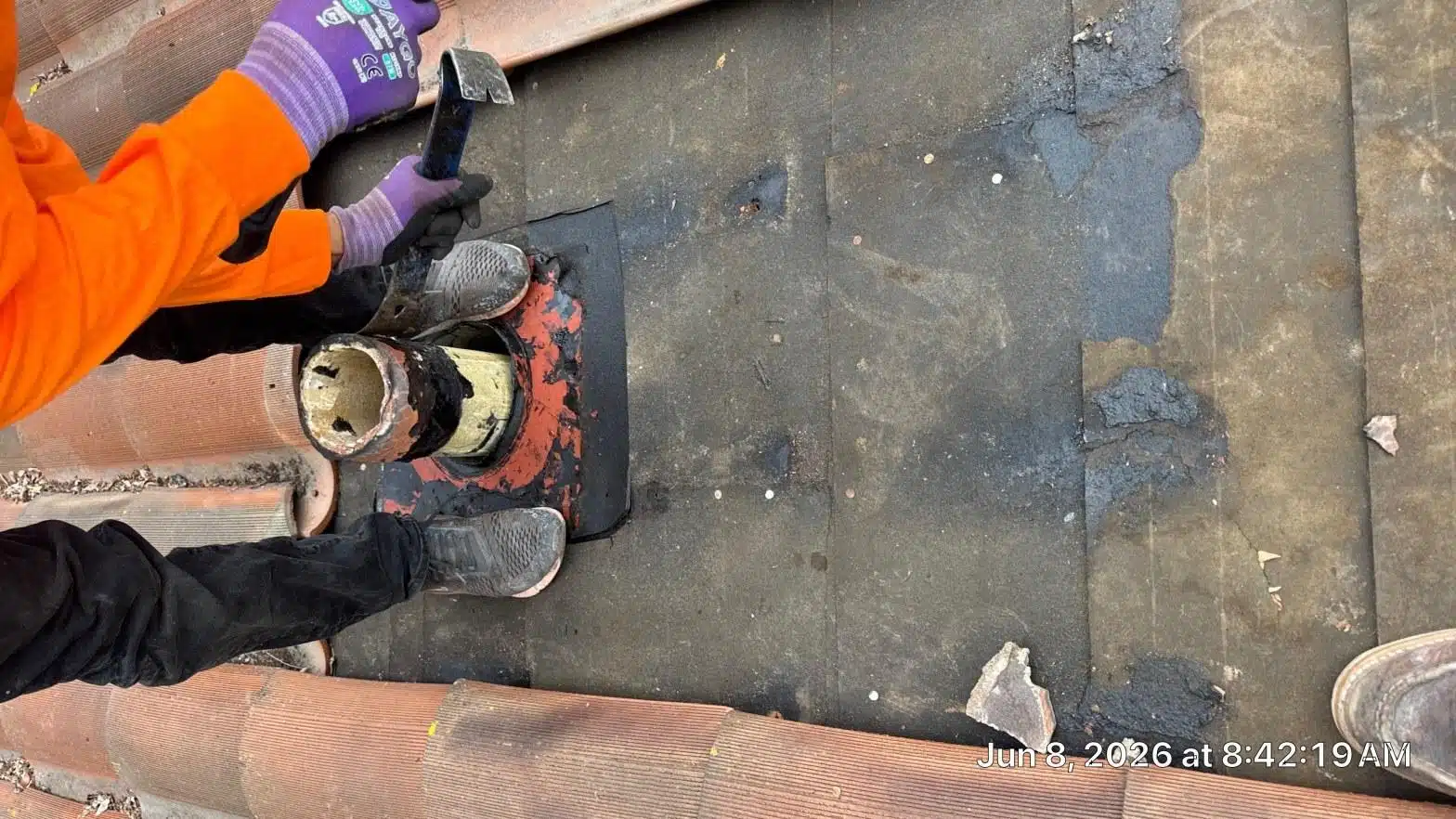
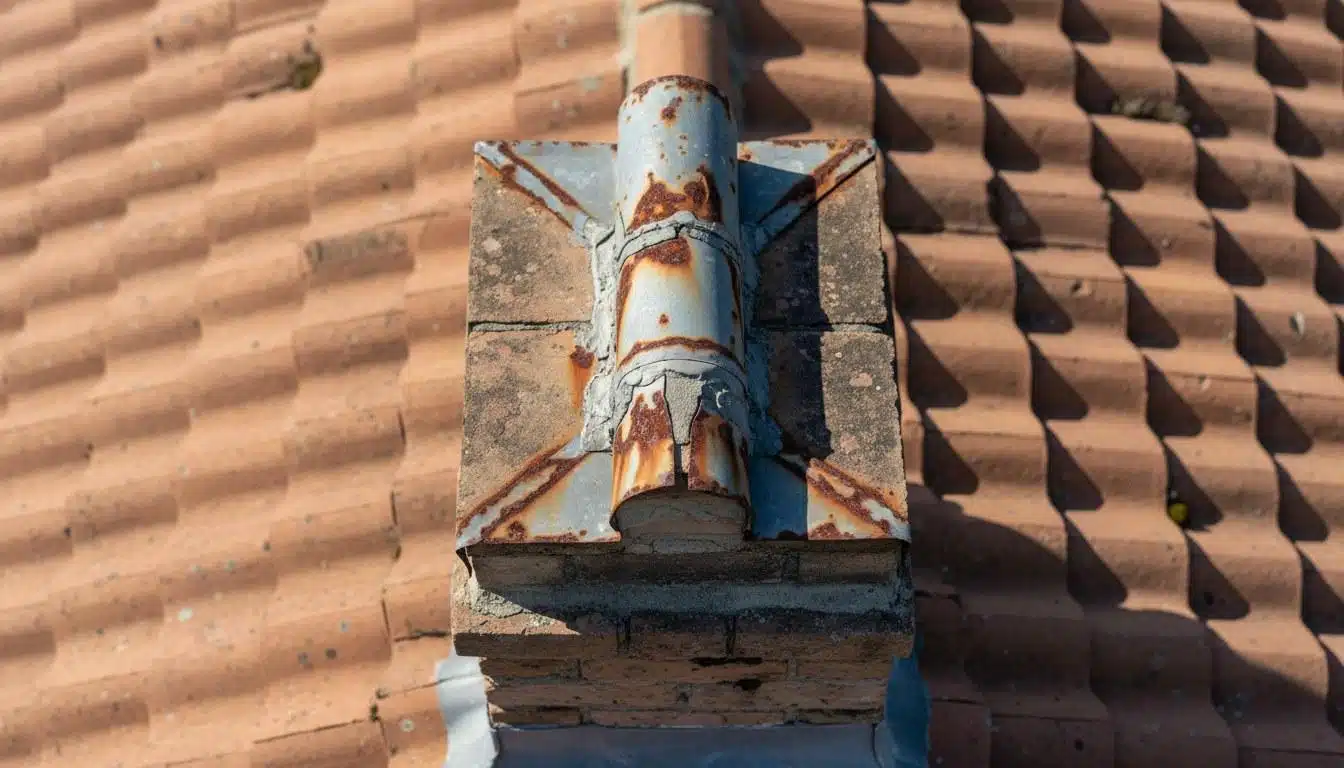
| Flashing repair or replacement | $300 to $1,200 | Remove old flashing around chimney, vents, or valleys; install new metal flashing and seal |
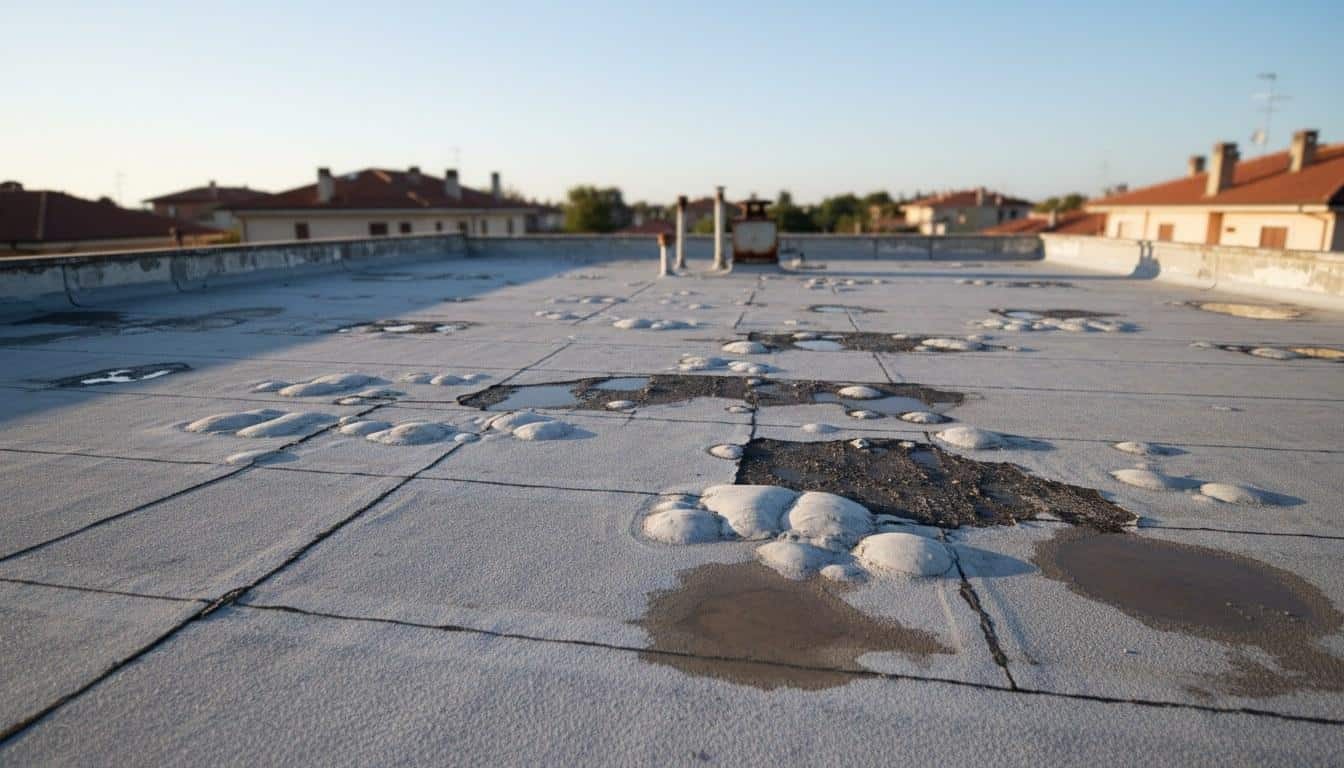
| Flat roof membrane repair | $500 to $2,500 | Patch or re-coat damaged membrane section, address blistering or ponding areas |
| Structural decking repair (water damage) | $1,500 to $5,000+ | Remove roofing material, replace rotted or damaged decking, reinstall roofing layer |
Our crews handle a high volume of flashing repairs each year, and we consistently find that roughly 60% of active leaks trace back to failed flashing rather than damaged shingles. Flashing around chimneys and skylights is the most common single point of failure we see across Southern California homes.
Roughly 60% of active leaks trace back to failed flashing rather than damaged shingles.
What Is NOT Included in a Standard Roof Repair Quote?
Most basic repair quotes cover only the visible, identified damage. Several common add-ons can increase the final cost by 20% to 40% if they are discovered during the job. Knowing what to ask about upfront prevents budget surprises.
- Decking replacement: If water damage has spread into the plywood or OSB sheathing beneath the surface layer, replacing that material is almost always a separate line item.
- Permit fees: Some contractors include permit costs; others list them separately. Always confirm before signing.
- Gutter repair or replacement: Damaged gutters are often found during a roof inspection but are typically quoted separately.
- Mold or rot remediation: If moisture has been present for months, mold treatment or structural wood replacement may be required before the roof repair can be completed.
- Interior damage repair: Water stains, damaged drywall, or insulation replacement inside the home are almost never included in a roofing quote and require a separate contractor.
- Skylight or chimney work: If the repair involves resealing or replacing a skylight or chimney cap, that is usually a separate scope of work with its own pricing.
How Do You Know If Your Roof Needs Repair or Full Replacement?
A roof under 15 years old with localized damage almost always makes more financial sense to repair than replace. A roof over 20 to 25 years old with widespread wear is usually a better candidate for full replacement, even if only one area is actively leaking. The decision comes down to the age of the roof, the percentage of the surface affected, and the underlying condition of the decking and underlayment.
A roof under 15 years old with localized damage almost always makes more financial sense to repair than replace.
As of 2026, ENERGY STAR-rated roofing products are available for both repair patches and full re-roofs, and choosing a cool-roof-rated material during a repair can improve energy performance without requiring a full replacement. California’s Title 24 building energy standards also set minimum solar reflectance requirements for certain low-slope roofing systems, which can affect material choices on flat or low-pitch roofs.
Watch for these warning signs that suggest more than a simple patch is needed:
- Granule loss in gutters: Heavy granule buildup in downspouts means shingles are near the end of their service life, typically 20 to 30 years for standard 3-tab asphalt.
- Sagging roof deck: Any visible dip or sag in the roofline points to structural damage that a surface patch will not fix.
- Multiple leak points: Two or more separate active leaks in different roof zones usually indicate systemic failure rather than isolated damage.
- Daylight visible in attic: Light entering through the roof deck means gaps are large enough that repair scope has grown beyond a minor fix.
- Repeated repairs within 3 to 5 years: If the same roof has needed patches every year or two, the underlying material is likely failing across a broader area.
How to Get an Accurate Roof Repair Quote
The most accurate quotes come from contractors who physically inspect the roof before pricing the job. Phone or online estimates without an inspection are ballpark figures only and often miss hidden damage. To get a quote you can actually rely on, have the following information ready before the contractor arrives.
- Roof age and material: If you know when the roof was installed and what material it is (asphalt, tile, metal, flat membrane), share that upfront. It helps the contractor prepare the right tools and materials.
- Photos of visible damage: Take photos of any stains, missing shingles, or damaged areas before the appointment. Interior ceiling stains are especially useful for tracing leak paths.
- History of past repairs: Let the contractor know if the area has been patched before. Prior repairs can affect how new material bonds and whether a larger section needs to come up.
- Insurance documentation: If the damage resulted from a storm or sudden event, have your homeowner’s insurance claim number ready. Many contractors in California work directly with insurance adjusters.
- Access and scheduling constraints: Note any access restrictions (locked gates, dogs, fragile landscaping below the roofline) so the crew can plan accordingly.
Always verify that any contractor you hire is licensed by the California Contractors State License Board (CSLB). Roofing work in California requires a C-39 Roofing Contractor license. You can verify any contractor’s license status for free on the CSLB website. Hiring an unlicensed contractor can void your homeowner’s insurance coverage for the work performed.
Hiring an unlicensed contractor can void your homeowner's insurance coverage for the work performed.
When comparing quotes, look at more than the bottom line. A detailed written scope of work, a clear warranty on both labor and materials, and proof of liability insurance and workers’ compensation coverage are the three things that separate a reliable affordable roof repair contractor from a low-bid risk.
Get a Custom Roof Repair Quote
Market averages give you a useful frame of reference, but your actual roof repair cost depends entirely on what is happening on your specific roof. Damage that looks minor from the ground can involve compromised decking or failed underlayment that only a hands-on inspection will reveal.
Roof Repair & Construction Inc. serves homeowners across the Southern California with licensed, insured roofing repair services on all roof types. Whether you have a slow leak, storm damage, or a flat roof showing signs of wear, a written quote with a clear scope of work is the right first step. Call (323) 474-1088 to schedule your inspection and get a quote based on your actual roof, not a regional average.
Frequently Asked Questions
How much does roof repair usually cost in Los Angeles?
Roof repair cost in the Los Angeles market typically ranges from $300 to $3,000 for most common repairs. Smaller jobs like patching a single leak or replacing a few shingles fall in the $300 to $700 range, while larger repairs involving flashing, decking, or flat roof membranes can reach $2,500 to $5,000 or more. Getting an on-site inspection from a licensed contractor is the only way to know your actual cost.
How do I know if my roof just needs a repair or a full replacement?
If your roof is under 15 years old and the damage is limited to one area, a repair almost always makes more sense than a full replacement. Roofs over 20 to 25 years old with widespread granule loss, sagging, or multiple leak points are usually better candidates for full replacement. A licensed roofing contractor can inspect the decking and underlayment to give you an honest assessment.
How do I repair a leaky roof from the inside temporarily?
A temporary fix from inside the attic involves locating the entry point of the leak, which is usually a few feet uphill from the interior stain, and applying roofing tape or a piece of plywood over the gap to redirect water. This is a short-term measure only and does not address the exterior source of the leak. You should schedule a professional exterior inspection as soon as possible to prevent the damage from spreading to the decking and insulation.
How long does a roof repair take to complete?
Most minor roof repairs, like patching a small leak or replacing a section of shingles, are completed in two to four hours. Larger repairs involving flashing replacement, decking work, or flat roof membrane patching can take one to two full days. Structural damage that requires removing and reinstalling a large section of roofing material may take two to three days depending on scope.
Does homeowner's insurance cover roof repair costs?
Homeowner's insurance typically covers roof repairs caused by sudden events like storms, hail, falling trees, or wind damage. Damage caused by gradual wear, lack of maintenance, or age is generally not covered. You will need to file a claim, have an adjuster assess the damage, and meet your deductible before insurance pays out. Many licensed roofing contractors in California can work directly with your insurance company to document the damage.