Choosing the best roof flashing company takes more than a Google search. This guide covers the key qualifications, materials, cost factors, and red flags to watch for before you sign a contract.
Need this done rather than diagnosed? See our roof flashing repair service, or browse all roofing services.
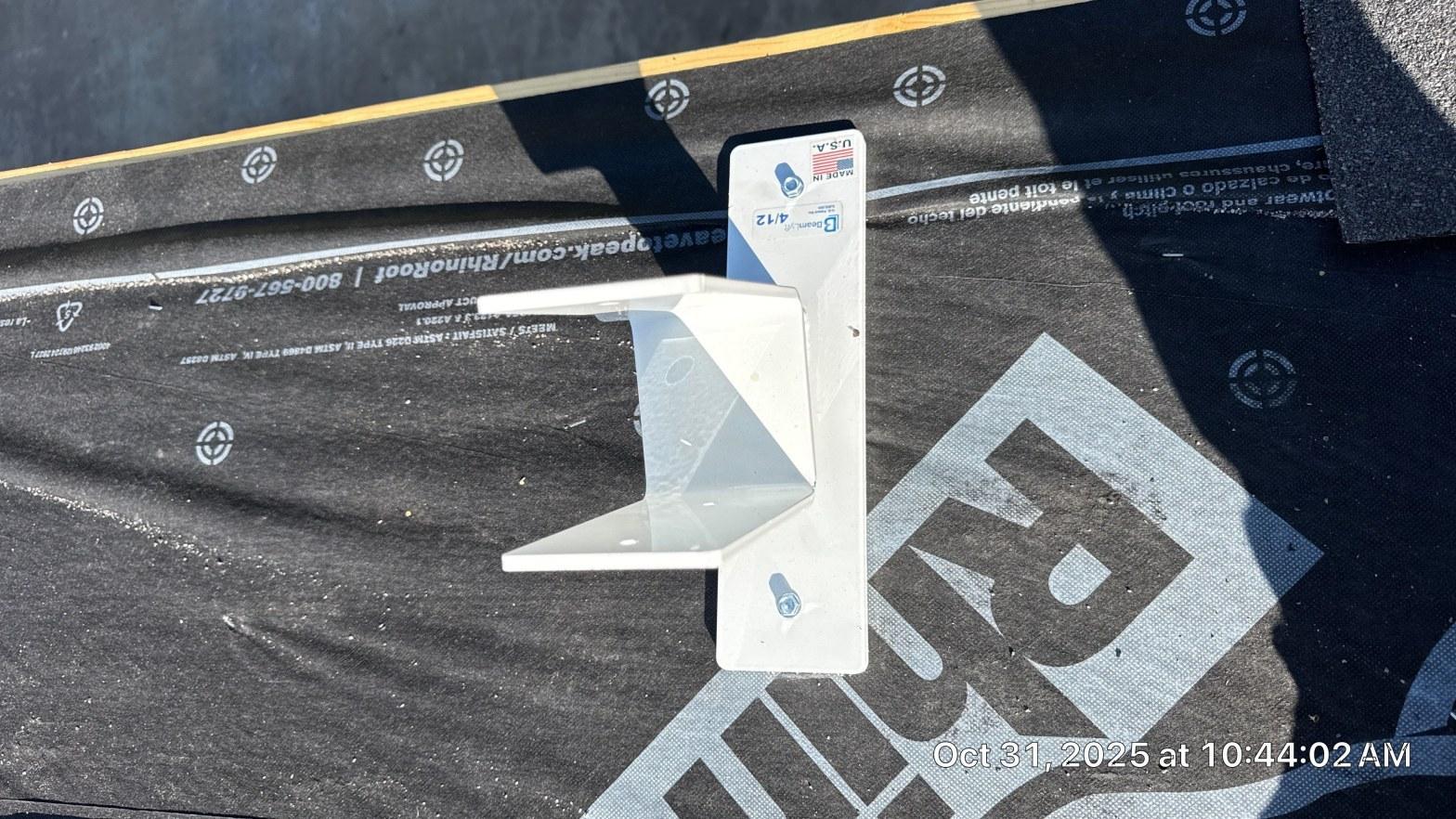
What Is Roof Flashing and Why Does It Fail?
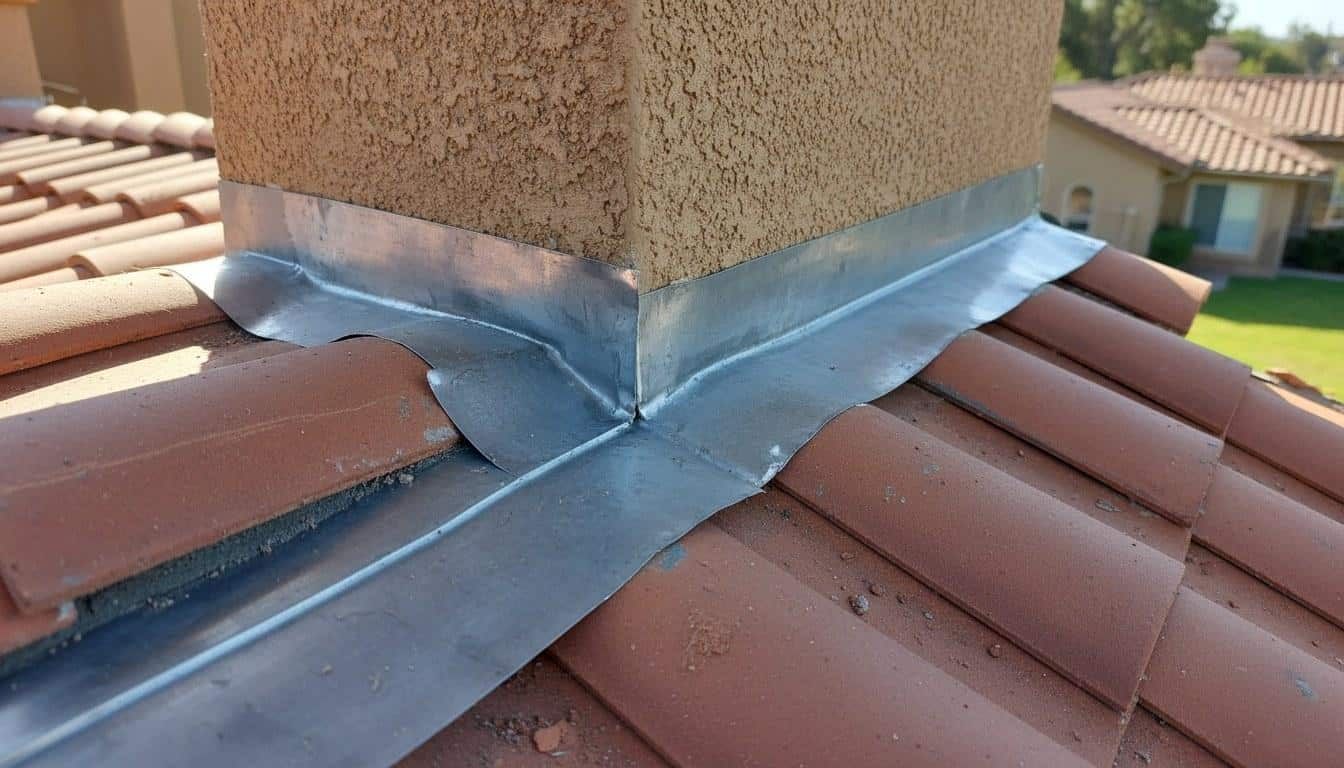
Roof flashing is thin metal sheeting installed at every joint, seam, and penetration on your roof, chimneys, skylights, vents, valleys, and walls, to redirect water away from those vulnerable spots. When it fails, water finds a direct path into your home’s structure. Most interior water damage traced to the roof starts at a flashing failure, not a missing shingle.
Flashing fails for three main reasons: improper installation, corrosion, and thermal movement. In Southern California, roofs expand and contract sharply between hot summer days and cool nights. Over time, that movement loosens sealants and pulls flashing away from the surfaces it’s supposed to seal. NOAA climate data shows that the Los Angeles basin regularly swings 30°F or more between daily high and low temperatures, enough to stress metal joints over a 5-to-10-year period.
Galvanic corrosion is a separate problem. When two dissimilar metals touch, say, aluminum flashing against copper gutters, an electrochemical reaction accelerates rust and pitting. A contractor who doesn’t account for metal compatibility is setting up a failure within a few years.
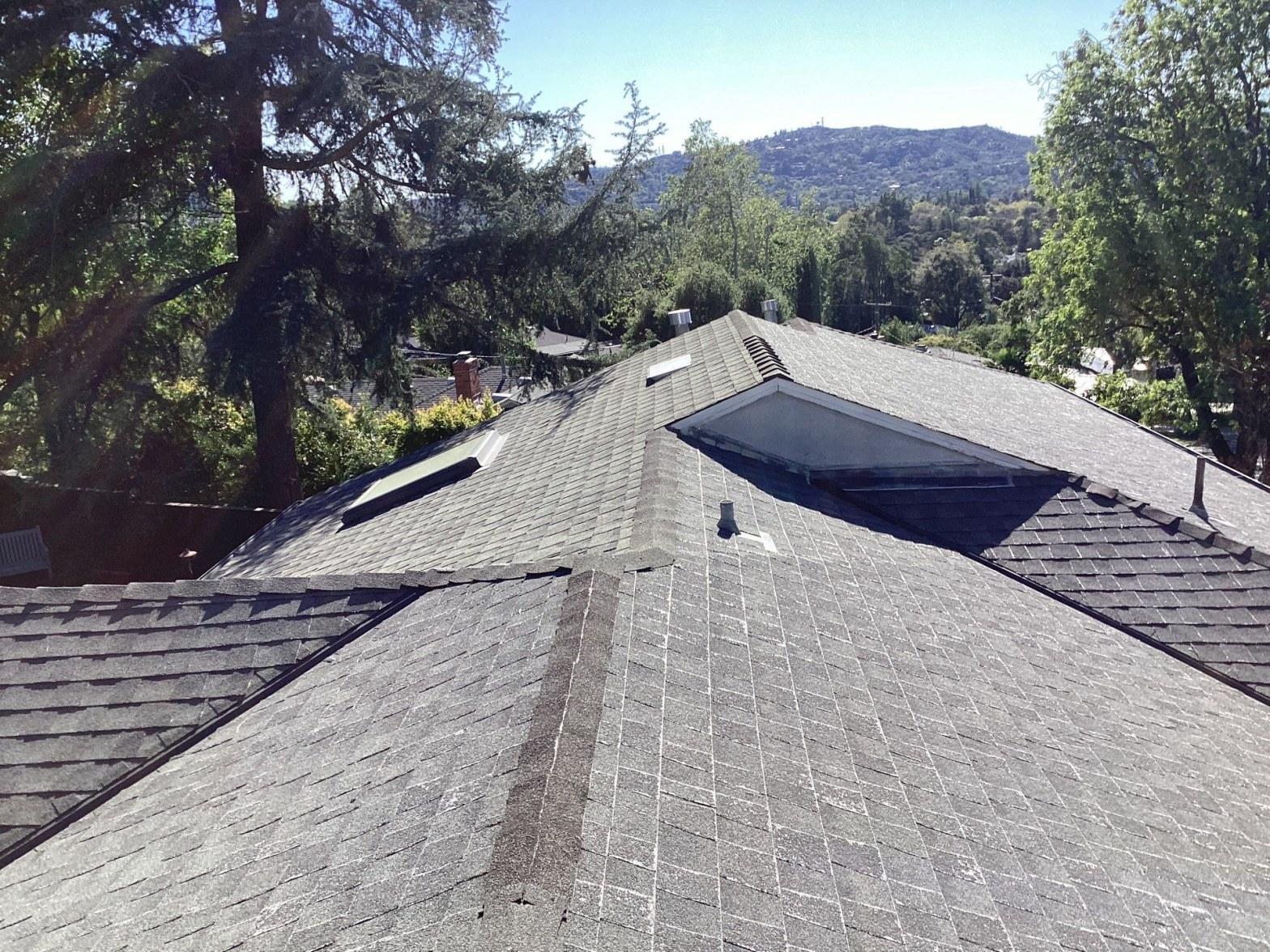
What Materials Does the Best Roof Flashing Company Use?
Galvanized steel, aluminum, copper, and lead-free alternatives are the four metals used in quality flashing installations. The right choice depends on your roof material, climate exposure, and budget. A contractor who installs only one type regardless of context is not giving you a tailored solution.
Here is how the main flashing metals compare:
| Material | Lifespan (Typical) | Best For | Key Advantage | Watch Out For |
|---|---|---|---|---|
| Galvanized Steel | 20-30 years | Most residential roofs | Strong, widely available, cost-effective | Can rust if coating is scratched |
| Aluminum | 20-25 years | Lightweight re-roofing projects | Rust-resistant, easy to shape | Reacts with concrete and masonry |
| Copper | 50-70 years | High-end or historic roofs | Extremely durable, self-sealing patina | Higher material cost; reacts with aluminum |
| Lead-Free Composite | 25-35 years | Eco-conscious projects, CA compliance | Flexible, no lead hazard | Fewer contractors stock it |
California’s building codes increasingly restrict the use of traditional lead flashing near water runoff areas, so roofing contractors in California should be fluent in lead-free alternatives. If a contractor can’t explain why they chose a specific metal for your project, that’s a warning sign.
Our crew replaces flashing on roughly 60 to 80 roofs per year across the region, and galvanized steel with a factory-applied zinc coating consistently outperforms bare aluminum on south-facing slopes that take direct sun for 8 or more hours daily.
Galvanized steel with a factory-applied zinc coating consistently outperforms bare aluminum on south-facing slopes that take direct sun for 8 or more hours daily.
How Do You Qualify a Roof Flashing Contractor Before Hiring?
The single most important credential is an active California Contractors State License Board (CSLB) license in the C-39 (Roofing) classification. Without it, any contract over $500 is illegal in California, and you have no recourse if the work fails. You can verify any contractor’s license in seconds at cslb.ca.gov.
Beyond the license, ask these questions before signing anything:
- Do you carry general liability and workers’ comp insurance? Get the certificate number and call the insurer to confirm it’s active, not expired.
- What flashing warranty do you offer? Quality contractors provide at least a 2-year labor warranty on flashing work, separate from the manufacturer’s material warranty.
- Will you provide a written, itemized scope of work? Vague contracts protect only the contractor.
- How do you handle metal compatibility? This question alone separates experienced roofers from generalists.
- Can you show photos of comparable flashing jobs? Chimney flashing, valley flashing, and skylight flashing each require different techniques.
For a broader framework on vetting contractors, our detailed resource on how to choose the best roof flashing company covers the full qualification checklist. This guide focuses on the specific buying decision, what to compare once you have a shortlist of candidates.
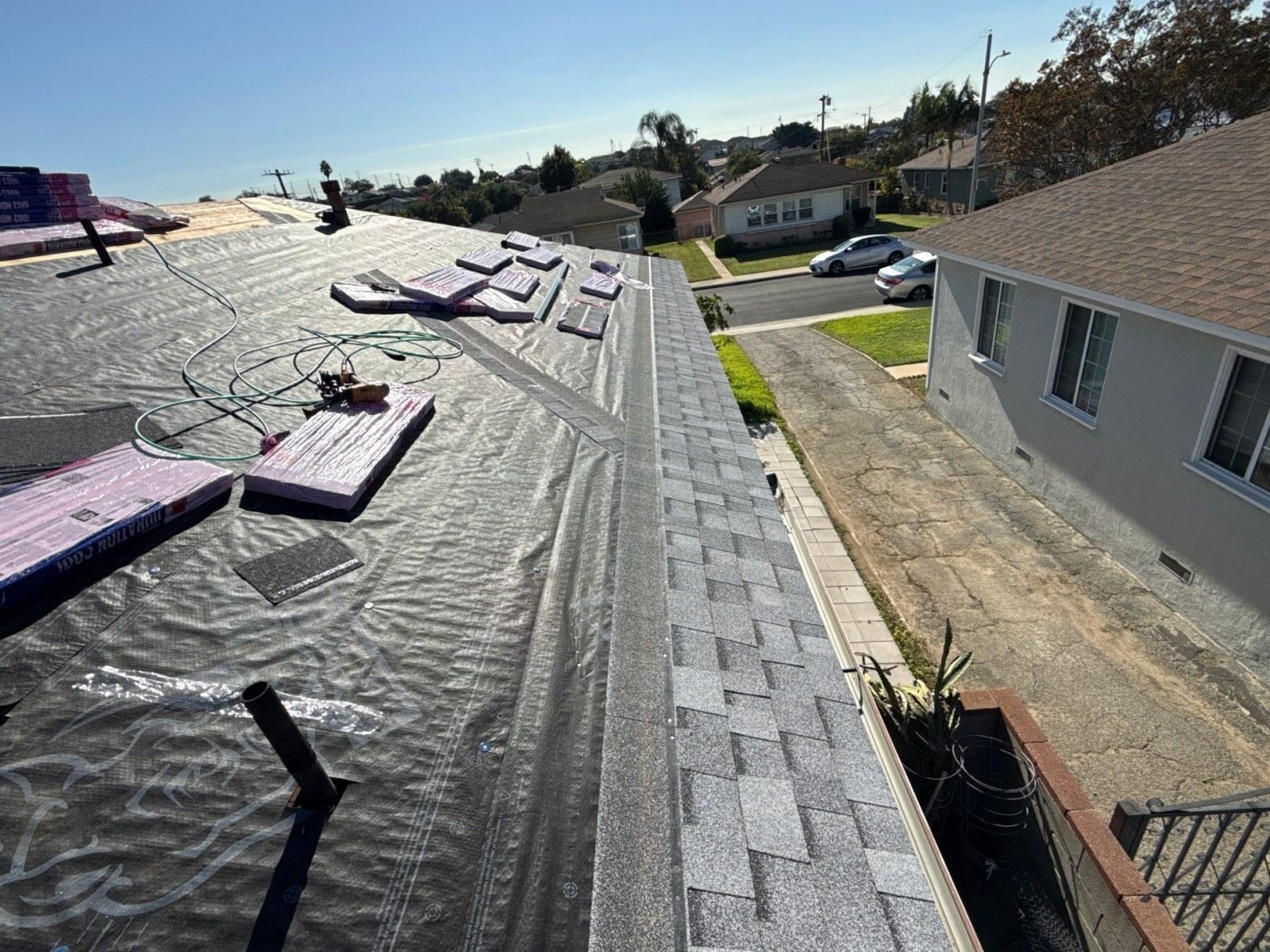
What Does Roof Flashing Repair or Replacement Cost in California?
Roof flashing repair in the California regional market typically ranges from $200 to $500 for a small isolated repair, while a full flashing replacement around a chimney or skylight generally runs $400 to $1,200 depending on scope and material. Complete valley flashing replacement on a larger roof can reach $1,500 to $3,000.
The factors that push costs toward the higher end include:
- Roof pitch: Steeper roofs (above 6:12 pitch) require safety equipment and take longer to work on safely.
- Flashing type: Copper costs 3 to 4 times more than galvanized steel per linear foot of material.
- Underlying damage: If water has already rotted the sheathing beneath the flashing, wood repair adds $300 to $800 or more to the job.
- Access difficulty: Multi-story homes or roofs with complex geometry (multiple valleys, dormers, skylights) add labor hours.
- Permit requirements: Some jurisdictions in Los Angeles County require a permit for structural roof work; factor in $50 to $200 for permit fees where applicable.
Affordable roof repair doesn’t mean the cheapest bid. A flashing job done at a low price with the wrong metal or improper overlap will need to be redone within 3 to 5 years, costing more in total than a quality installation done once. Always request a written, itemized quote so you can compare what’s actually included, not just the bottom-line number.
A flashing job done at a low price with the wrong metal or improper overlap will need to be redone within 3 to 5 years, costing more in total than a quality installation done once.
Homeowners should also ask whether any portion of the work qualifies for the Inflation Reduction Act federal tax credit if the flashing is part of a broader energy-efficient roofing upgrade. In some cases, reflective roofing materials installed alongside new flashing may qualify.
Which Type of Flashing Does Your Roof Actually Need?
The type of flashing your roof needs is determined by where water is most likely to enter, not by a one-size-fits-all formula. Most residential roofs in California require at least three or four distinct flashing types installed correctly and in coordination with each other.
Here are the most common types and where they apply:
- Step flashing: Installed piece by piece along the intersection of a sloped roof and a vertical wall, like a dormer or chimney side. Each piece overlaps the one below it, like shingles.
- Counter flashing: Embedded into masonry above step flashing to cap it and prevent water from getting behind the step pieces. Chimney repairs almost always need both.
- Valley flashing: Runs along the V-shaped channel where two roof planes meet. Open-valley metal flashing is the most durable option and is required by California’s Title 24 building energy standards in certain configurations.
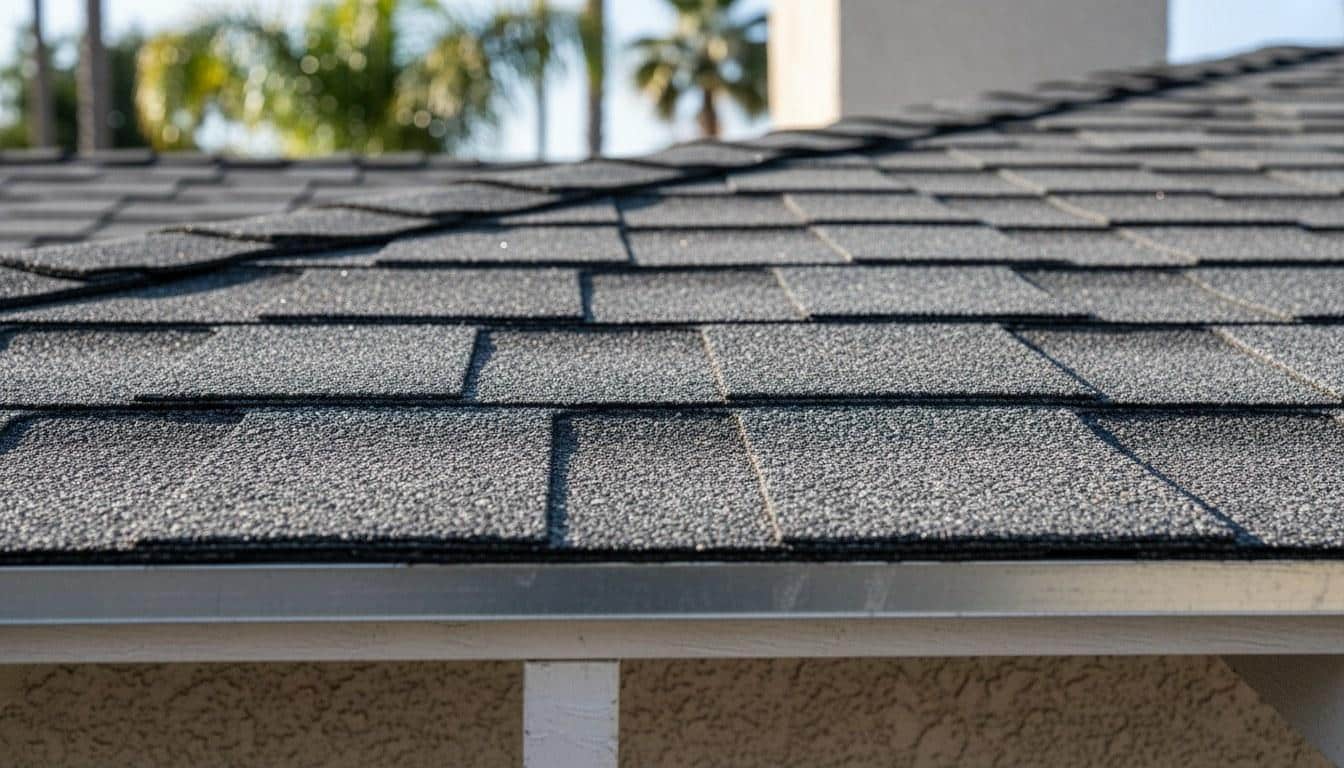
- Drip edge: Installed at the eave and rake edges to direct water into the gutter and away from the fascia. Many older homes in Southern California are missing this entirely.
- Pipe boot flashing: Seals around plumbing vent stacks. Neoprene boots degrade in UV-heavy climates and typically need replacement every 10 to 15 years.
- Skylight flashing: A kit-based system that integrates with the skylight frame. Improper installation is the number-one cause of skylight leaks.
Across our service calls in Southern California, we see drip-edge omissions on roughly 1 in 3 homes built before 1990, a gap that quietly rots fascia boards over years before any visible interior leak appears.
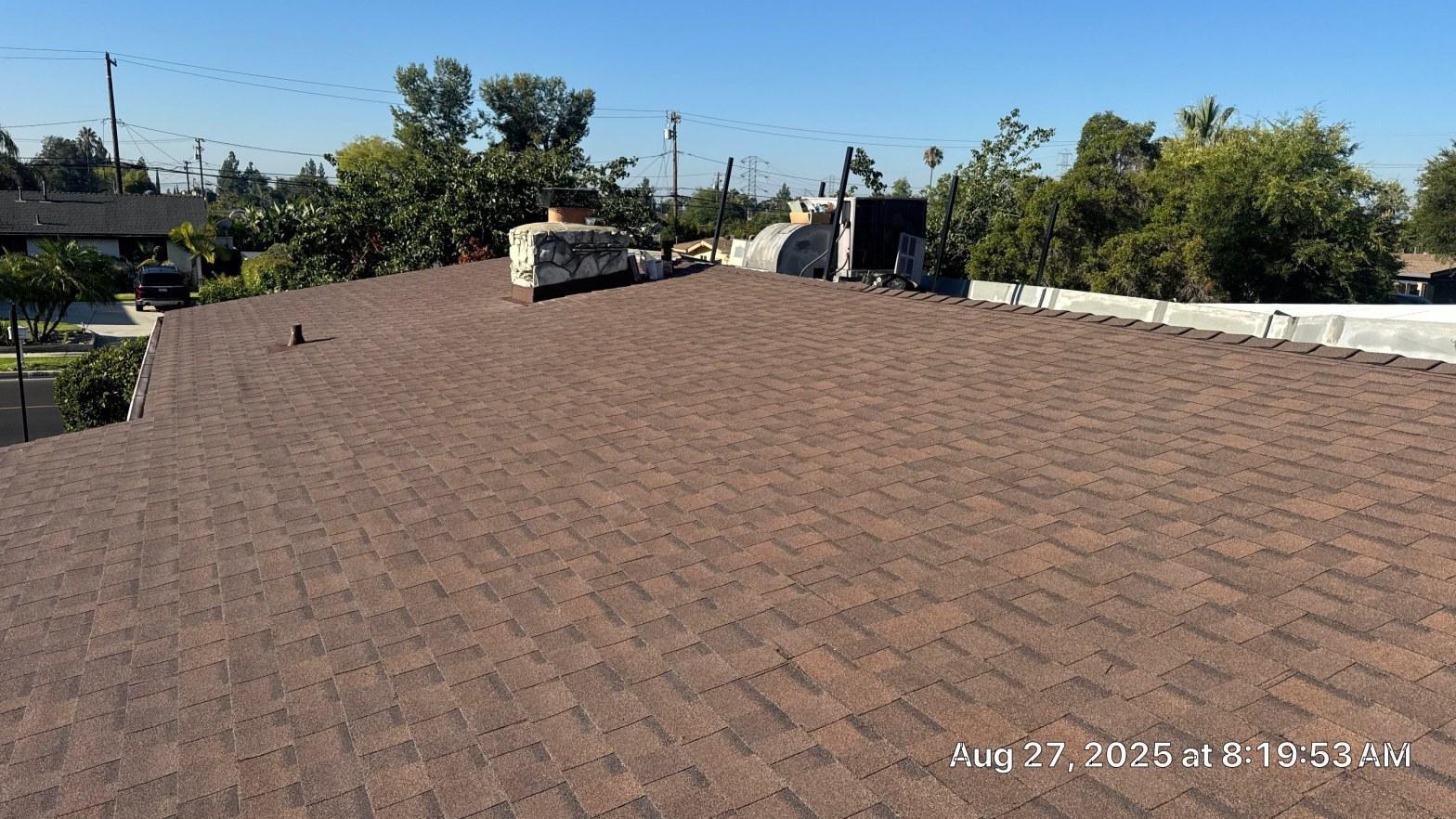
What Mistakes Should You Avoid When Hiring a Flashing Contractor?
The most costly mistake homeowners make is hiring a general handyman instead of a licensed roofing contractor for flashing work. Flashing installation requires knowledge of water-shedding principles, metal compatibility, and local building codes, skills that go beyond basic carpentry.
Avoid these specific pitfalls:
- Accepting a verbal estimate only: Without a written scope, there is no way to hold a contractor accountable for what was promised. Require line-item detail in writing before any work starts.
- Choosing the lowest bid without comparing scope: A $300 quote that covers only caulking is not comparable to a $700 quote that includes new metal and proper counter flashing. Compare what’s included, not just the price.
- Skipping the license check: Licensed by the California Contractors State License Board (CSLB) is a legal requirement for this work, not a marketing badge. Unlicensed contractors offer no consumer protection if the job goes wrong.
- Letting caulk substitute for metal: Sealant-only repairs on flashing joints fail within 2 to 4 years in California’s climate. Proper metal flashing is the only durable fix.
- Not asking about permits: Some flashing replacements tied to re-roofing require a permit under Los Angeles County building code. A contractor who discourages permits may be cutting other corners too.
- Ignoring the warranty terms: Make sure the labor warranty is in writing and specifies who is responsible, the contractor or a subcontractor, if a leak returns within the coverage period.
- Hiring before checking reviews and references: Look for contractors with at least 10 verifiable reviews and ask for 2 to 3 references from similar flashing jobs completed in the past 12 months.
Get Expert Roof Flashing Help Across Southern California
Finding the best roof flashing company means looking past the first search result and asking the right questions. Use the criteria in this guide, CSLB license, written warranty, correct metal selection, and itemized scope, to evaluate any contractor you’re considering.
Roof Repair & Construction Inc. provides licensed roof flashing repair and replacement for homeowners across Southern California. Whether you need a single pipe boot replaced or a full chimney flashing system rebuilt, the team brings the material knowledge and code familiarity to do the job right the first time. For affordable roof repair backed by a written warranty, call (323) 474-1088 to request a custom quote. Roof Repair & Construction Inc. serves homeowners throughout the region, schedule your inspection today.
Frequently Asked Questions
How do you apply roof flashing around a chimney?
Chimney flashing is installed in two layers: step flashing woven between the shingles along the chimney sides, and counter flashing embedded into the mortar joints above it. The two layers overlap so water can never travel upward behind the metal. This is not a DIY-friendly repair, improper overlap is the most common cause of chimney leaks, and a licensed roofing contractor should handle it.
How do you put flashing on a roof valley?
Valley flashing is laid into the V-shaped channel where two roof planes meet before the shingles are installed. The metal runs the full length of the valley, with shingles trimmed and overlapping the edges by at least 3 to 4 inches. Open-metal valleys are the most durable method and are preferred by most roofing contractors in California for their long-term water-shedding performance.
How long does roof flashing last before it needs to be replaced?
Galvanized steel and aluminum flashing typically lasts 20 to 30 years when properly installed. Copper flashing can last 50 years or more. Neoprene pipe boots, however, degrade faster in UV-heavy climates and often need replacement every 10 to 15 years. If your home is more than 20 years old and has never had the flashing inspected, a professional evaluation is a smart preventive step.
Can I just use caulk instead of replacing roof flashing?
Caulk can serve as a temporary patch, but it is not a permanent fix. Most sealants break down within 2 to 4 years under California's temperature swings and UV exposure. Once caulk cracks or pulls away, the gap it was covering is exposed again, often worse than before. Proper metal flashing is the only durable long-term solution.
How much does it cost to repair roof flashing in California?
In the California regional market, small isolated flashing repairs typically range from $200 to $500. A full chimney or skylight flashing replacement generally runs $400 to $1,200 depending on the metal used and the complexity of the work. If water has already damaged the underlying sheathing, wood repair can add another $300 to $800 or more. Request a written, itemized quote from a licensed contractor before committing to any price.