Serving Hollywood

Roof Flashing in Hollywood

Roof flashing in Hollywood addresses one of the most common, and most overlooked, sources of water intrusion across this densely layered community. From the steep canyon lots of Beachwood Canyon and Whitley Heights to the flat-roof courtyard buildings of East Hollywood and Little Armenia, the neighborhood's housing stock spans nearly a century of construction, and aging or improperly installed flashing is a recurring problem at every roof type. The Hollywood Hills and Hollywood Hills West add another dimension: hillside homes with complex rooflines, multiple roof planes, and chimney stacks that all create flashing-intensive transitions. Landmarks like the Hollywood Sign sit above a terrain that channels significant rainfall runoff down toward the residential streets below, and homes in Cahuenga Pass and Franklin Hills feel that drainage pressure directly. Roof Repair & Construction Inc. works across Hollywood's zip codes, 90028, 90038, 90046, 90068, 90004, and 90029, handling flashing repair and replacement as part of both targeted leak repairs and full re-roofs, with all work permitted through the City of Los Angeles's building department.

Where Hollywood Roofs Leak First — Hollywood — Roof Repair & Construction Inc.

The short answer

Roof flashing in Hollywood is critical for the neighborhood's mix of hillside homes in Beachwood Canyon and Hollywood Hills and the older flat-roof bungalows of East Hollywood and Little Armenia. Flashing seals chimneys, skylights, parapet walls, and roof-to-wall transitions, the points where most Hollywood roofs first leak. Call (323) 474-1088.

See our full Roof Flashing services ›

Flashing Hollywood Hills' Steep-Lot Homes — Hollywood — Roof Repair & Construction Inc.
Hollywood Flashing Failure Points

Where Hollywood Roofs Leak First

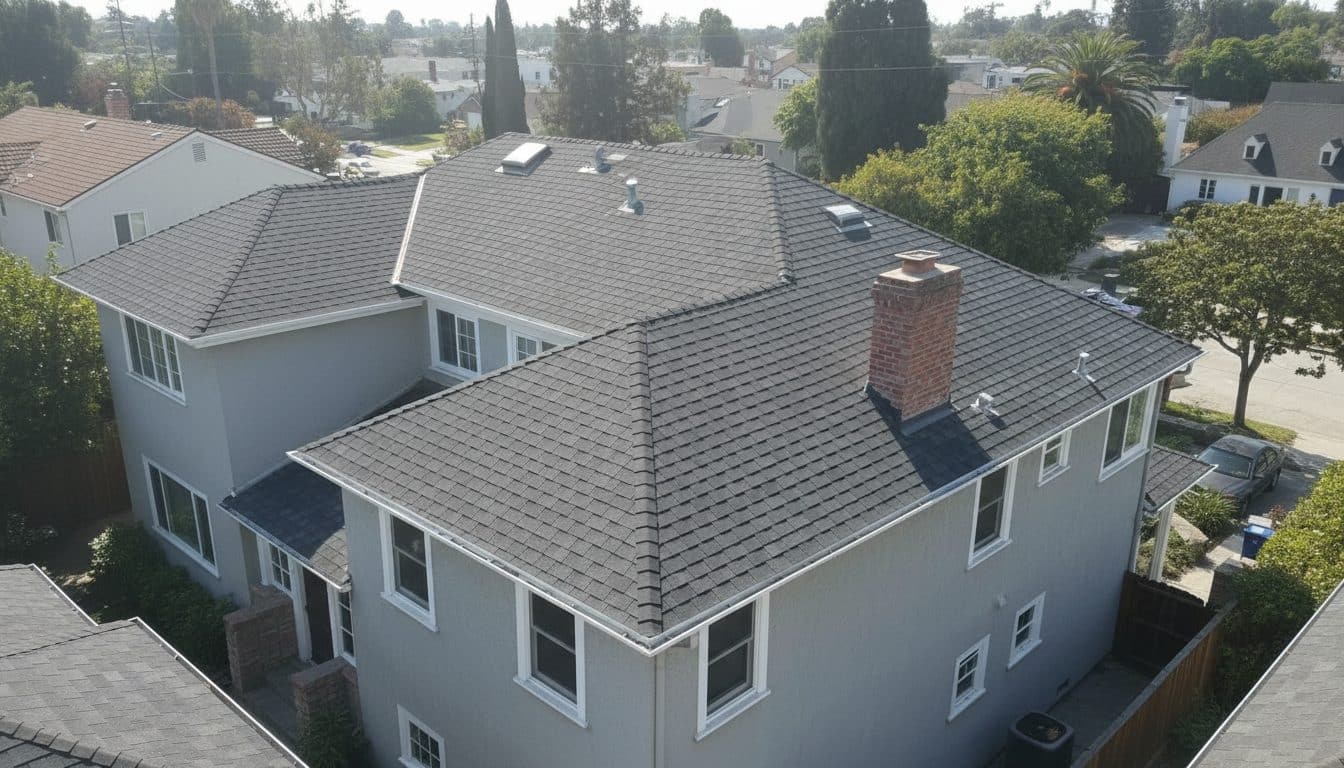
In Hollywood's older housing stock, bungalows and Spanish-style homes built from the 1920s through the 1950s in neighborhoods like Spaulding Square and Franklin Hills, the flashing at chimneys, skylights, and roof-to-wall transitions is often the original material, long past its useful life. Step flashing along dormers, counter-flashing at masonry chimneys, and valley flashing where two roof planes meet are the points that fail first, especially after years of Los Angeles's dry-wet seasonal cycle that expands and contracts metal repeatedly.

  • Chimney step flashing and counter-flashing on older masonry stacks
  • Skylight curb flashing, common on Hollywood Hills additions
  • Valley flashing where multiple roof planes intersect on hillside homes
  • Roof-to-wall flashing at second-story additions and dormers
  • Parapet wall cap flashing on flat-roof courtyard buildings
  • Vent pipe and HVAC curb flashing on low-slope commercial roofs
Free Estimate · No Obligation

What Will Your Roof Cost?

Tell us about your Hollywood roof and we will send a free, itemized estimate before any work begins.

Get My Free Estimate ›

Hillside Homes & Complex Rooflines

Flashing Hollywood Hills' Steep-Lot Homes

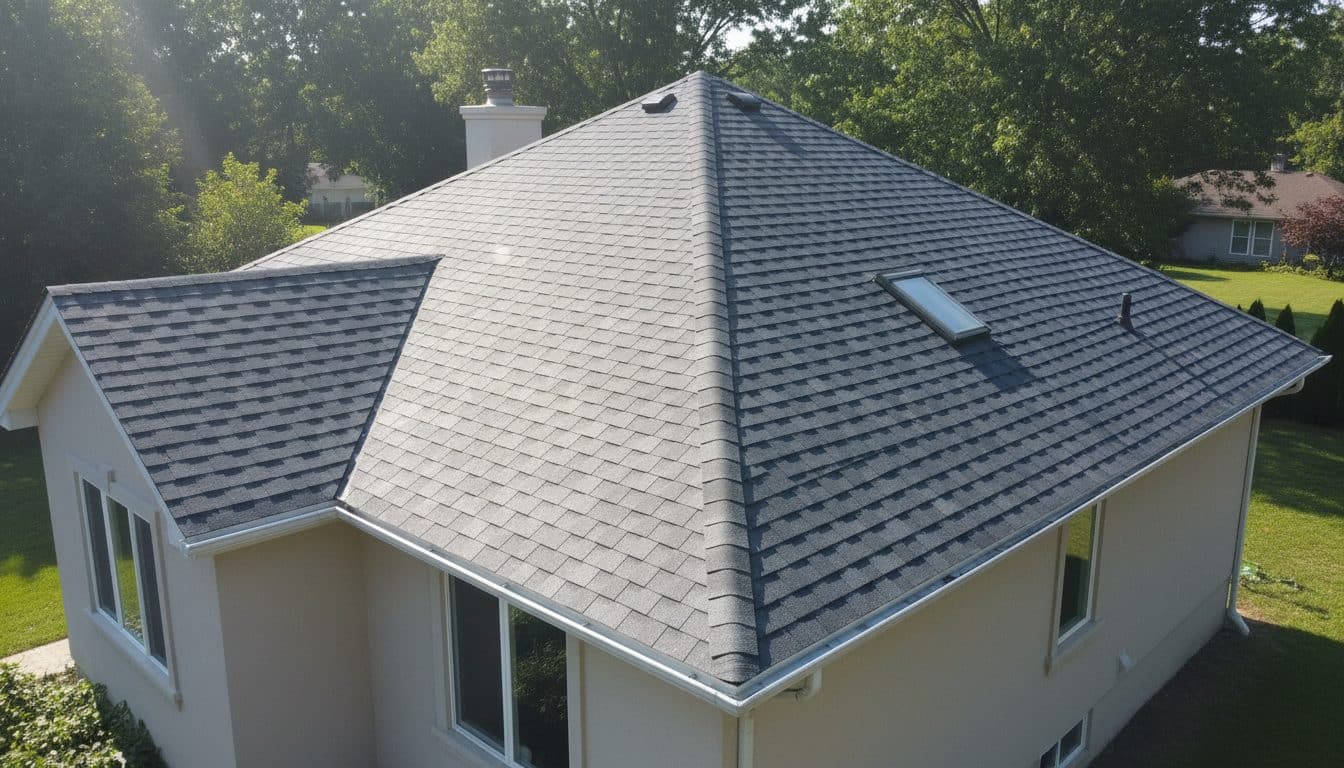
Homes in Hollywood Hills, Hollywood Hills West, and Beachwood Canyon sit on lots that channel runoff directly toward roof penetrations and wall junctions, making properly lapped and sealed flashing more consequential than on a flat valley lot. Roof Repair & Construction Inc. addresses these conditions with metal flashing sized and lapped for the pitch and exposure of each specific roofline, integrated with synthetic underlayment where a full re-roof is underway. Call (323) 474-1088 to schedule an assessment on your hillside property.

Flashing Hollywood Hills' Steep-Lot Homes
Step and counter-flashing sized for steep-pitch roof sections
Kickout flashing at roof-to-wall transitions to redirect runoff
Integrated flashing with synthetic underlayment on re-roofs
Flashing at retaining wall and deck connections on hillside lots
Chimney flashing on canyon-area homes with masonry or prefab fireplaces
Inspection of existing flashing before any new roofing material is applied
Flat & Low-Slope Flashing

Parapet and Membrane Flashing in East Hollywood

The flat-roof courtyard apartments and mixed-use buildings of East Hollywood, Little Armenia, and Thai Town rely on parapet wall flashing, roof drain flashing, and membrane terminations to keep water out at the edges and penetrations of low-slope systems. When torch-down modified bitumen or TPO membranes are installed or repaired, the flashing details at parapets and penetrations are integrated into the membrane system, not treated as an afterthought. Reach out at (323) 474-1088 to discuss your flat-roof flashing needs.

Parapet and Membrane Flashing
Parapet cap and coping flashing on flat-roof apartment buildings
Membrane termination bars and edge metal on TPO systems
Roof drain and scupper flashing on low-slope roofs
HVAC curb flashing integrated with torch-down or TPO membrane
Flashing at rooftop access hatches and mechanical equipment
Inspection of existing membrane-to-wall transitions for separation or lifting
Why Choose Us

Why Homeowners Choose
Roof Repair & Construction Inc.

From tile and shingle to flat and low-slope roofs, we handle every roof type in Hollywood, one licensed team for replacement, repair, coating, cool roofs, and tear-offs.

Hillside flashing for Hollywood Hills' complex rooflines
Flat-roof parapet and membrane flashing for East Hollywood buildings
City of LA permitted flashing work, license #1144009
Chimney, skylight, and valley flashing on older Hollywood homes
Serves all Hollywood zip codes: 90028, 90038, 90046, 90068, 90004, 90029
City of LA Permits & Process

How Flashing Work Is Permitted in Hollywood

Hollywood is part of the City of Los Angeles, so building permits and inspections for roofing and flashing work go through the City of LA's building department, not a separate municipal authority. Whether a flashing repair is part of a full re-roof or a standalone scope, the permit requirement depends on the extent of work, and the City of LA is the authority on what applies to a specific property. Roof Repair & Construction Inc. (license #1144009) handles the permit process as part of the project. Call (323) 474-1088 with questions about your specific address.

How Flashing Work Is Permitted
All permits filed through the City of Los Angeles building department
Inspections coordinated with City of LA for permitted re-roof scopes
Title 24 cool-roof requirements addressed when re-roofing triggers compliance
Permit scope determined by extent of work, ask about your specific project
License #1144009 on file with the California Contractors State License Board
Work documented for homeowner records and future resale disclosure
Starting Your Flashing Repair

Getting a Flashing Assessment in Hollywood

Because flashing failures often show up as interior water stains well after the actual breach occurred, a proper assessment traces the leak back to its source, not just the visible damage on the ceiling. Roof Repair & Construction Inc. evaluates the condition of existing flashing at chimneys, skylights, valleys, and wall junctions across Hollywood properties, from the older craftsman homes of Whitley Heights to the hillside contemporaries above Cahuenga Pass. Call (323) 474-1088 to schedule your assessment.

Ready to get started in Hollywood?

Call for a free, no-pressure estimate.

Service Area

Hollywood Service Area

Roof Repair & Construction Inc. provides Roof Flashing throughout Hollywood. Service areas include Hollywood Hills, Hollywood Hills West, East Hollywood, Little Armenia, Thai Town, Spaulding Square, Whitley Heights, Beachwood Canyon, Franklin Hills, Los Feliz (bordering) and Cahuenga Pass. We also serve nearby West Hollywood, Los Angeles, Burbank, Glendale, Silver Lake and Los Feliz. The map below outlines the Hollywood area we cover.
Questions

Frequently Asked Questions

How much does roof flashing cost in Hollywood?
Flashing costs in Hollywood vary based on the scope, a single chimney re-flash is a different project than replacing all the valley and step flashing on a multi-plane Hollywood Hills roofline, or addressing parapet flashing on a flat-roof East Hollywood building. Material choice (galvanized steel, aluminum, or lead-coated copper) and whether the work is part of a full re-roof or a standalone repair also affect the total. Call (323) 474-1088 for a specific assessment and quote for your property.
What does a roof flashing repair in Hollywood typically include?
A flashing repair typically involves removing the damaged or failed flashing, inspecting the underlying decking and underlayment for water damage, installing new properly lapped metal flashing, and integrating it with the surrounding roofing material, shingles, torch-down membrane, or TPO. On Hollywood's older homes, that often means addressing corroded original metal and deteriorated sealant at chimneys or skylights. Call (323) 474-1088 to discuss what your specific roof needs.
How long does a flashing repair take on a Hollywood home?
A targeted flashing repair, say, re-flashing a single chimney or a skylight curb on a home in Beachwood Canyon or Franklin Hills, is typically a one-day scope. More extensive work, such as replacing all the step and valley flashing on a complex Hollywood Hills roofline as part of a re-roof, takes longer and is scoped as part of the full project. Call (323) 474-1088 and we can give you a realistic timeframe for your specific situation.
What flashing materials are used on Hollywood's older homes?
Galvanized steel and aluminum are the most common flashing metals used on Hollywood's residential roofs; they're compatible with composition shingle systems and hold up well in Los Angeles's climate. On flat-roof or low-slope sections common in East Hollywood and Little Armenia, flashing is often integrated with the membrane system itself using modified bitumen or TPO termination details. Lead-coated copper is occasionally specified for high-end or historically sensitive work. Call (323) 474-1088 to discuss the right material for your roof.
Does a flashing repair in Hollywood require a City of LA permit?
Hollywood falls under the City of Los Angeles building department, and whether a flashing repair requires a permit depends on the scope of the work. A full re-roof that includes new flashing typically requires a permit; a minor repair to an isolated flashing section may not. The City of LA is the authority on what applies to your specific address and project scope. Call (323) 474-1088 and we'll walk through the permit question for your property.
Can flashing on a Hollywood Hills home be repaired without replacing the whole roof?
Yes, flashing can often be repaired or replaced as a standalone scope without disturbing the rest of the roofing material, provided the surrounding shingles or membrane are in serviceable condition. On Hollywood Hills homes with complex rooflines, it's common to address a specific failure point, a chimney, a skylight, or a valley, without a full tear-off. An assessment will determine whether the surrounding material is sound enough to support a targeted repair. Call (323) 474-1088 to schedule one.
How does Hollywood's hillside terrain affect flashing requirements?
Steep-lot homes in Beachwood Canyon, Whitley Heights, and the Hollywood Hills experience faster and more concentrated roof runoff than homes on flat lots, which puts more stress on flashing at every transition point. Kickout flashing at roof-to-wall junctions is especially important on hillside homes to redirect water away from siding and framing. Proper lap dimensions and sealant integration matter more when water volume and velocity are higher. Call (323) 474-1088 to discuss your hillside property's flashing condition.
What's the difference between flashing a pitched-roof home and a flat-roof building in Hollywood?
On a pitched shingle roof, typical of the older craftsman and Spanish-style homes in Spaulding Square or Franklin Hills, flashing is installed as discrete metal pieces lapped with the shingles at chimneys, valleys, and wall junctions. On a flat or low-slope roof common in East Hollywood's courtyard buildings, flashing is integrated with the membrane system at parapets, drains, and penetrations, and the details are continuous rather than lapped. The two systems require different approaches and materials. Call (323) 474-1088 to discuss which applies to your property.