Serving Bell Canyon

Roof Flashing in Bell Canyon

Roof flashing in Bell Canyon is a precision trade on a terrain that demands it; this small, gated community of roughly 1,768 residents sits in a canyon setting near Castle Peak Trail and Bell Canyon Creek, where hillside pitches, mature oak canopy, and seasonal runoff concentrate water exactly where roofs are most vulnerable. With an owner-occupancy rate of nearly 98% and an average household size of 3.35, Bell Canyon homeowners have a strong stake in protecting properties that represent serious long-term investment. The housing stock here tends toward larger single-family homes built from the 1970s through the 1990s, many with complex rooflines, multiple valleys, chimneys, skylights, and roof-to-wall transitions, that multiply the number of flashing points that need to perform correctly. Because Bell Canyon is an unincorporated community in eastern Ventura County, permits and inspections are handled by Ventura County's building department, not LADBS or LA County. Roof Repair & Construction Inc. works within that jurisdiction and coordinates accordingly on any permitted scope.

Flashing Failure Points on Bell Canyon Homes — Bell Canyon — Roof Repair & Construction Inc.

The short answer

Roof Repair & Construction Inc. handles roof flashing in Bell Canyon for this small, nearly entirely owner-occupied gated community of about 1,768 residents in unincorporated Ventura County. Flashing work here commonly addresses chimneys, roof-to-wall transitions, and valley metal on hillside homes near Castle Peak Trail and Bell Canyon Creek. Call (323) 474-1088.

See our full Roof Flashing services ›

Flashing Options for Bell Canyon's Roof Types — Bell Canyon — Roof Repair & Construction Inc.
Where Bell Canyon Roofs Leak

Flashing Failure Points on Bell Canyon Homes

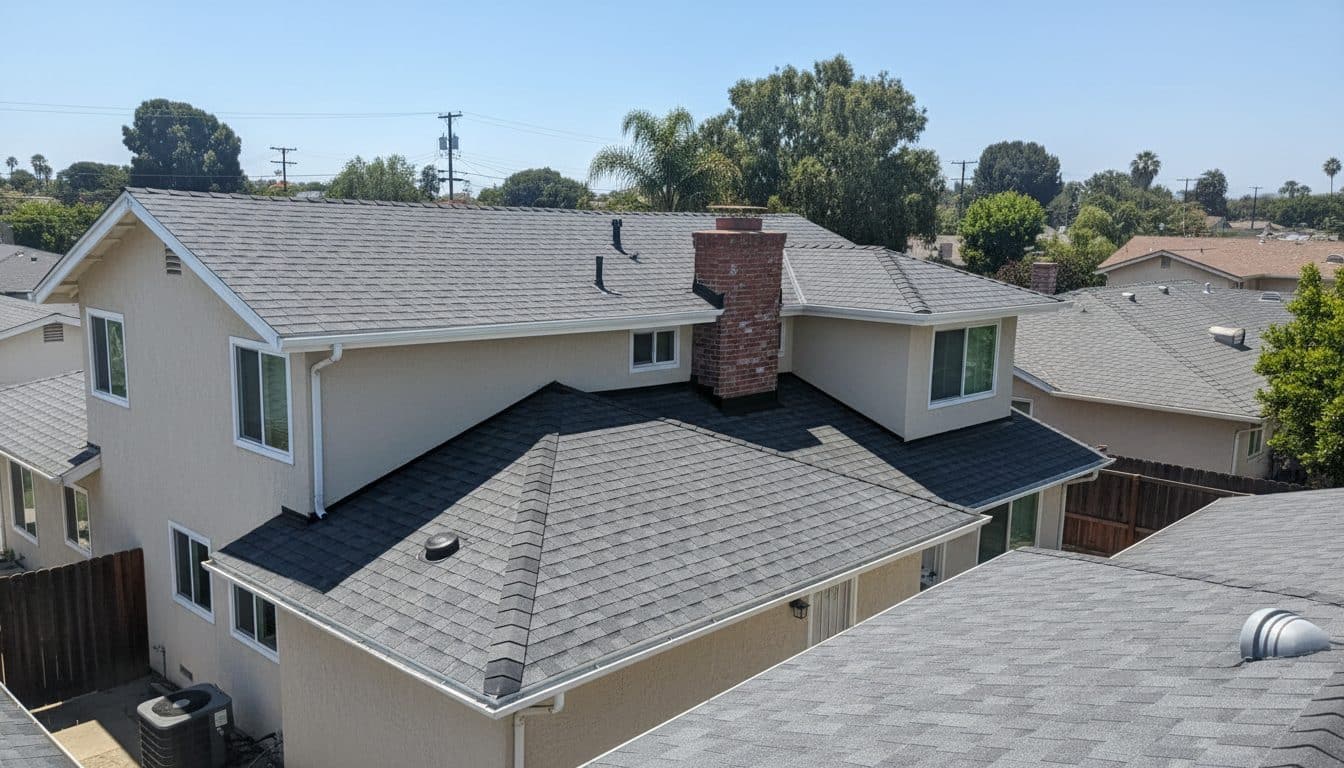
The canyon topography around Bell Canyon Creek and the Bell Creek Trailhead channels rainfall and runoff in concentrated patterns, and the hillside pitches common here accelerate water velocity across the roof surface. On homes with multiple dormers, chimneys, or skylights, typical of the larger single-family builds in this community, each penetration and transition is a potential leak point if the flashing metal has lifted, corroded, or was never properly integrated with the underlayment. Catching these failures early, before water reaches the decking, is the practical goal of a flashing inspection.

  • Chimney flashing, step flashing and counter-flashing at the masonry
  • Valley metal where two roof planes meet and shed combined runoff
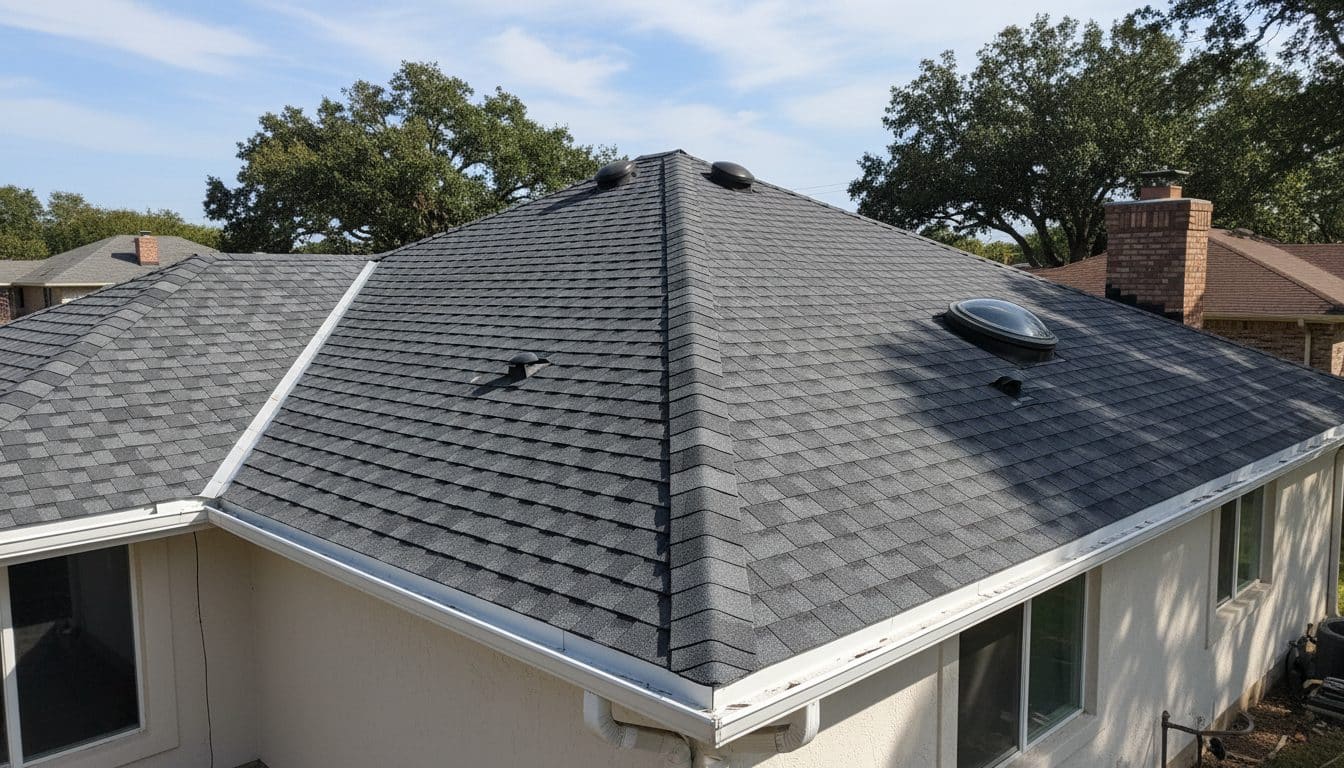
  • Skylight curb flashing on homes with multiple roof penetrations
  • Roof-to-wall transitions on dormers and second-story additions
  • Pipe boot and vent flashing around HVAC and plumbing penetrations
  • Drip edge and eave flashing where canyon moisture wicks under shingles
Free Estimate · No Obligation

What Will Your Roof Cost?

Tell us about your Bell Canyon roof and we will send a free, itemized estimate before any work begins.

Get My Free Estimate ›

Flashing Materials & Methods

Flashing Options for Bell Canyon's Roof Types

Homes built in the 1970s through 1990s, the dominant era in Bell Canyon, often have original galvanized steel or aluminum flashing that has reached the end of its serviceable life. Replacement material choices depend on the existing roof system: galvanized steel and aluminum are standard for composition shingle roofs, while torch-down and modified bitumen flat sections use integrated membrane flashing at transitions. Where a full re-roof is underway, new flashing is installed as part of that scope; on a repair-only call, we assess whether spot replacement or full-section re-flashing is the appropriate response.

Flashing
Galvanized steel step and counter-flashing for pitched shingle roofs
Aluminum valley metal sized to the roof's pitch and runoff volume
Membrane-integrated flashing for torch-down and TPO flat sections
Pipe boot replacements in EPDM or lead for lasting seals
Sealant and caulk as a secondary measure, never a primary fix
New synthetic underlayment integrated with flashing on full re-roofs
Ventura County Jurisdiction

Flashing Permits in Unincorporated Bell Canyon

Because Bell Canyon is an unincorporated community in eastern Ventura County, not part of any incorporated city, building permits and inspections for roofing work are administered by Ventura County's building department, not by LADBS or LA County. Whether a given flashing repair requires a permit depends on the scope; Ventura County is the authority on what triggers a permit for a specific property. Roof Repair & Construction Inc. works within this jurisdiction and can help clarify what the county will require before work begins. Call (323) 474-1088 to discuss your project.

Flashing Permits
Permits issued by Ventura County, not LA County or any city department
Inspections scheduled through Ventura County Building and Safety
HOA architectural review may apply within Bell Canyon's gated community
Scope of work determines whether a permit is required, county decides
We coordinate permit documentation as part of the project process
Proximity to Simi Valley and Thousand Oaks does not change jurisdiction
Why Choose Us

Why Homeowners Choose
Roof Repair & Construction Inc.

From tile and shingle to flat and low-slope roofs, we handle every roof type in Bell Canyon, one licensed team for replacement, repair, coating, cool roofs, and tear-offs.

Canyon-terrain flashing for complex hillside rooflines
Ventura County permit coordination for Bell Canyon work
Valley, chimney, skylight, and wall-transition flashing
Paired with full re-roofs or standalone repair scopes
Nearly 98% owner-occupied; we work directly with homeowners
Flashing & Full Roof Scopes

Combining Flashing Work with a Bell Canyon Re-Roof

On a home where the shingle field is also approaching end of life, addressing flashing as a standalone repair can be a short-term fix, new flashing installed under aging shingles may outlast the shingles themselves by only a few years. In those cases, coordinating the flashing replacement as part of a full tear-off and re-roof is typically more practical: the decking is exposed, any soft or damaged plywood can be replaced, new synthetic underlayment is laid, and all flashing is installed fresh before the new shingle or flat-roof system goes down. Call (323) 474-1088 to talk through whether your Bell Canyon home is a repair candidate or a full re-roof scope.

Serving Bell Canyon

Roof Flashing Service Near Castle Peak and Bell Canyon Creek

Bell Canyon's median age of 48.2 and its nearly all-owner-occupied character mean most homeowners here are managing properties they plan to hold long-term, which makes durable, correctly installed flashing a practical priority rather than a cosmetic one. Whether the project is a chimney re-flash on a home backing up to the Castle Peak Trail corridor, a valley repair on a larger hillside build near Bell Canyon Park, or a full flashing replacement tied to a re-roof, Roof Repair & Construction Inc. handles the work within Ventura County's permitting framework. Call (323) 474-1088 to schedule an assessment.

Ready to get started in Bell Canyon?

Call for a free, no-pressure estimate.

Service Area

Bell Canyon Service Area

Roof Repair & Construction Inc. provides Roof Flashing throughout Bell Canyon. Service areas include Bell Canyon (gated community, single unified community). We also serve nearby Simi Valley, Thousand Oaks, Moorpark, West Hills and Chatsworth. The map below outlines the Bell Canyon area we cover.

Questions

Frequently Asked Questions

How much does roof flashing cost in Bell Canyon?
Flashing costs in Bell Canyon vary based on the number of penetrations involved, the material selected, whether the existing shingles need to be lifted and re-laid, and whether the work is standalone or part of a larger re-roof scope. A chimney re-flash is a different scope than replacing all valley metal and pipe boots across a multi-dormer roofline. Because Bell Canyon homes tend to be larger with more complex rooflines, a thorough on-site assessment is the only reliable way to scope the work. Call (323) 474-1088 to arrange an estimate.
What does a roof flashing repair in Bell Canyon typically include?
A flashing repair typically involves removing the affected shingles or membrane material around the leak point, pulling out the old flashing, and installing new metal or membrane-integrated flashing properly lapped with the underlayment before the surface material goes back down. On a chimney, that means replacing both the step flashing courses and the counter-flashing embedded in the mortar joints. The scope depends on how many locations are failing and whether the underlayment beneath them has also been compromised. Call (323) 474-1088 to discuss what your Bell Canyon home needs.
How long does a flashing repair take on a Bell Canyon home?
A focused flashing repair, one chimney or a single valley section, can often be completed in a day once materials are on site and access to the roof is clear. Larger scopes involving multiple penetrations, or flashing work tied to a full re-roof, take longer and depend on the size and complexity of the roofline. Bell Canyon's hillside lots can also affect staging and access time. Call (323) 474-1088 for a realistic timeline based on your specific project.
Does my Bell Canyon home's HOA affect the flashing repair process?
Bell Canyon is a gated, deed-restricted community, and its homeowners association may have architectural guidelines that apply to visible roofing materials or colors, including metal flashing finishes in some cases. It is worth checking with the Bell Canyon HOA before committing to a material or color if the flashing will be visible from the street or common areas. Ventura County's building department handles the permit side independently of HOA review. Call (323) 474-1088 and we can help you think through the coordination.
Can flashing be repaired without tearing off the whole roof in Bell Canyon?
Yes, if the shingle field is otherwise in serviceable condition, flashing at a specific chimney, valley, or skylight can often be replaced without disturbing the rest of the roof. The surrounding shingles are carefully lifted, the old flashing is removed, new metal is installed and properly integrated with the underlayment, and the shingles are re-laid. If the shingles are brittle or near end of life, lifting them risks cracking, which is worth discussing before committing to a repair-only scope. Call (323) 474-1088 to talk through what makes sense for your home.
What flashing approach is used where a pitched roof meets a flat or low-slope section on a Bell Canyon home?
Where a pitched shingle section transitions to a flat or low-slope area, common on homes with additions or covered patios, the flashing detail has to bridge two different roofing systems. On the flat side, the transition is typically handled with membrane flashing integrated into the torch-down or TPO field; on the pitched side, step flashing and a counter-flashing cap tie into the shingle courses. Getting this transition right is one of the more technically demanding flashing details, and it is a common source of leaks when it was originally done poorly. Call (323) 474-1088 to have this detail assessed on your Bell Canyon property.
How do I know if the flashing on my Bell Canyon home has failed?
The most common signs are water stains on interior ceilings or walls near a chimney, skylight, or exterior wall, especially after rain events that bring runoff down the canyon slopes. On the roof surface, lifted or separated metal, visible rust streaking, or gaps where the flashing meets masonry are indicators that the seal has broken down. Because Bell Canyon sits in a canyon environment with concentrated seasonal runoff, even small flashing gaps can admit significant water. Call (323) 474-1088 to schedule an inspection before the next rain season.
Does the age of a Bell Canyon home affect what kind of flashing work is needed?
Most Bell Canyon homes were built between the 1970s and 1990s, which means original galvanized steel flashing on many properties is now several decades old, well past the point where corrosion, fastener failure, and mortar deterioration become common. On homes of that era, a flashing inspection often reveals that the metal itself is still in place but the sealant and mortar joints holding it have failed, or that the flashing was installed without proper underlayment integration by today's standards. The age of the home is useful context when scoping a repair. Call (323) 474-1088 to discuss what to expect on a home of your vintage.