Serving West Hills

Flashing Work Built for West Hills Roofs

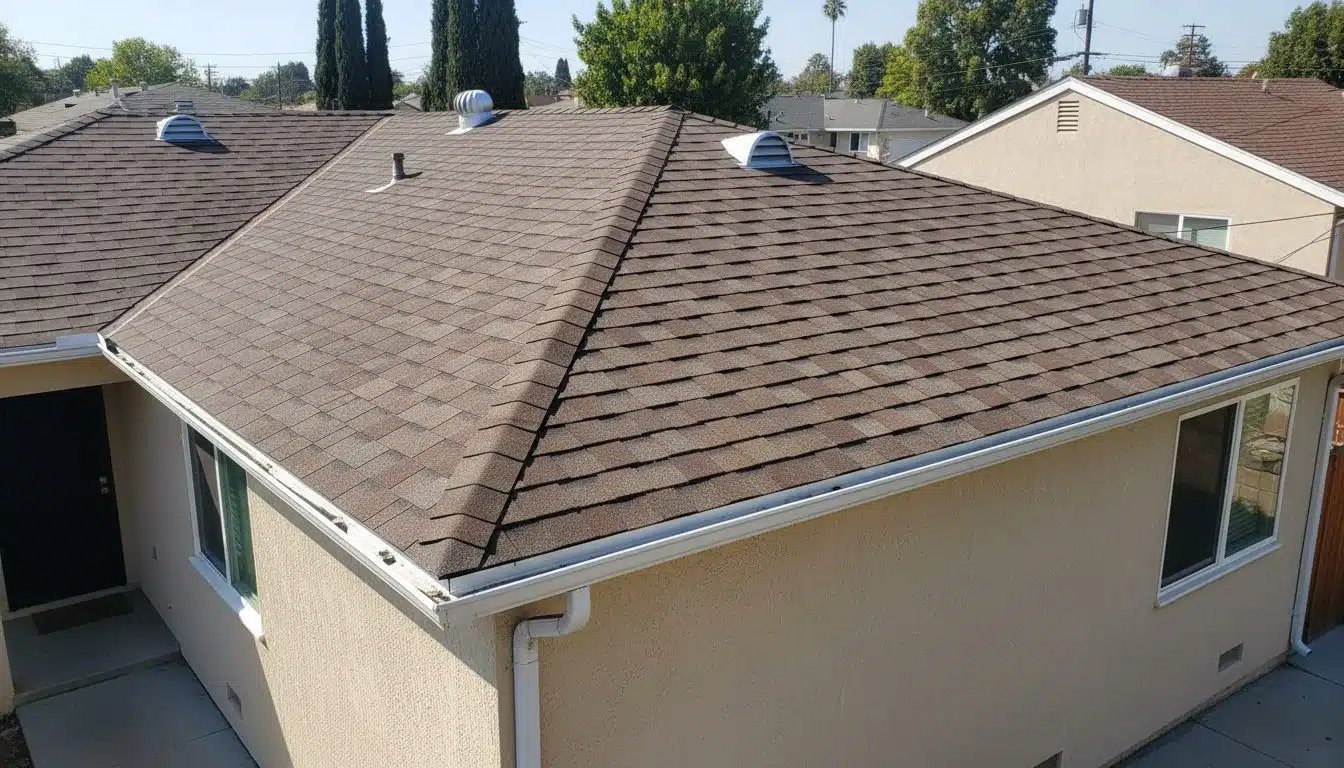
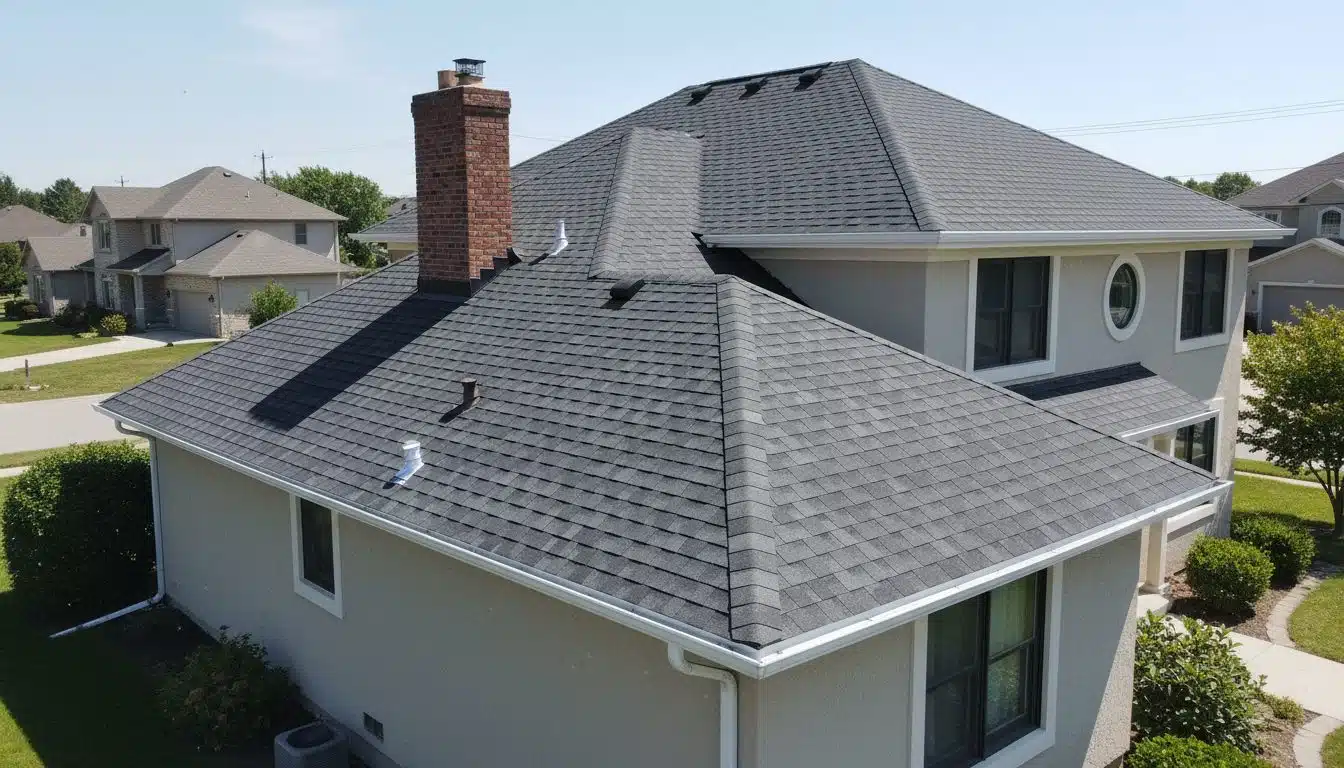
Roof flashing in West Hills is a routine but critical repair for the established single-family homes that define this far-western corner of the San Fernando Valley. From the oak-shaded streets near the Reyes Adobe Historical Site to the hillside lots backing up toward Hidden Hills and the rolling terrain around Knapp Ranch Addition Park, West Hills homes sit in a landscape where seasonal rain and dry-season heat cycles put real stress on the metal and membrane details that keep water out. Much of the housing stock here dates to the 1960s and 1970s — an era when galvanized step flashing, open valley metal, and basic chimney counterflashing were standard, and those materials are now well past their expected service life. Roof Repair & Construction Inc. works throughout West Hills and its surrounding communities — Chatsworth, Canoga Park, Woodland Hills, and the Owensmouth corridor — addressing flashing failures on composition shingle roofs, flat and low-slope additions, and the mixed roof planes common on the larger ranch-style and split-level homes in this area.


Where West Hills Roofs Leak at the Flashing — West Hills — Roof Repair & Construction Inc.

The short answer

Roof Repair & Construction Inc. handles roof flashing in West Hills for homes across zip codes 91307 and 91304 — including established neighborhoods near Chatsworth and Woodland Hills where aging shingle roofs commonly develop chimney and valley flashing failures. Call (323) 474-1088.

Flashing Options for West Hills Roof Types — West Hills — Roof Repair & Construction Inc.
Common Flashing Failures

Where West Hills Roofs Leak at the Flashing

The ranch-style and split-level homes throughout West Hills tend to have multiple roof planes, dormers, and chimney chases — each intersection a potential leak point as original galvanized flashing corrodes or separates from dried-out caulk. Homes near the hillside lots off Roscoe Boulevard and the larger parcels bordering Hidden Hills frequently show step-flashing failures where a pitched shingle field meets a vertical wall or addition. Skylights added during 1980s and 1990s remodels are another consistent source of water intrusion once their original counterflashing lifts or cracks. Call (323) 474-1088 to schedule an assessment.

  • Chimney counterflashing and step flashing separation
  • Open valley metal corrosion on older shingle roofs
  • Skylight curb flashing failure on 1980s–90s additions
  • Wall-to-roof step flashing at dormers and second-story additions
  • Parapet cap and edge flashing on flat-roof sections
  • Pipe boot and penetration flashing deterioration
Instant Estimate · No Phone Call

What Will Your Roof Cost?

Answer a few quick questions and get a ballpark price for your West Hills roof in about a minute — right here, no obligation.

Calculate My Roof Cost ›

Flashing Materials & Methods

Flashing Options for West Hills Roof Types

For composition shingle roofs — the dominant roof type across Chatsworth, Canoga Park, and the Owensmouth-area streets — galvanized or aluminum step flashing is the standard approach, with lead or aluminum counterflashing at chimneys. Flat and low-slope sections, which appear frequently on West Hills ranch homes as covered patios or additions, call for a different detail: torch-down modified bitumen or TPO membrane flashing integrated at the transition edge. Roof Repair & Construction Inc. matches the flashing method to the specific roof system rather than applying a one-size approach. Call (323) 474-1088 to discuss what your roof needs.

Flashing
Galvanized and aluminum step flashing for shingle roofs
Lead and aluminum counterflashing at chimneys and walls
Modified bitumen membrane flashing at flat-to-pitched transitions
TPO edge and termination bar details on low-slope sections
Drip edge and eave flashing on re-roofs and tear-offs
Roof coating integration at flat-roof flashing terminations
City of LA Permits

Flashing Permits for West Hills Roofing Projects

West Hills is part of the City of Los Angeles, so building permits and inspections for roofing work — including flashing replacement tied to a re-roof — go through the Los Angeles Department of Building and Safety (LADBS), not a separate municipal authority. Minor flashing repairs often do not require a standalone permit, but when flashing work is part of a full tear-off and re-roof, a permit is typically pulled for the overall project. Roof Repair & Construction Inc. coordinates with LADBS requirements as standard practice on permitted projects. Call (323) 474-1088 with questions about what your specific scope requires.

Flashing Permits
West Hills permitting authority: LADBS (City of Los Angeles)
Zip codes served: 91307, 91304, 91308
Re-roof permits include flashing as part of the overall scope
Standalone flashing repairs assessed case by case for permit need
Title 24 cool-roof requirements apply to qualifying re-roofs
Inspections coordinated through the City of LA inspection process
Why Choose Us

Why Homeowners Choose
Roof Repair & Construction Inc.

From tile and shingle to flat and low-slope roofs, we handle every roof type in West Hills — one licensed team for replacement, repair, coating, cool roofs, and tear-offs.

Flashing repairs for West Hills's 1960s–70s ranch and split-level homes
Valley, chimney, and skylight flashing on steep and low-slope planes
Flat-roof flashing details: torch-down, TPO, and modified bitumen edges
City of LA permits coordinated through LADBS when required
Licensed contractor — License #1144009
Flat & Low-Slope Sections

Flashing Flat Roof Additions in West Hills

Many West Hills homes — particularly the larger ranch-style properties near Murphy Ranch and the parcels along the Woodland Hills border — were expanded with flat or low-slope additions that now show edge flashing and transition flashing failures. These sections require torch-down or TPO membrane systems with properly integrated termination details rather than the step-flashing approach used on pitched shingle fields. Getting the transition between a pitched shingle roof and a flat addition right is one of the more technically demanding flashing details on a residential project. Call (323) 474-1088 to talk through what your flat-roof section needs.

Scheduling & Scope

How a Flashing Repair Starts in West Hills

A flashing repair on a West Hills home typically begins with a roof assessment to identify which specific details have failed — whether that's a single chimney counterflashing, a full valley replacement, or multiple penetration boots across an aging shingle field. Scope can range from a targeted single-point repair to a full flashing replacement coordinated with a tear-off and re-roof. Roof Repair & Construction Inc. serves West Hills and the surrounding communities of Chatsworth, Canoga Park, Woodland Hills, and Northridge. Call (323) 474-1088 to get started.

How a Flashing Repair Starts
Roof assessment to identify specific flashing failure points
Targeted single-point repairs for isolated leaks
Full flashing replacement coordinated with re-roof tear-offs
Flat-roof edge and transition details scoped separately
Service across West Hills zip codes 91307, 91304, and 91308
Surrounding communities: Chatsworth, Canoga Park, Woodland Hills, Northridge

Ready to get started in West Hills?

Call for a free, no-pressure estimate.

Service Area

West Hills Service Area

Roof Repair & Construction Inc. provides Roof Flashing throughout West Hills. Service areas include Chatsworth, Canoga Park, Woodland Hills, Bell Canyon, Hidden Hills and Owensmouth. We also serve nearby Canoga Park, Chatsworth, Woodland Hills, Calabasas, Hidden Hills and Thousand Oaks. The map below outlines the West Hills area we cover.
Questions

Frequently Asked Questions

How much does roof flashing cost in West Hills?
Flashing repair costs in West Hills vary based on the type of flashing involved, the number of failure points, and whether the work is a standalone repair or part of a larger re-roof. A single chimney counterflashing replacement is a different scope than replacing all the step flashing and valley metal on a multi-plane ranch-style roof. Call (323) 474-1088 for a specific assessment of your West Hills home.
What does a roof flashing repair in West Hills typically include?
A typical flashing repair on a West Hills home involves removing the failed metal or membrane detail, inspecting the underlying decking for water damage, and installing new flashing integrated properly with the surrounding roofing material — whether that's composition shingles, torch-down, or TPO. Chimney counterflashing, step flashing, valley metal, and skylight curb flashing are the most common scopes on the 1960s–70s homes throughout this area. Call (323) 474-1088 to discuss what your specific roof needs.
How long does a flashing repair take on a West Hills home?
A focused flashing repair — such as a chimney counterflashing replacement or a single valley re-flash — typically takes one day or less on a standard West Hills single-family home. More extensive work, like replacing step flashing along a long dormer wall or re-flashing a flat-roof addition transition, may take longer depending on the scope and roof access. Call (323) 474-1088 to get a realistic timeline for your specific project.
Does flashing work on my West Hills home require a City of LA permit?
West Hills falls under the City of Los Angeles, so LADBS is the permitting authority. Minor isolated flashing repairs often don't require a standalone permit, but flashing replacement that is part of a full re-roof typically falls under the re-roof permit. The specific scope determines what's required, and Roof Repair & Construction Inc. coordinates with LADBS requirements on permitted projects. Call (323) 474-1088 to talk through your project's permit needs.
Can a flashing failure be fixed without replacing the whole roof?
Yes — in many cases a failed chimney counterflashing, a corroded valley, or a lifted skylight curb flashing can be repaired or replaced without tearing off the entire roof, provided the surrounding shingles and decking are still in serviceable condition. On older West Hills homes where the shingle field is also near the end of its life, it often makes sense to address both at once to avoid re-doing the flashing work shortly after. Call (323) 474-1088 and we can assess whether a targeted repair or a full re-roof makes more sense for your home.
What flashing approach is used where a pitched shingle roof meets a flat addition on a West Hills home?
The transition between a pitched shingle field and a flat or low-slope addition is one of the more demanding flashing details on a residential roof. The standard approach integrates the flat-roof membrane — typically torch-down modified bitumen or TPO — up the vertical face of the transition and under the first course of shingles, with a metal counterflashing or termination bar sealing the top edge. Getting this detail right is critical on the ranch-style and expanded homes common near Woodland Hills and the Owensmouth corridor. Call (323) 474-1088 to discuss your specific roof configuration.
How do I know if the flashing on my West Hills home has failed?
The most direct sign is water intrusion at a specific point — staining on a ceiling below a chimney, a skylight, or an interior wall near a roof-to-wall junction. On the roof itself, visible rust streaks on metal flashing, lifted counterflashing, cracked caulk at chimney bases, or open gaps at valley seams all indicate flashing that needs attention. West Hills homes from the 1960s and 1970s often have original galvanized flashing that is well past its expected service life even if it hasn't visibly failed yet. Call (323) 474-1088 to schedule a flashing assessment.
Does the terrain near Hidden Hills and the hillside lots in West Hills affect a flashing repair?
Hillside and sloped lots — common on the western edges of West Hills near Hidden Hills and along the parcels bordering Chatsworth — can affect roof access and staging for a flashing repair, particularly on steeper pitches where additional safety equipment is needed. The terrain itself doesn't change which flashing materials are appropriate, but it does factor into how the work is scoped and scheduled. Call (323) 474-1088 to discuss access and logistics for your specific property.