Serving Granada Hills

Flashing Work for Granada Hills's Established Homes

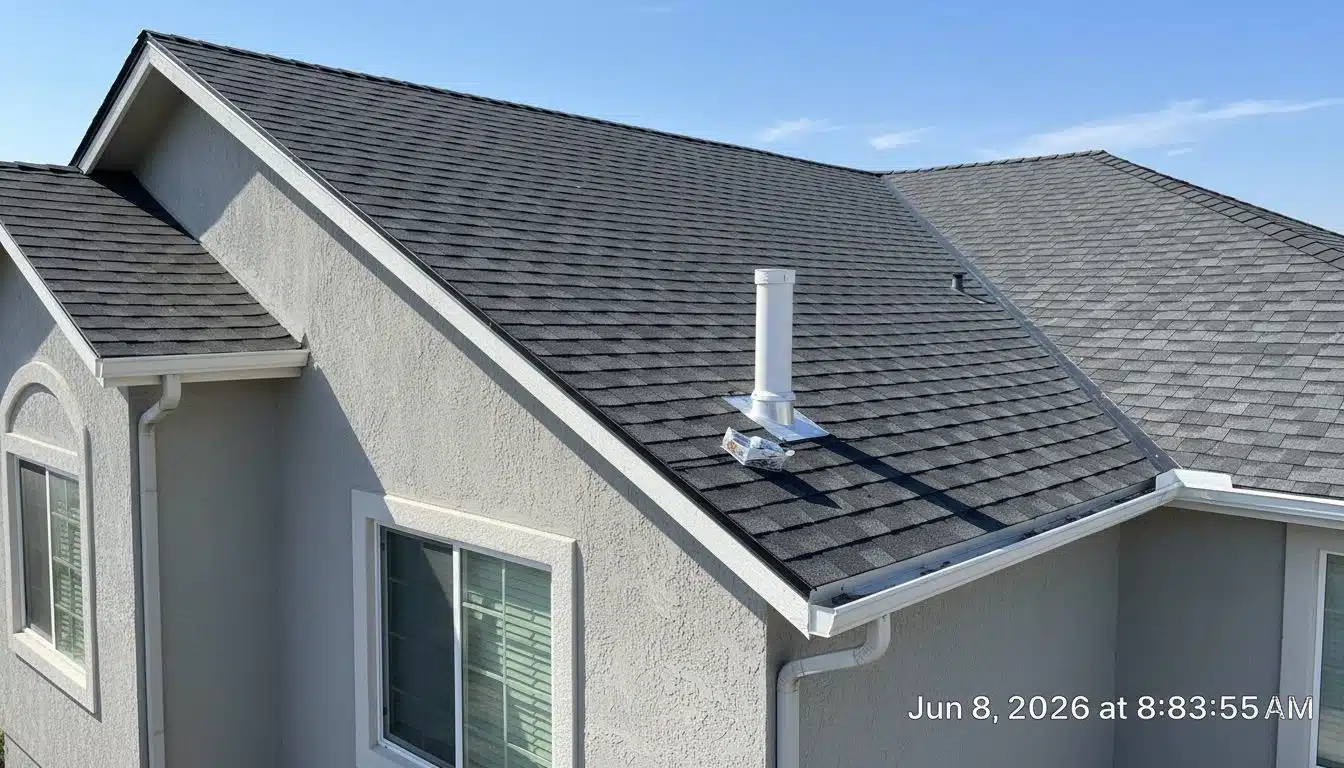
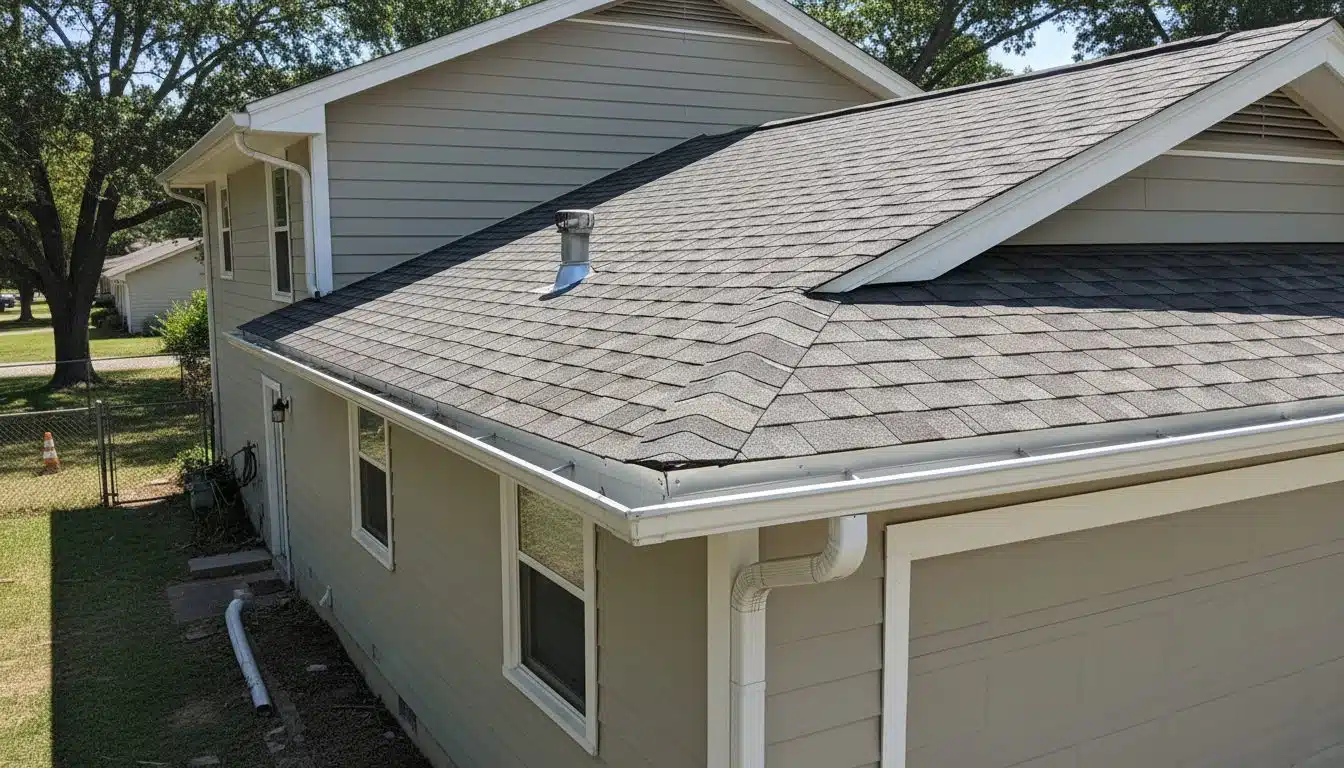
Roof flashing in Granada Hills is one of the more common repair calls we receive from homeowners in Knollwood, White Oak, and Granada Hills South — communities built largely between the 1950s and 1970s, where original galvanized or aluminum flashing has had decades to corrode, separate, or simply outlive its useful life. Granada Hills sits in the northwestern San Fernando Valley, bordered by the open space of O'Melveny Park and Bee Canyon Park, and its residential blocks are predominantly single-family homes on flat to gently graded lots — the kind of rooflines with chimneys, dormers, skylights, and roof-to-wall transitions that concentrate water if flashing fails. Because Granada Hills is part of the City of Los Angeles, any permitted roofing work goes through Los Angeles's building department, not a separate municipal authority. Roof Repair & Construction Inc. works across both ZIP codes that serve this area — 91344 and 91394 — and approaches every flashing assessment the same way: find where water is actually entering, identify whether the flashing itself has failed or whether the surrounding roofing material is the source, and recommend only the work that is genuinely needed.

Where Granada Hills Roofs Lose Their Flashing Seal — Granada Hills — Roof Repair & Construction Inc.

The short answer

Roof Repair & Construction Inc. handles roof flashing in Granada Hills for homes across Knollwood, White Oak, and Granada Hills North — neighborhoods where established single-family construction from the 1950s through 1970s commonly develops chimney, valley, and step-flashing failures. Granada Hills falls under City of Los Angeles jurisdiction. Call (323) 474-1088.

Flashing Options for Granada Hills Roof Types — Granada Hills — Roof Repair & Construction Inc.
Common Failure Points

Where Granada Hills Roofs Lose Their Flashing Seal

On the established single-family homes that line streets through Knollwood and Granada Hills North, the most frequent flashing failures appear at chimney bases, in open roof valleys, and along the step-flashing where a roof plane meets a vertical wall — a detail common on the ranch-style and traditional homes built here in the postwar decades. Skylights added during later renovations are another consistent source of water intrusion when their counter-flashing lifts or their sealant cracks under the San Fernando Valley's summer heat cycles. If you're seeing water stains on interior ceilings or walls after rain, call (323) 474-1088 to schedule an assessment.

  • Chimney base and cap flashing separation
  • Open-valley and closed-valley flashing corrosion
  • Step-flashing failures at roof-to-wall junctions
  • Skylight counter-flashing lifting or cracking
  • Pipe boot and vent flashing deterioration
  • Drip-edge failures at eaves and rakes
Instant Estimate · No Phone Call

What Will Your Roof Cost?

Answer a few quick questions and get a ballpark price for your Granada Hills roof in about a minute — right here, no obligation.

Calculate My Roof Cost ›

Flashing Materials

Flashing Options for Granada Hills Roof Types

Most Granada Hills homes carry composition asphalt shingle roofs, and the standard flashing material for those systems is galvanized steel or aluminum — both of which are compatible with shingle re-roofs and straightforward to integrate with new synthetic underlayment when a full tear-off is involved. Flat or low-slope sections on additions and detached garages — common throughout the White Oak and Zelzah areas — typically use modified bitumen or TPO membrane that is lapped and sealed at penetrations rather than relying on separate metal flashing pieces. Call (323) 474-1088 and we'll walk through which material fits your specific roof configuration.

Flashing
Galvanized steel flashing for shingle roofs
Aluminum flashing where corrosion resistance is a priority
Modified bitumen lapped flashing for flat additions
TPO membrane detailing at penetrations and curbs
Lead flashing for chimney saddles where appropriate
Roof coating integration at low-slope transitions
City of LA Permits

Flashing Permits for Granada Hills Projects

Granada Hills is governed by the City of Los Angeles, so building permits and inspections for roofing work — including flashing replacement that accompanies a full re-roof — run through Los Angeles's building department, not a separate Granada Hills authority. Standalone flashing repairs are often minor enough that a permit is not required, but when flashing work is part of a larger re-roofing scope, permit requirements apply and the Los Angeles building department is the authority on what triggers one. We treat the permitting authority as the final word on what applies to your specific property — call (323) 474-1088 and we can discuss what your project is likely to involve.

Flashing Permits
Jurisdiction: City of Los Angeles building department
ZIP codes served: 91344 and 91394
Permits typically required when flashing is part of a full re-roof
Standalone minor repairs may not require a permit
Title 24 cool-roof compliance applies to qualifying re-roofs
Inspections coordinated through City of LA when required
Why Choose Us

Why Homeowners Choose
Roof Repair & Construction Inc.

From tile and shingle to flat and low-slope roofs, we handle every roof type in Granada Hills — one licensed team for replacement, repair, coating, cool roofs, and tear-offs.

Flashing repairs for Granada Hills's 1950s–70s single-family homes
Chimney, valley, skylight, and step-flashing replacement
Flat and low-slope flashing for additions and garage roofs
City of LA permit coordination when required
License #1144009 — insured, no hidden fees
Flat Roof Flashing

Flashing Flat and Low-Slope Sections in Granada Hills

A number of Granada Hills properties — particularly those near the Porter Ranch border and throughout the Granada Hills South area — include flat or low-slope additions, covered patios, or detached structures alongside the main pitched roof. These sections require a different flashing approach: membrane systems like torch-down modified bitumen or TPO rely on properly detailed termination bars, edge metal, and penetration flashings rather than the step-and-counter-flashing used on pitched shingles. Getting the transition between a pitched shingle field and a flat membrane section right is one of the more technically specific parts of this work — call (323) 474-1088 to talk through what your property needs.

Assessment and Repair Process

How a Flashing Repair Starts in Granada Hills

We begin with a roof assessment to locate the actual source of the water intrusion — which is not always where the interior staining appears. On older Granada Hills homes, it's common to find that original flashing has been patched with roofing cement multiple times over the decades, masking the underlying failure rather than correcting it. Once the source is confirmed, we scope only the work that addresses it: that might be a targeted flashing replacement at a single chimney, a full valley re-flash, or flashing work integrated into a broader re-roof. Call (323) 474-1088 to schedule an assessment for your home in Knollwood, White Oak, or anywhere across Granada Hills.

Ready to get started in Granada Hills?

Call for a free, no-pressure estimate.

Service Area

Granada Hills Service Area

Roof Repair & Construction Inc. provides Roof Flashing throughout Granada Hills. Service areas include Knollwood, Porter Ranch (adjacent area), White Oak, Zelzah, North Hills (bordering area), Granada Hills North and Granada Hills South. We also serve nearby Northridge, Porter Ranch, Chatsworth, North Hills, Sylmar and Mission Hills. The map below outlines the Granada Hills area we cover.
Questions

Frequently Asked Questions

How much does roof flashing cost in Granada Hills?
Flashing costs in Granada Hills vary based on the scope of work — a single pipe boot replacement is a much smaller job than re-flashing an entire chimney or re-doing the step-flashing along a long roof-to-wall run. The age and condition of the surrounding roofing material also affects scope, since older shingles sometimes need to be carefully removed and reset around new flashing. For an accurate figure specific to your home in Knollwood, White Oak, or elsewhere in Granada Hills, call (323) 474-1088 for an assessment.
What does a roof flashing repair in Granada Hills typically include?
A typical flashing repair involves removing the deteriorated or failed flashing, inspecting the underlying decking for any water damage, installing new metal or membrane flashing appropriate to the roof type, and integrating it properly with the surrounding shingles or membrane. On Granada Hills homes with chimneys — common on the ranch-style and traditional homes throughout Knollwood and Granada Hills North — the work often includes both the base flashing and the counter-flashing that overlaps it. Call (323) 474-1088 to discuss what your specific repair is likely to involve.
How long does a flashing repair take on a Granada Hills home?
A focused flashing repair — replacing step-flashing along a wall, re-flashing a single chimney, or swapping out a few pipe boots — typically takes a day or less on a standard Granada Hills single-family home. Larger scopes, such as re-flashing multiple penetrations as part of a full shingle re-roof, take longer and depend on the overall project timeline. Call (323) 474-1088 and we can give you a realistic timeframe once we've assessed your roof.
Can flashing be replaced without tearing off the whole roof in Granada Hills?
Yes — in many cases, flashing can be replaced as a standalone repair without disturbing the rest of the roof. The practical limit is the condition of the surrounding shingles: if they're brittle or heavily worn, removing and resetting them around new flashing risks cracking them, which can create new leak points. On the older homes throughout Granada Hills South and White Oak, we assess the shingle condition alongside the flashing so you have a clear picture of what's realistic. Call (323) 474-1088 to schedule a look.
What type of flashing is used where a pitched shingle roof meets a flat addition on a Granada Hills property?
The transition between a pitched shingle field and a flat or low-slope membrane section requires a carefully detailed step-and-counter-flashing assembly on the pitched side, combined with a properly terminated membrane edge on the flat side — often using a metal termination bar or reglet. Getting this junction watertight is one of the more technically demanding parts of residential roofing, and it's a detail we see on a number of Granada Hills properties near the Porter Ranch border where additions have been built over the decades. Call (323) 474-1088 to discuss your specific roof configuration.
Does Granada Hills's City of LA jurisdiction affect how a flashing repair is permitted?
Granada Hills falls within the City of Los Angeles, so any permitted roofing work — including flashing replacement that is part of a full re-roof — goes through Los Angeles's building department. Minor standalone flashing repairs often do not require a permit, but the City of LA is the authority on what applies to your specific property and scope of work. We coordinate with the relevant department when permits are required. Call (323) 474-1088 to talk through what your project is likely to need.
How do I know if the flashing on my Granada Hills home has actually failed versus another part of the roof?
The most common signs of flashing failure are water stains on interior ceilings or walls that appear or worsen after rain, visible rust streaks or lifted metal at chimney bases or roof-to-wall junctions, and dried roofing cement patches that have cracked open over time. On the established homes throughout Knollwood and Granada Hills North — many of which are 50 or more years old — original flashing has often been patched repeatedly, which can obscure the actual failure point. A proper assessment traces the water path rather than relying on where the stain appears. Call (323) 474-1088 to schedule one.
Does the age of a Granada Hills home affect what kind of flashing work is needed?
It often does. Homes built in the 1950s through 1970s — which make up a large share of the housing stock in areas like Knollwood, White Oak, and Zelzah — may have original galvanized flashing that has corroded through, or they may have had multiple layers of roofing cement applied over failing metal rather than a proper replacement. When we assess an older Granada Hills home, we look at the full picture: the flashing material, its condition, how it was integrated with the original roofing, and whether the surrounding decking shows any water damage. Call (323) 474-1088 to get a clear assessment of your home.