Roofing isn’t just about shingles, what’s underneath matters just as much. One of the most essential components is the roofing decking boards. These boards create the foundation of your roofing system, giving it structure and strength.
At Roof Repair & Construction Inc, we often find that many homeowners overlook the importance of roof decking until problems arise. In this article, we’ll walk you through why roofing decking boards are so important, how they function, and the signs they may need replacement.
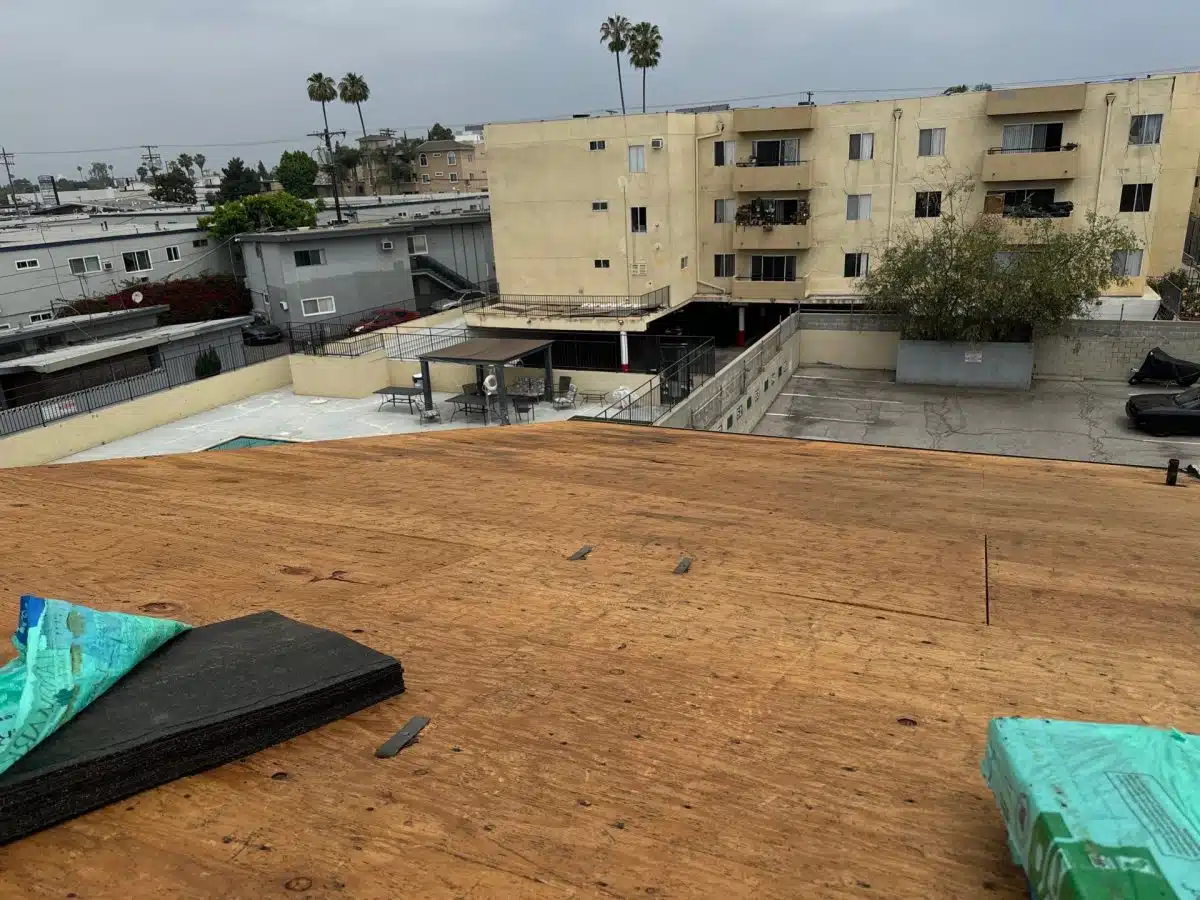
EXPERIENCED ROOFERS KNOW THE VALUE OF DECKING BOARDS
What are roofing decking boards?
Roofing decking boards, also called sheathing, are flat panels, usually plywood or OSB, installed over the rafters of your roof. They provide a solid surface for shingles and underlayment to be attached to. Think of them as the backbone of your roof’s structure.
Importance of Roofing Decking Boards
The importance of roofing decking boards can’t be overstated. They are essential for ensuring that your roof maintains its shape, strength, and function. Without solid decking, even the best shingles can’t perform. Weak or rotted boards can cause sagging, leaks, and ultimately full roof failure. That’s why, during roof replacements, Roof Repair & Construction Inc always inspects decking and replaces any compromised areas before moving forward.
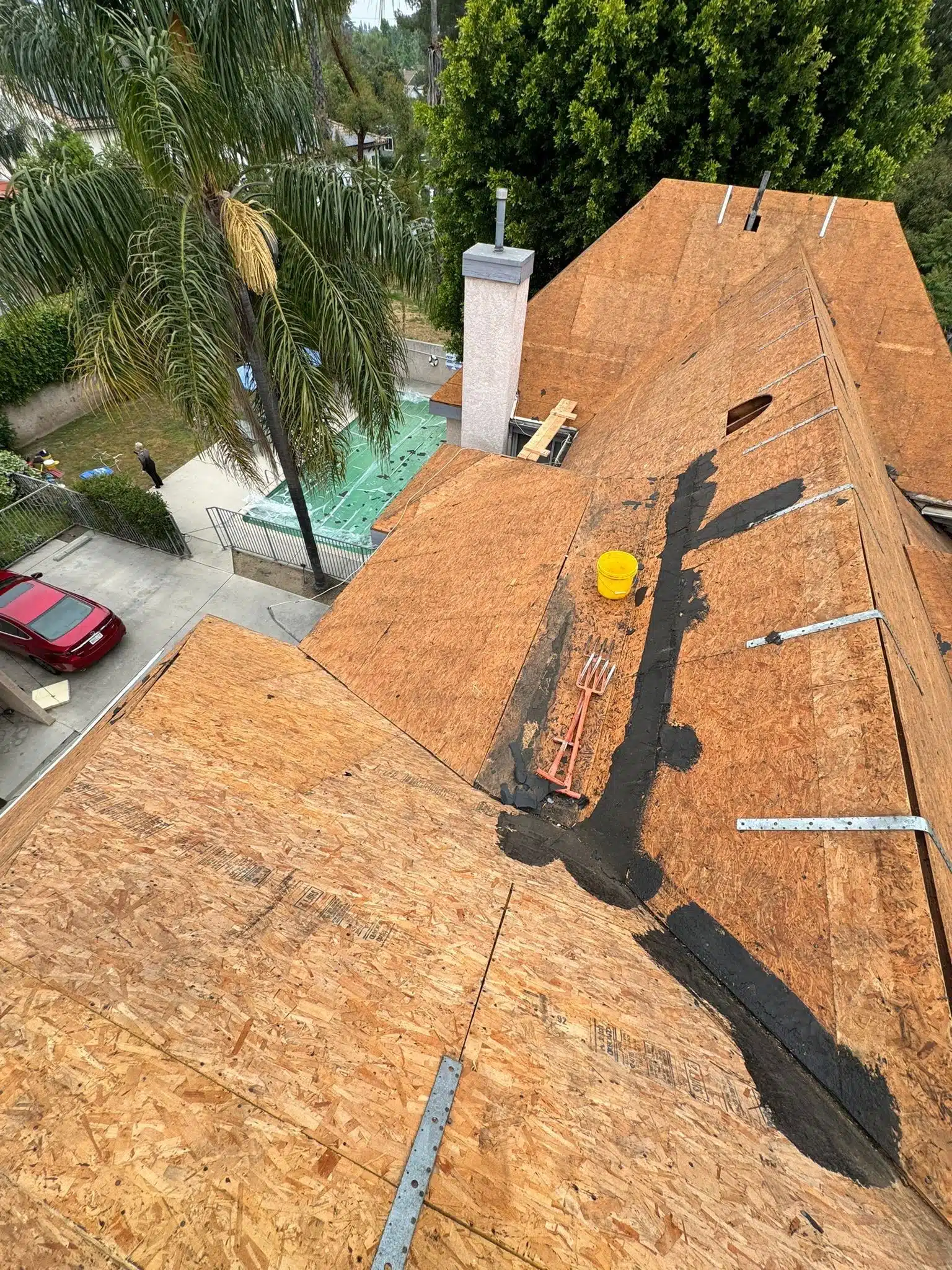
Signs Your Roofing Decking May Need Replacement
Over time, roofing decking boards can become damaged due to age, moisture, or pests. It’s important to spot the warning signs early to avoid costly repairs. If you notice a sagging roofline, leaks, or soft spots when walking in the attic, your decking may be compromised. At Roof Repair & Construction Inc, we perform thorough roof inspections to determine if decking replacement is needed.
Replacing damaged decking is not only about preventing leaks; it ensures your new roof lasts as long as it should and performs to its full potential.

Call Roof Repair & Construction Inc to Inspect or Replace Your Roof Decking
Your roof is only as strong as the decking that supports it. At Roof Repair & Construction Inc, we don’t just look at the surface; we go deeper to ensure your entire roof system is secure from the ground up. Whether you’re dealing with storm damage, age-related wear, or planning a full replacement, our team can assess your decking and make expert recommendations.
Contact us today for a free inspection or consultation. We’re here to ensure your roof stands strong for years to come, with solid decking beneath every shingle.
Recent Roofing Repair Advice
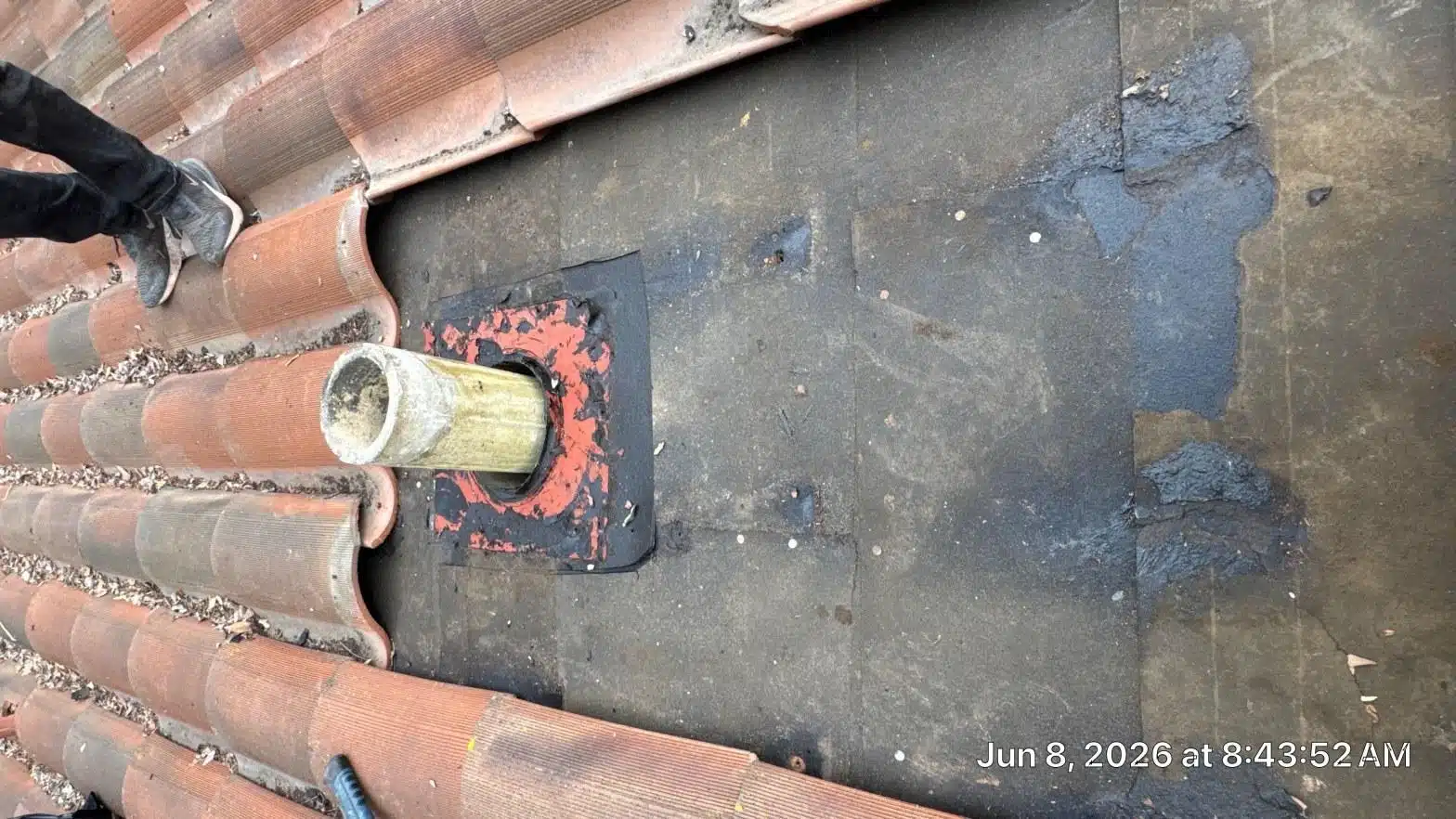
How to Choose a Roofing Contractor in California: 7 Things to Check Before You Hire
Hiring the wrong roofing contractor can cost thousands in repairs and void your homeowner's insurance claim. This guide walks you through 7 concrete checks every California homeowner should make before signing anything.
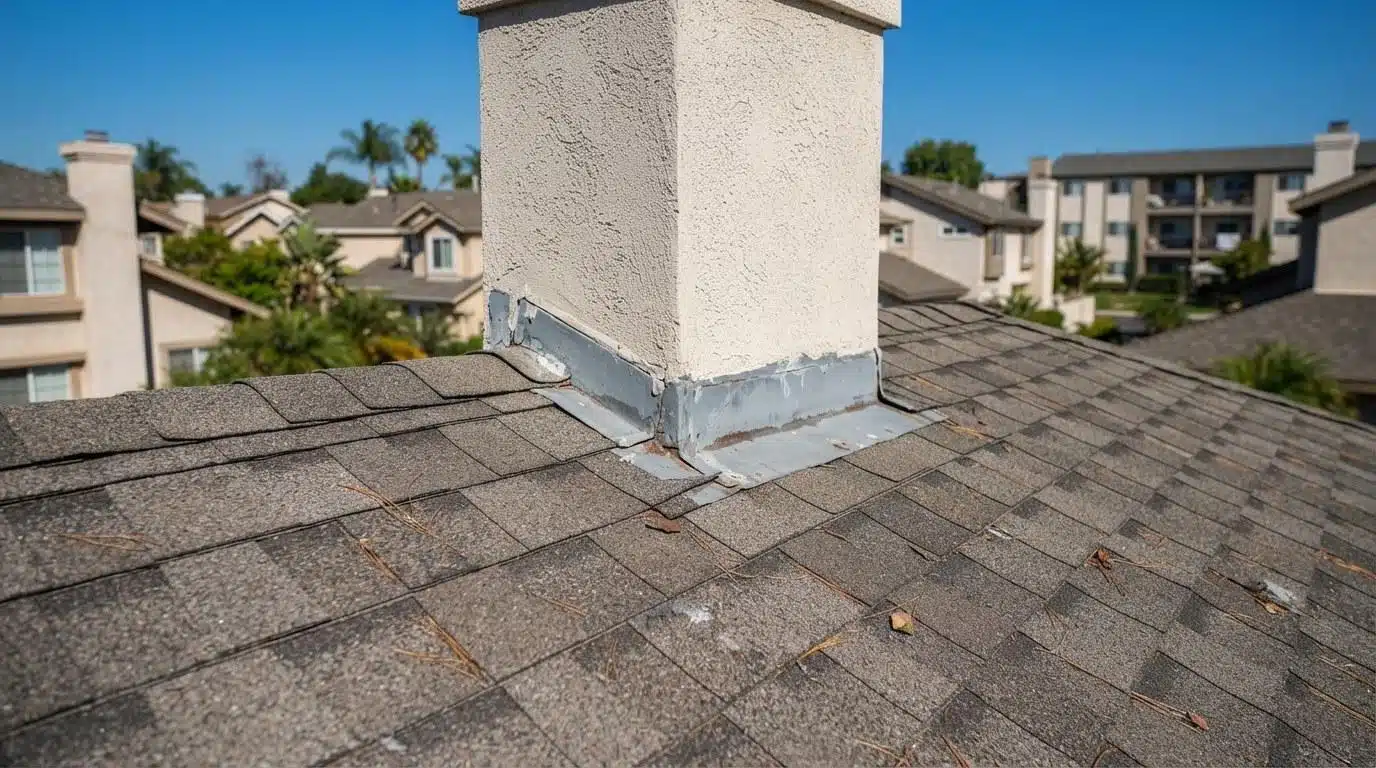
Summer Roof Maintenance Checklist for California Homeowners: 2026 Edition
California summers are brutal on roofing materials, and a missed inspection in August can mean a leaking roof by the first fall rain. This guide walks you through every task that protects your home before the season turns.
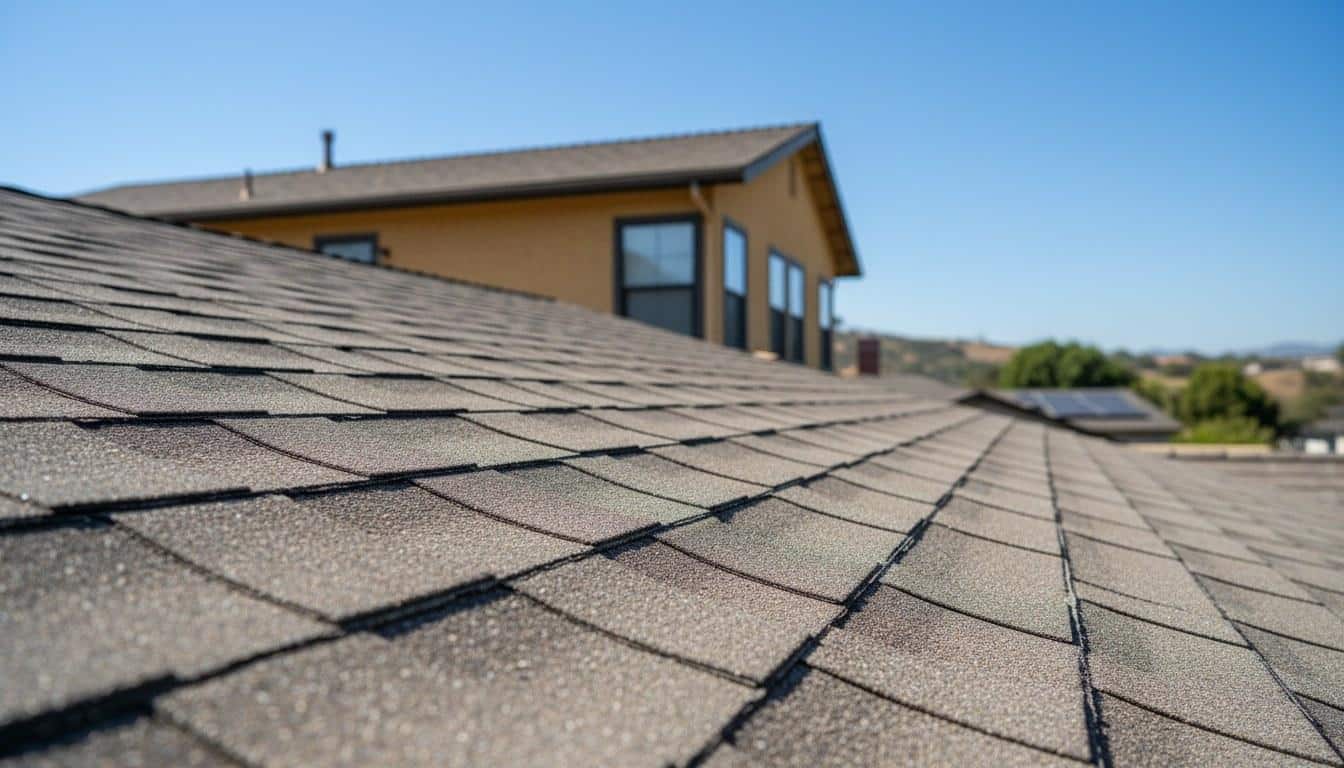
What Causes Roof Leaks? 8 Common Culprits California Homeowners Miss
Roof leaks in California often start small and stay hidden for months. This guide breaks down the 8 most common causes so you can catch problems early and protect your home.
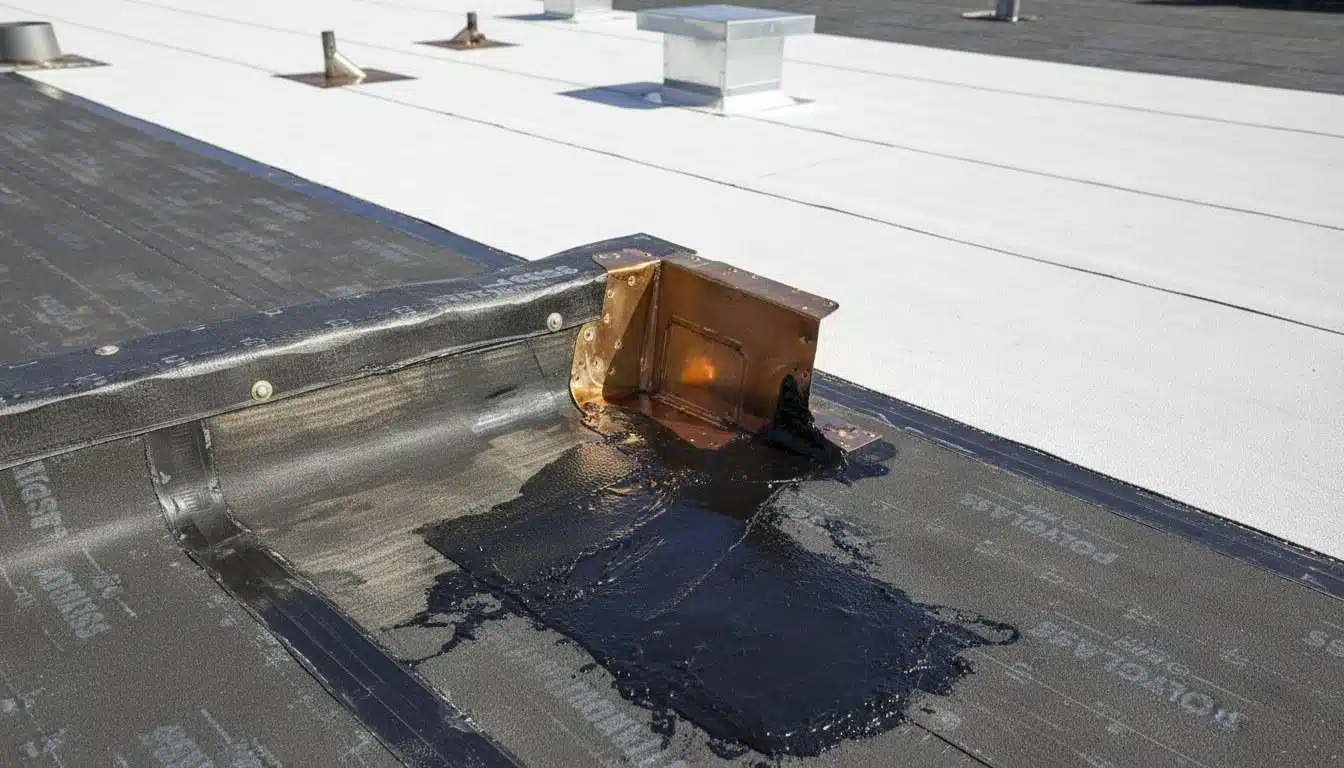
Affordable Roof Restoration Services: What’s Included and What It Costs
An affordable roof restoration service can add years to your roof's life for far less than a full replacement. This guide breaks down what's included, typical costs, and how to choose a qualified contractor in California.
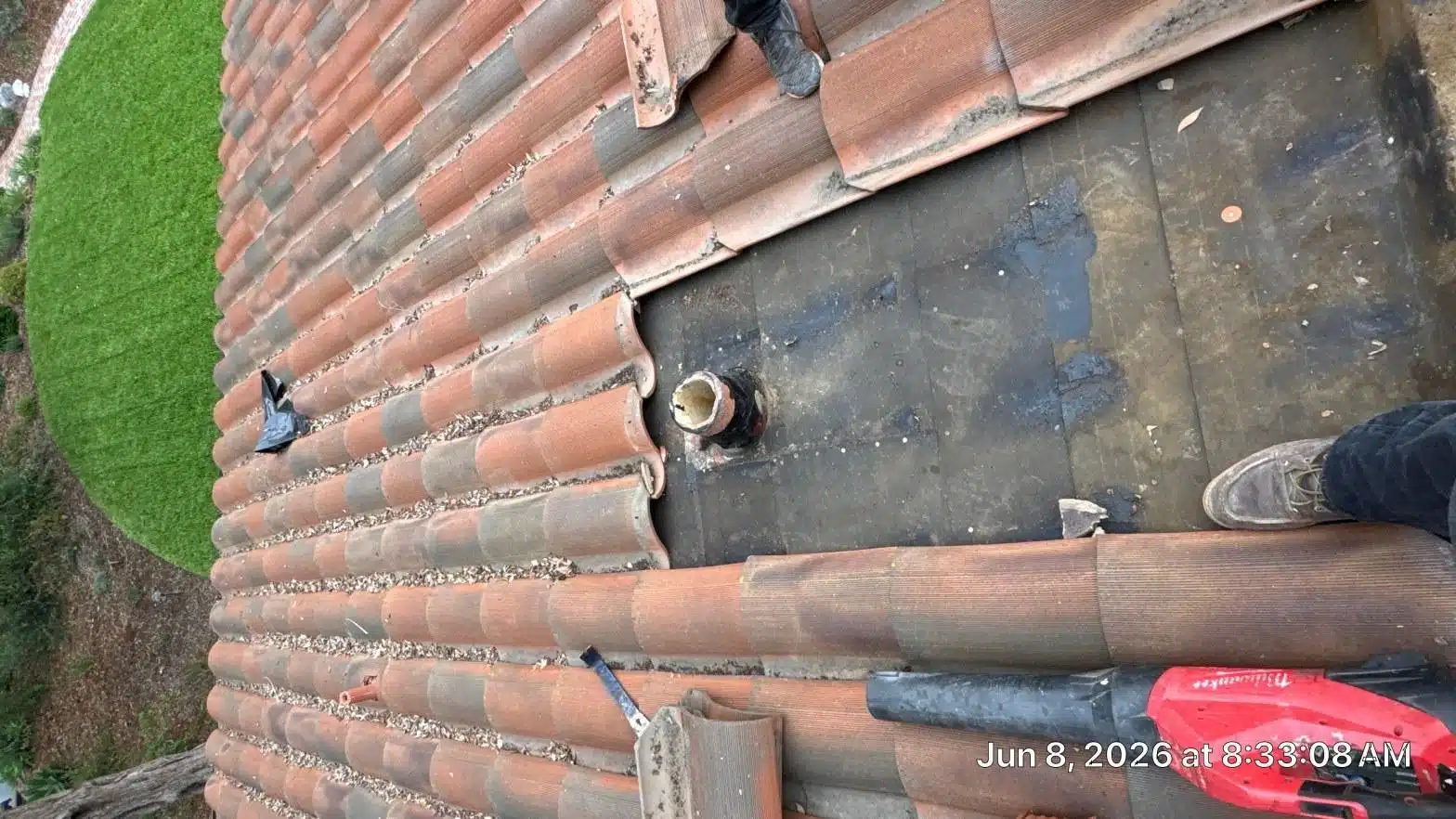
Roof Flashing Problems on Hillside Properties: What Homeowners Near Fryman Canyon Should Know
Hillside homes near Fryman Canyon face elevated moisture, debris runoff, and thermal stress that make roof flashing problems more likely and more damaging. This guide walks homeowners through the warning signs, safe DIY checks, and when to call a licensed professional.
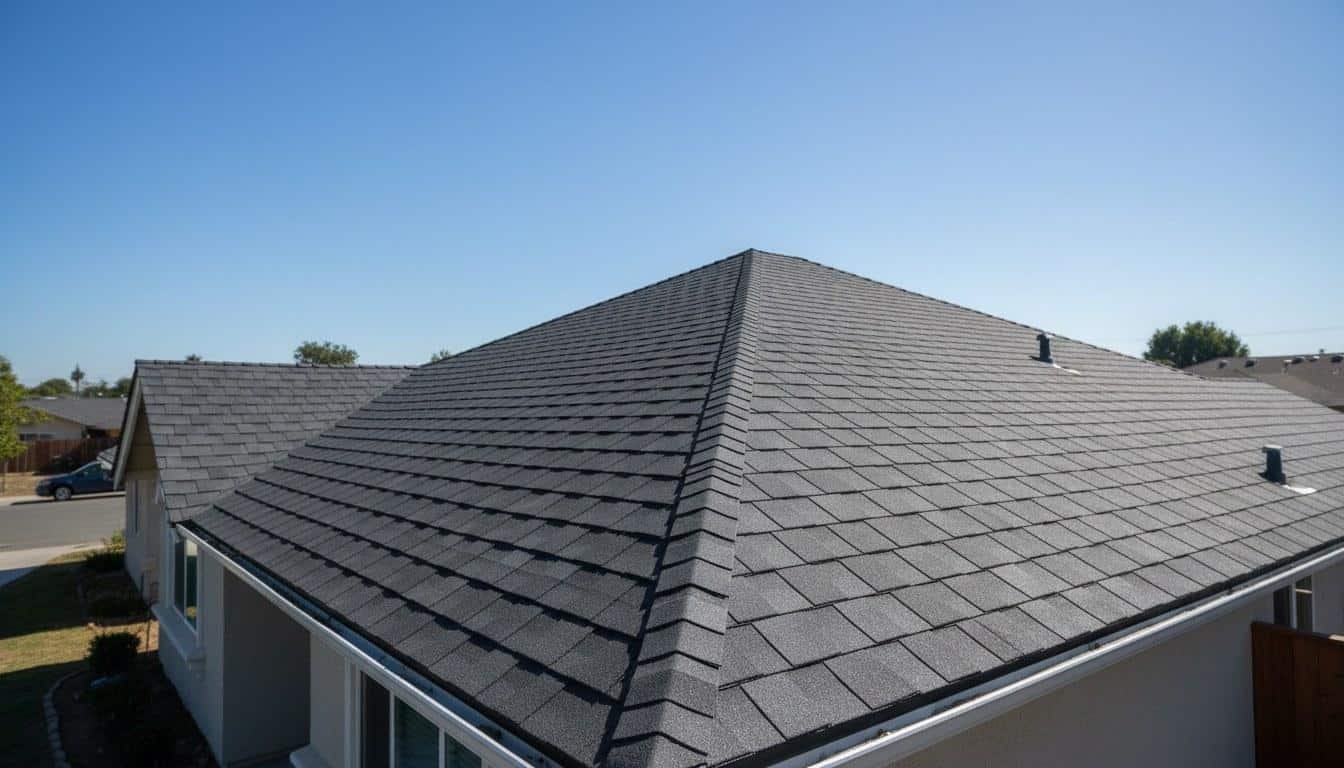
How Much Does a Full Roof Replacement Cost in California? 2026 Breakdown
A full roof replacement in California typically ranges from $8,000 to $25,000 or more depending on size, material, and complexity. This 2026 guide breaks down every cost factor so you can plan with confidence.