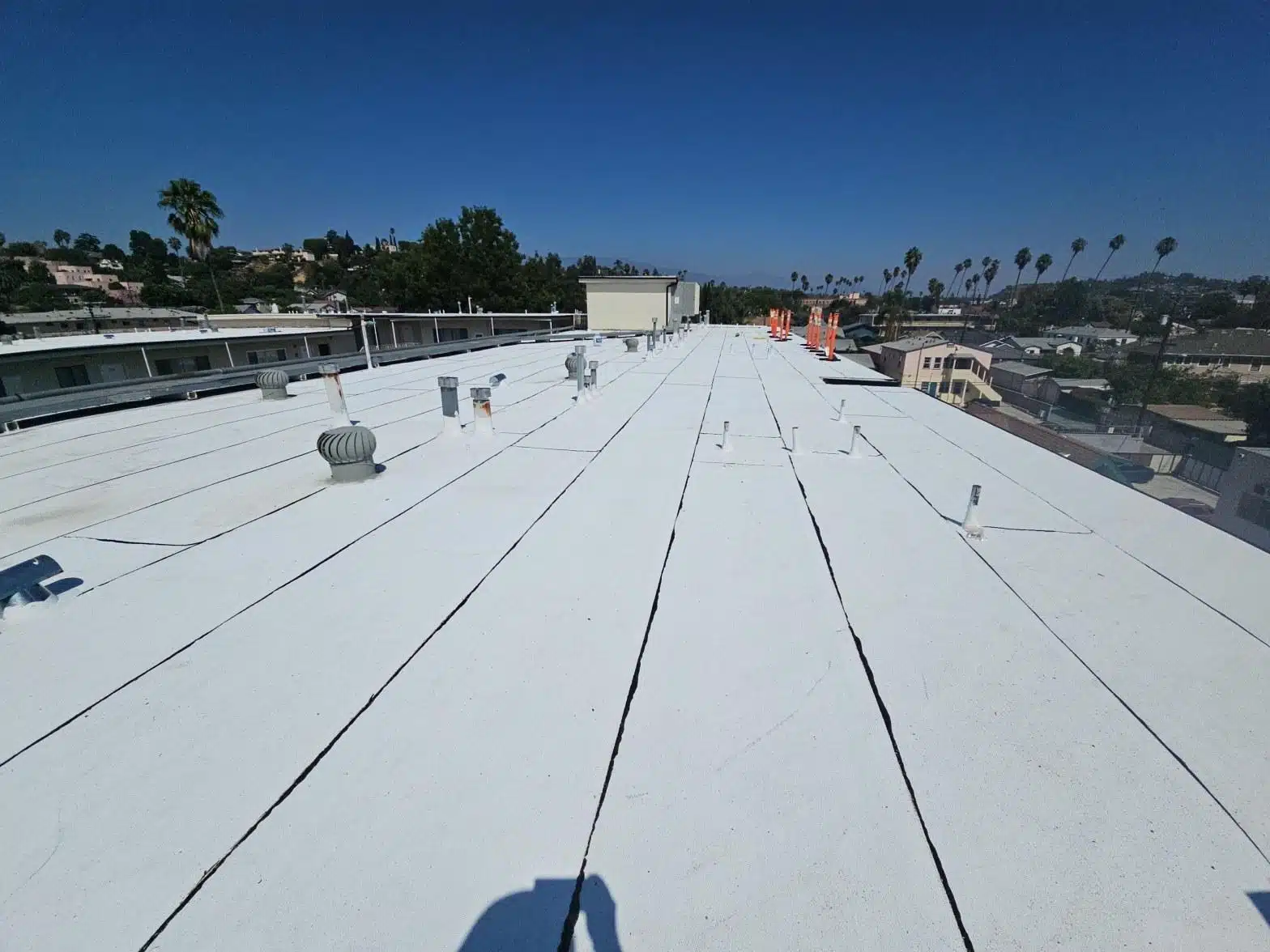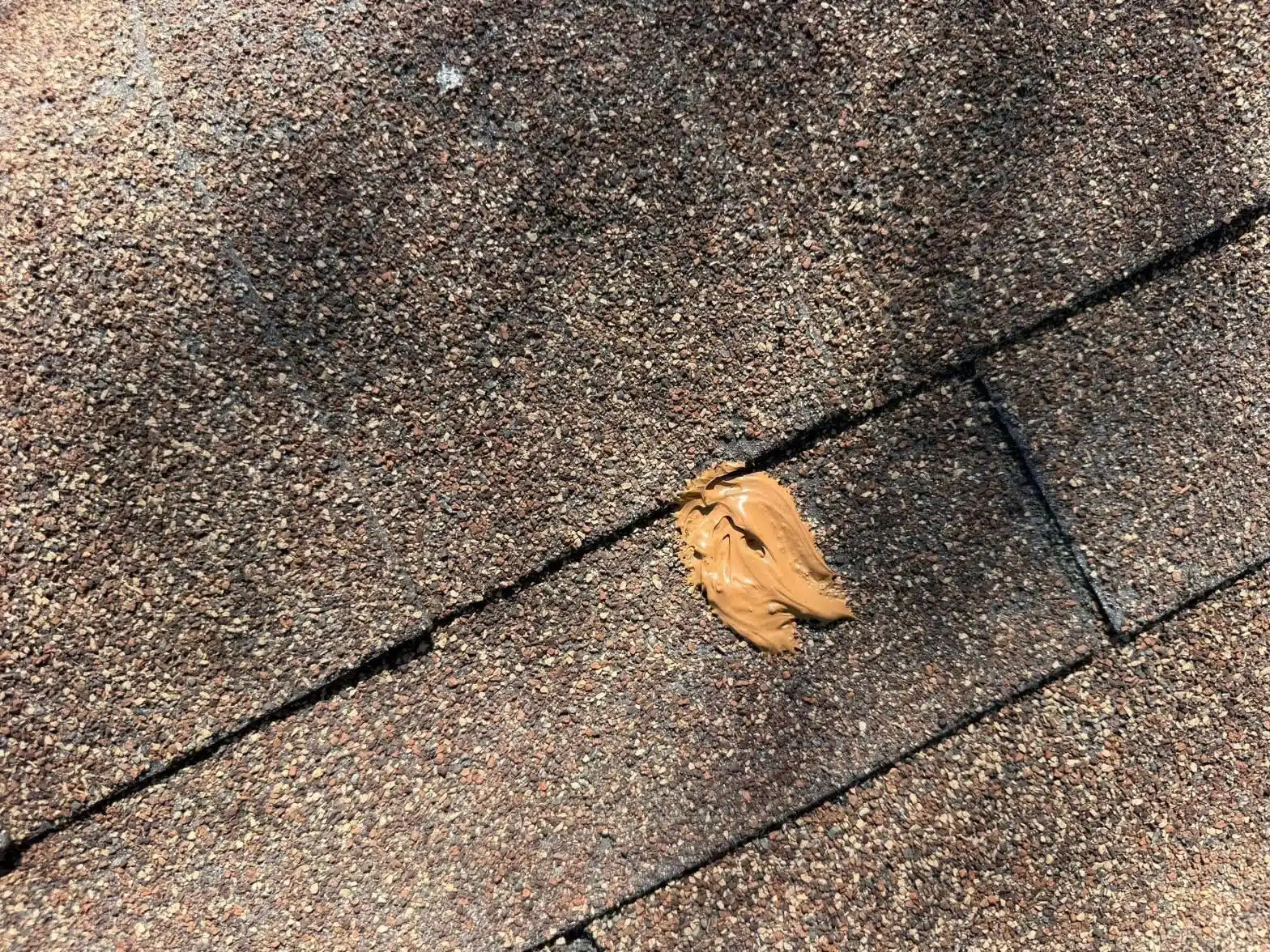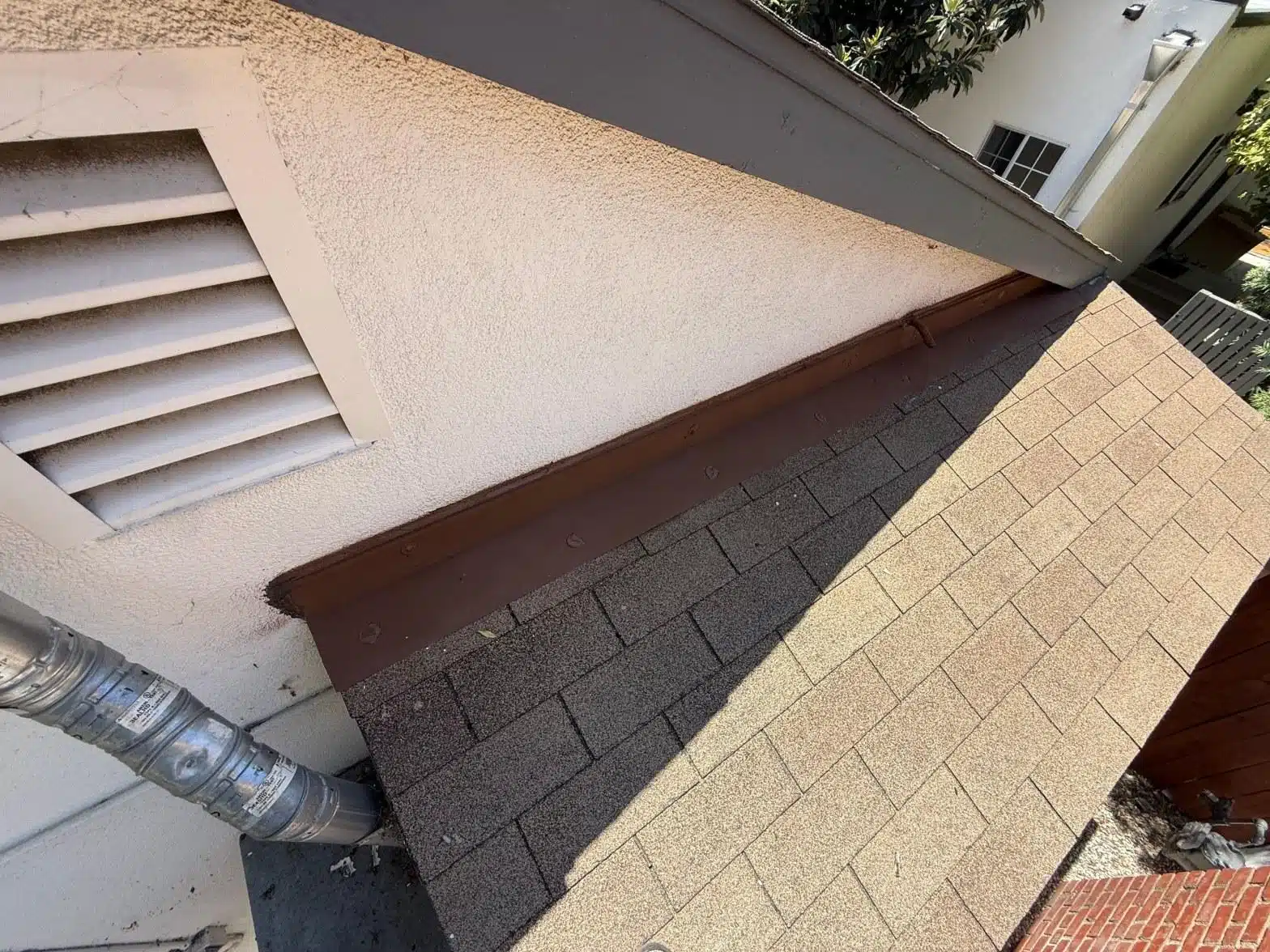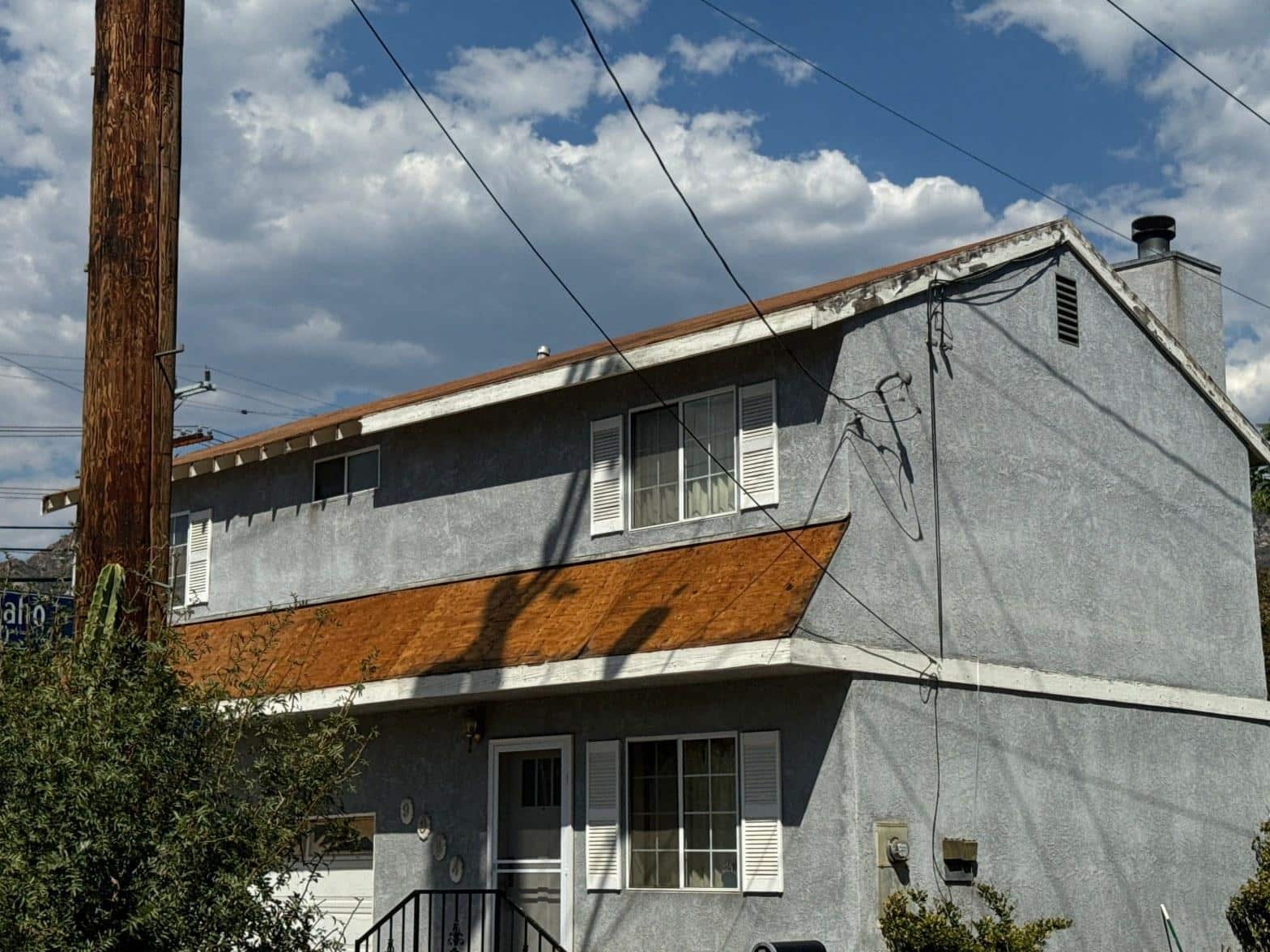
Flat roof repair prices vary widely depending on the damage type, membrane material, and roof size. This guide breaks down what homeowners typically pay in 2026 and what factors push costs up or down.
What Do Flat Roof Repairs Typically Cost in 2026?
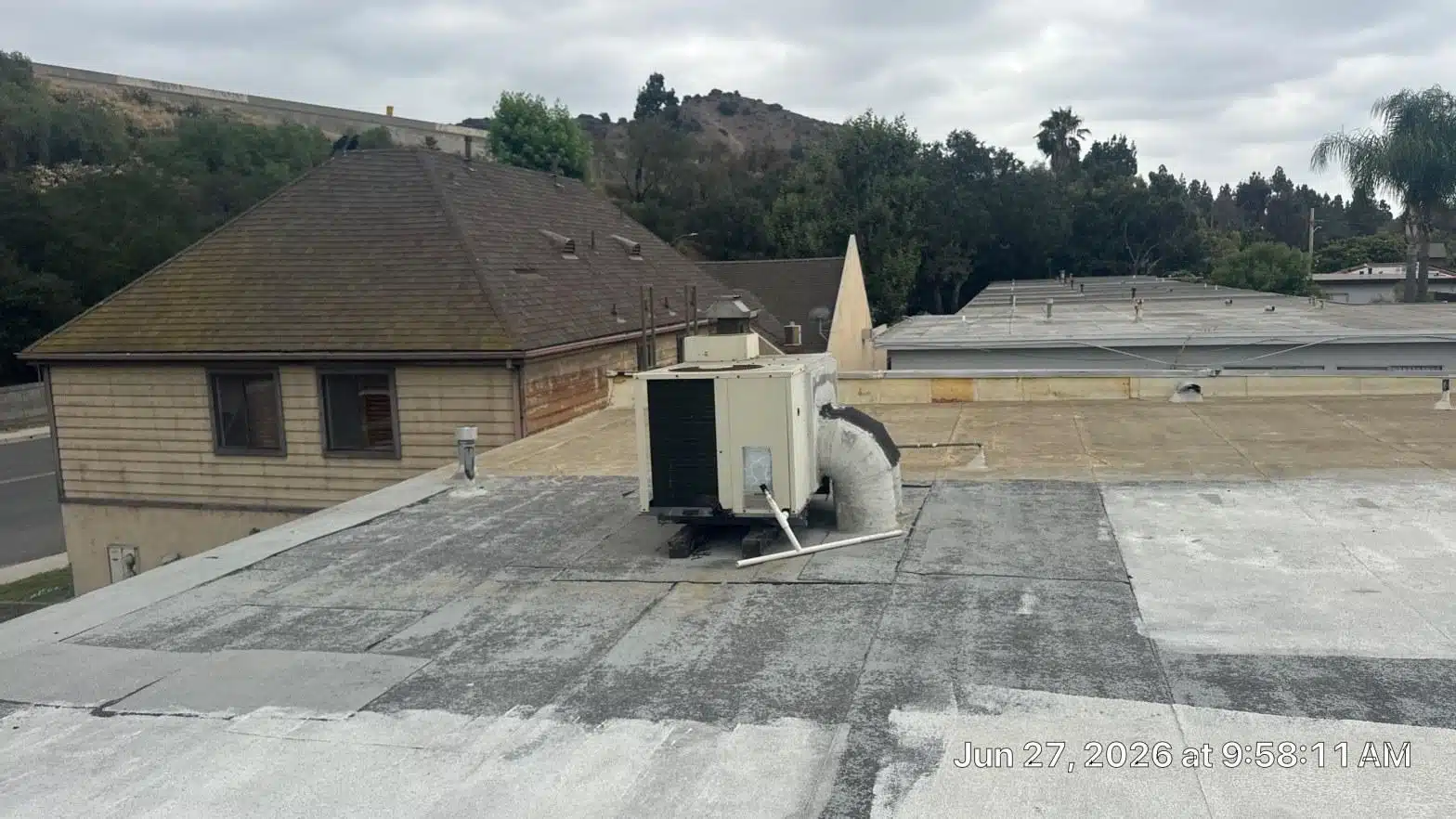
In the California regional market, flat roof repair prices cost typically falls between $300 and $1,500 for small patch repairs and between $1,500 and $8,000 for moderate to large membrane repairs as of 2026. Structural repairs involving damaged decking or joists can push totals above $10,000 depending on the scope. These are market-range figures based on industry data, not quotes from any specific contractor.
The wide range exists because flat roofing covers several very different membrane systems, each with its own material and labor costs. A small EPDM blister patch on a 10-square-foot section costs far less than replacing a 500-square-foot section of a built-up tar-and-gravel roof with rotted plywood underneath.
Leaking roof repair calls are among the most common service requests across California, and flat roofs are especially prone to pooling water because they rely entirely on proper drainage rather than gravity runoff. Catching a leak early almost always keeps repair costs at the lower end of the range.
What Affects Flat Roof Repair Prices Cost the Most?
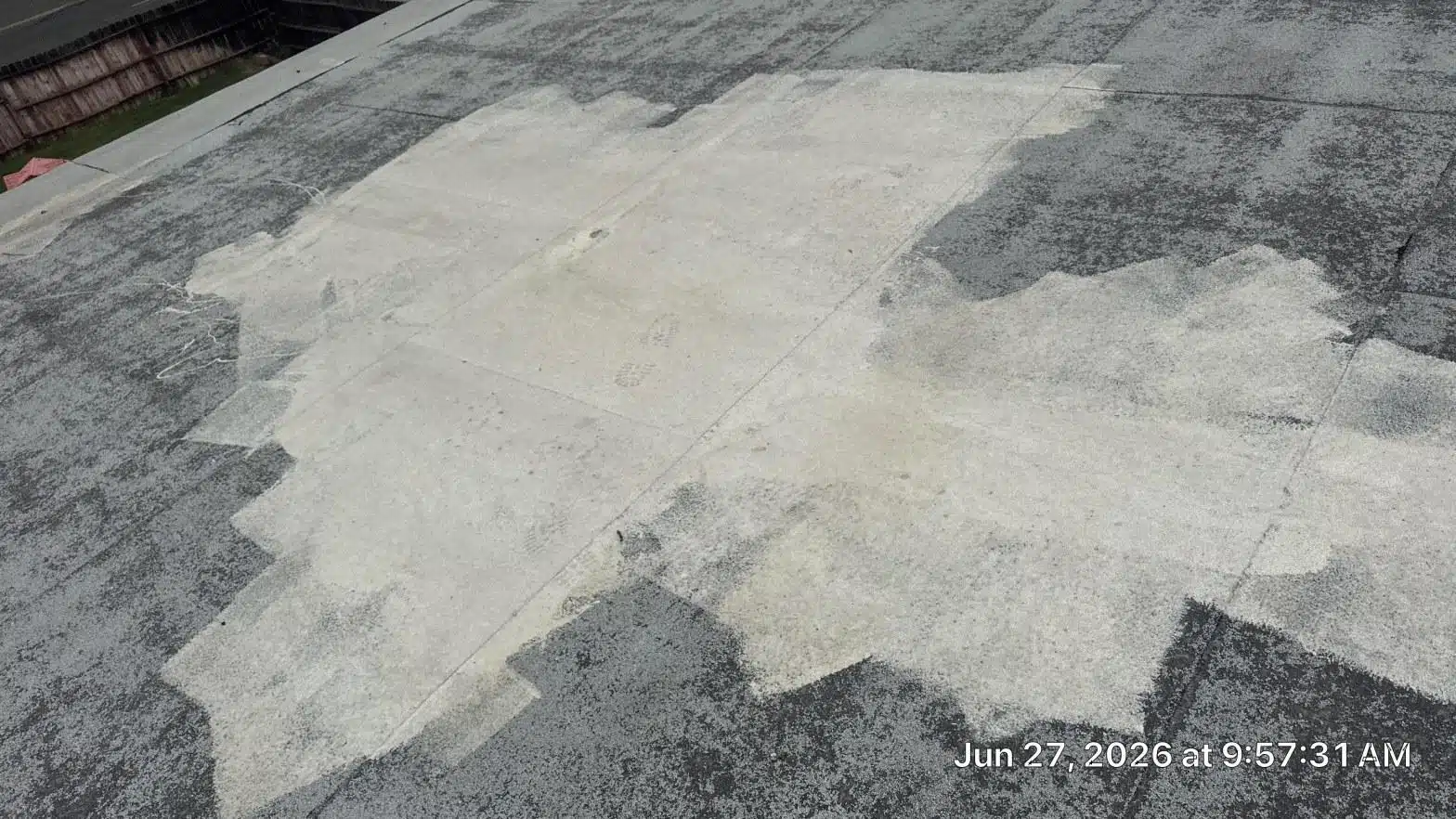
Six factors consistently move flat roof repair prices cost up or down more than anything else. Understanding each one helps homeowners evaluate quotes and avoid surprises.
- Membrane type: EPDM (rubber), TPO, PVC, modified bitumen, and built-up roofing (BUR) each have different material costs and labor demands. TPO and PVC membranes require heat-welded seams, which adds labor time compared to adhesive-bonded EPDM patches.
- Damaged area size: Contractors measure flat roofs in squares (1 square equals 100 square feet). A repair covering less than 1 square is priced very differently from one covering 5 or more squares.
- Deck condition: If water has soaked through the membrane into the plywood or OSB decking, that substrate must be replaced before the new membrane goes down. Deck replacement typically adds $2 to $5 per square foot to the total.
- Roof access and height: A single-story home with an accessible flat section costs less to work on than a multi-story commercial building requiring staging or special equipment.
- Drainage and flashing condition: Damaged or improperly sloped drains, scuppers, and flashing around HVAC curbs and skylights often need repair at the same time as the membrane. Ignoring them leads to repeat leaks.
- Regional labor rates: Labor costs in Southern California, particularly in Los Angeles County and surrounding areas, generally run higher than the national average. Bureau of Labor Statistics wage data shows roofing labor wages in California among the highest in the country, which flows directly into contractor bids.
How Do Flat Roof Repair Prices Compare by Membrane Type?
Membrane type is the single biggest variable in flat roof repair prices cost, because materials and installation methods differ significantly across systems. The table below shows typical regional market ranges for common repair scenarios as of 2026.
| Repair Scenario | Typical Market Range (CA) | What’s Usually Included |
|---|---|---|
| EPDM patch repair (under 50 sq ft) | $300 to $700 | Membrane patch, adhesive, seam sealing, basic inspection |
| TPO or PVC seam repair | $500 to $1,200 | Heat-welded seam repair, flashing check, surface cleaning |
| Modified bitumen section replacement (1-3 squares) | $1,200 to $3,500 | Tear-off of damaged section, new membrane, flashing, drainage check |
| Built-up roof (BUR) blister and crack repair | $800 to $2,500 | Surface prep, new gravel or cap sheet, sealing |
| Flat roof repair with deck replacement (3-5 squares) | $3,500 to $8,000+ | Deck tear-out, new plywood, new membrane, flashing, drainage |
Our team handles leaky roof repair calls across the region year-round, and we consistently see that EPDM systems installed before 2010 account for roughly 60% of the blister and seam failures we diagnose, largely because older adhesive formulas degrade faster under California’s UV load.
EPDM systems installed before 2010 account for roughly 60% of the blister and seam failures we diagnose, largely because older adhesive formulas degrade faster under California's UV load.
California’s Title 24 building energy standards also influence material choices. Cool-roof requirements under Title 24 mean that many flat roof repairs in California must use membranes with a minimum Solar Reflectance Index (SRI) rating, which can affect which products a contractor specifies and their cost.
What Is NOT Included in a Standard Flat Roof Repair Quote?
Most flat roof repair quotes cover only the identified damage area and the membrane layer directly above it. Several common add-ons catch homeowners off guard when they appear on the final invoice.
- Structural deck replacement: If the plywood or OSB underneath is rotted or delaminated, that is almost always a separate line item. Contractors cannot always confirm deck condition until the old membrane is peeled back.
- Drain and scupper repair: Clogged or deteriorated drains are a leading cause of flat roof leaks, but clearing and repairing them is typically priced separately from the membrane work.
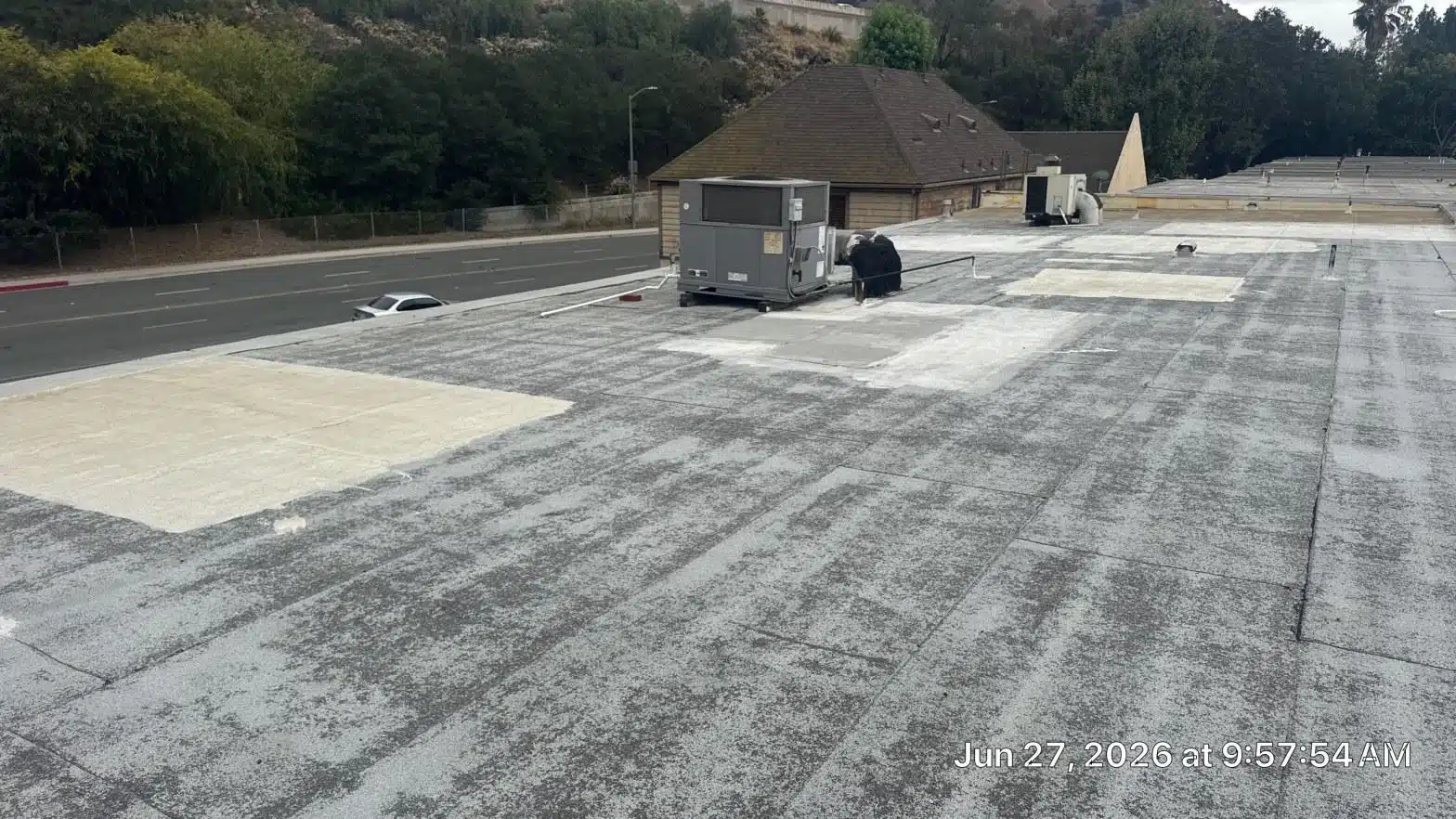
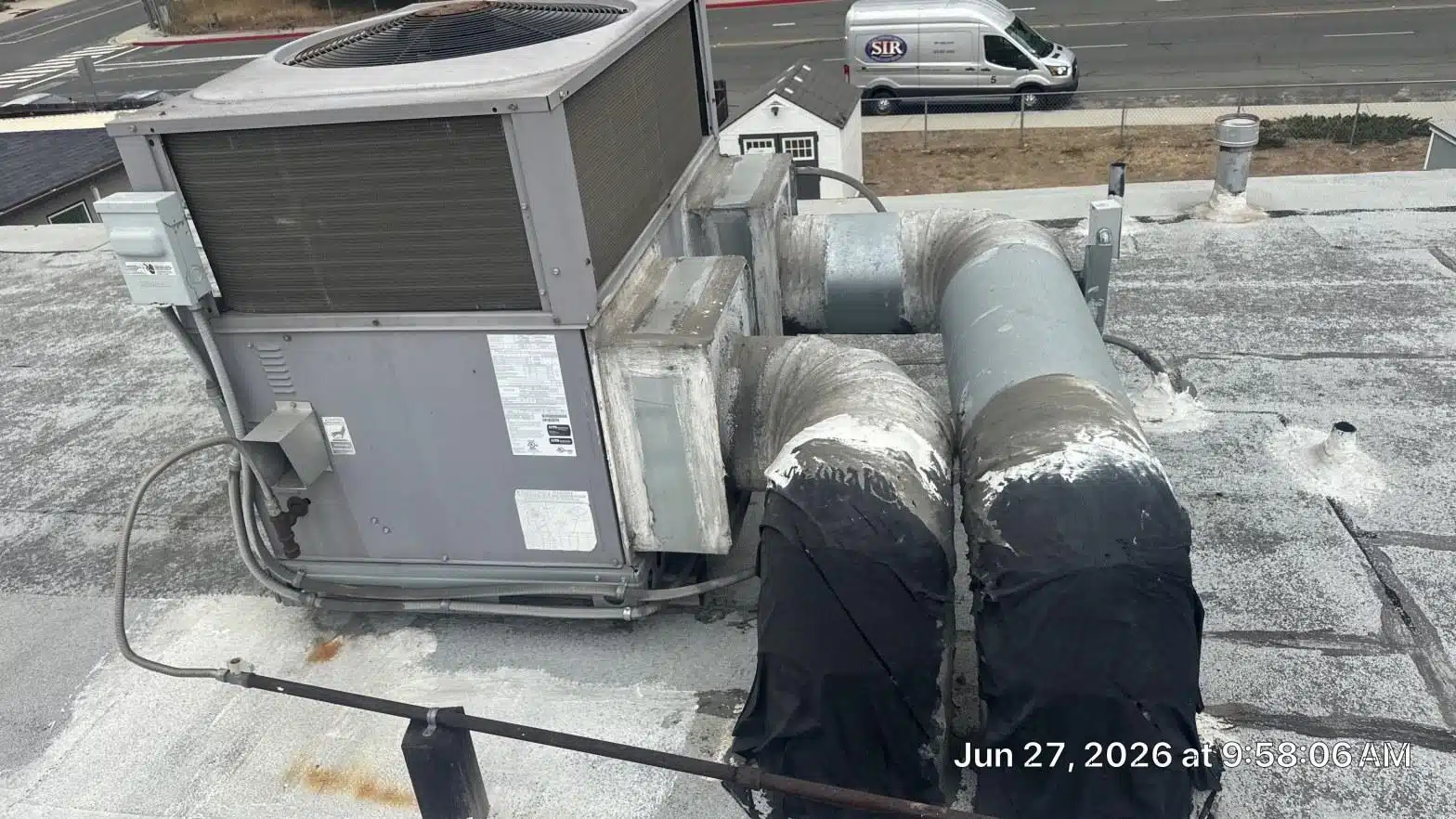
- HVAC curb flashing: Air conditioning units and other rooftop equipment sit on curbs with their own flashing. If that flashing has failed, it needs its own repair.
- Permits: Some California jurisdictions require a permit for flat roof repairs that exceed a certain square footage. Permit fees vary by county and are rarely included in an initial estimate.
- Interior water damage: Mold remediation, drywall replacement, or insulation removal caused by a long-running leak are handled by separate trades and are not part of a roofing quote.
- Roof maintenance coatings: Elastomeric or reflective coatings applied over a repaired membrane to extend its life are a separate service. Roof maintenance services like annual coating inspections are also priced independently.
How Do You Know If Your Flat Roof Needs Repair or Full Replacement?
A flat roof generally makes more financial sense to repair when less than 25% of the membrane surface is damaged and the underlying deck is sound. When damage covers more than 25 to 30% of the roof area, or when multiple layers of previous repairs are already stacked up, replacement often costs less over a 10-year horizon than repeated patching.
Here are the key signs that point toward repair rather than replacement:
- A single isolated blister, crack, or puncture with no deck damage beneath it
- Flashing failure around one penetration (a vent, skylight, or HVAC curb) with the field membrane still intact
- A roof that is less than 10 years old and has not had prior major repairs
- Ponding water that is caused by a clogged drain rather than improper slope
Signs that lean toward full replacement include:
- Widespread alligatoring (a cracked, scaly surface texture across large sections)
- Multiple active leaks in different areas of the roof
- A membrane that is 20 or more years old and past its rated service life
- Soft spots across the deck indicating widespread rot
According to the National Roofing Contractors Association, most single-ply flat roof membranes carry a rated service life of 20 to 30 years under normal conditions. California’s high UV exposure can shorten that to 15 to 20 years for uncoated systems.
Across our service calls in the region, we find that roughly 1 in 3 homeowners who call about a leaking roof repair on a flat roof actually need a full replacement because the membrane is past its service life and multiple layers of prior patches have already been applied. Catching problems at the first sign of a leak, rather than waiting a season, almost always keeps the job in repair territory.
How to Get an Accurate Flat Roof Repair Quote
The most accurate flat roof repair quotes come from contractors who physically inspect the roof and probe suspect areas, not from phone estimates. Have the following information ready before you call.
- Roof age and membrane type: Check your original permit or any prior contractor invoices. Knowing whether you have EPDM, TPO, modified bitumen, or BUR saves significant time during the inspection.
- Approximate roof size: Even a rough square footage helps a contractor allocate inspection time and material estimates before arriving.
- Location and description of the leak: Note where interior water staining appears. On flat roofs, the leak entry point is often several feet from where water shows up inside because water travels along the deck before dripping through.
- History of prior repairs: If the roof has been patched before, let the contractor know. Multiple layers of patches affect how the new repair is approached and priced.
- Photos of visible damage: Blisters, cracks, pooling water, or damaged flashing captured on your phone give the contractor a head start and reduce surprises during the inspection.
Always ask for a written, itemized quote that separates membrane labor, materials, deck work (if any), and disposal fees. Roofing contractors in California are required to be Licensed by the California Contractors State License Board (CSLB). Verify any contractor’s license number on the CSLB website before signing a contract. A valid CSLB license confirms the contractor carries workers’ compensation and liability insurance, which protects you if something goes wrong on your property.
Request a Custom Quote for Your Flat Roof Repair
The market ranges in this guide give you a solid starting point for budgeting, but your actual project cost depends on the specific condition of your roof, your membrane type, and what the inspection reveals beneath the surface. Market averages do not replace a site-specific assessment.
Roof Repair & Construction Inc. inspects flat roofs across the Los Angeles area and provides written, itemized quotes so you know exactly what you are paying for before any work begins. The company is licensed and insured, and its team works with all major flat roof membrane systems including EPDM, TPO, PVC, modified bitumen, and built-up roofing.
Call (323) 474-1088 to schedule a flat roof inspection and get a written quote tailored to your specific roof. Do not wait on a suspected leak. On flat roofs, even a small breach can saturate the deck within a single rainy season, turning a $500 patch into a $5,000 deck-and-membrane replacement.
On flat roofs, even a small breach can saturate the deck within a single rainy season, turning a $500 patch into a $5,000 deck-and-membrane replacement.
Explore our full range of Roof Repair services across Southern California.
Frequently Asked Questions
How much does it cost to fix a leaking flat roof?
In the California market, fixing a leaking flat roof typically costs between $300 and $1,500 for a small isolated leak and $1,500 to $8,000 or more if the damaged area is large or the deck beneath is compromised. The exact cost depends on the membrane type, the size of the breach, and whether any structural decking needs to be replaced. Getting a written, itemized quote after a physical inspection is the only way to know your actual cost. Roof Repair & Construction Inc. can provide that inspection at (323) 474-1088.
How do I know if my flat roof can be repaired or needs to be replaced?
A flat roof is generally a good candidate for repair when less than 25% of the membrane surface is damaged and the plywood deck underneath is dry and structurally sound. If the membrane is 20 or more years old, has widespread cracking or alligatoring, or has multiple layers of prior patches, replacement usually makes more financial sense over a 10-year period. A licensed contractor can probe the deck and assess the membrane condition to give you a clear recommendation.
What is the most common cause of flat roof leaks?
The most common causes of flat roof leaks are failed or lifted flashing around roof penetrations like HVAC units, skylights, and vents, along with seam failures in the membrane where sections are joined. Clogged drains that cause water to pond on the surface for extended periods are also a leading cause, because standing water puts constant pressure on any weak point in the membrane. Regular roof maintenance, including drain cleaning and seam inspections, can prevent most of these failures.
Does California require a permit to repair a flat roof?
Permit requirements for flat roof repairs vary by city and county in California. Minor patch repairs often do not require a permit, but larger repairs that involve replacing structural decking or a significant portion of the membrane may trigger a permit requirement in many California jurisdictions. Your contractor should be familiar with local rules and can advise you on whether a permit is needed for your specific project. All roofing contractors in California must be Licensed by the California Contractors State License Board (CSLB).
How long does a flat roof repair usually last?
A properly executed flat roof repair on a membrane that still has useful life remaining can last 5 to 15 years, depending on the membrane type, the quality of the repair, and how well the roof is maintained afterward. EPDM and TPO repairs with heat-welded or properly adhered seams tend to hold up well, especially when paired with an annual roof maintenance inspection to catch new issues early. Repairs on a membrane that is already at or past its rated service life are more likely to fail within a few years, which is why replacement is sometimes the smarter investment.