California summers are brutal on roofing materials, and a missed inspection in August can mean a leaking roof by the first fall rain. This guide walks you through every task that protects your home before the season turns.
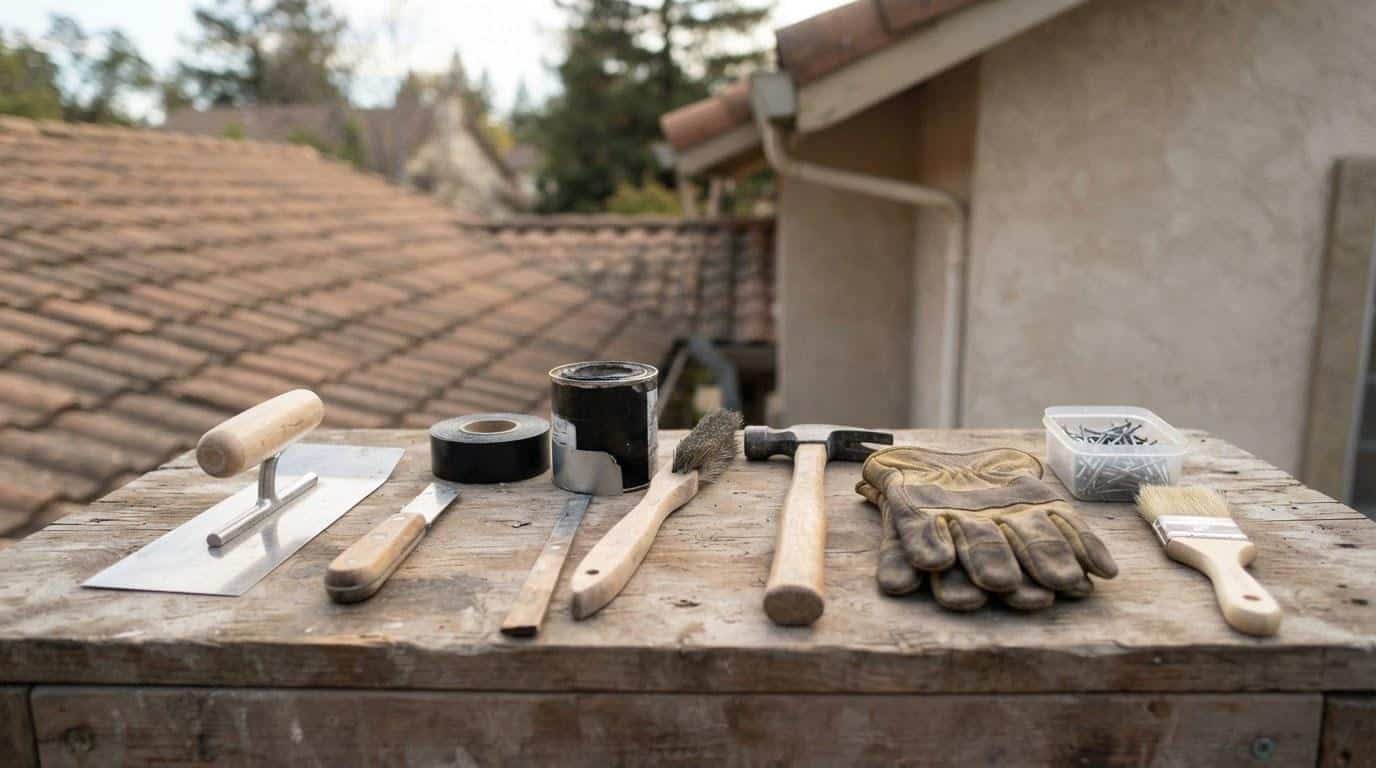
A complete summer roof maintenance checklist for California homeowners covers shingle or tile condition, flashing integrity, gutter flow, attic ventilation, and flat-roof membrane health. Running through these checks in July or August gives you time to schedule affordable roof repair before the first fall storm arrives. California’s climate creates a unique problem: months of intense UV exposure, heat, and dry conditions weaken roofing materials quietly, so damage that started in June often shows up as a leaking roof in November. This guide covers every task, the right frequency, what a professional inspection includes, and the red flags that mean you need help now.
Why Does Summer Roof Maintenance Matter So Much in California?
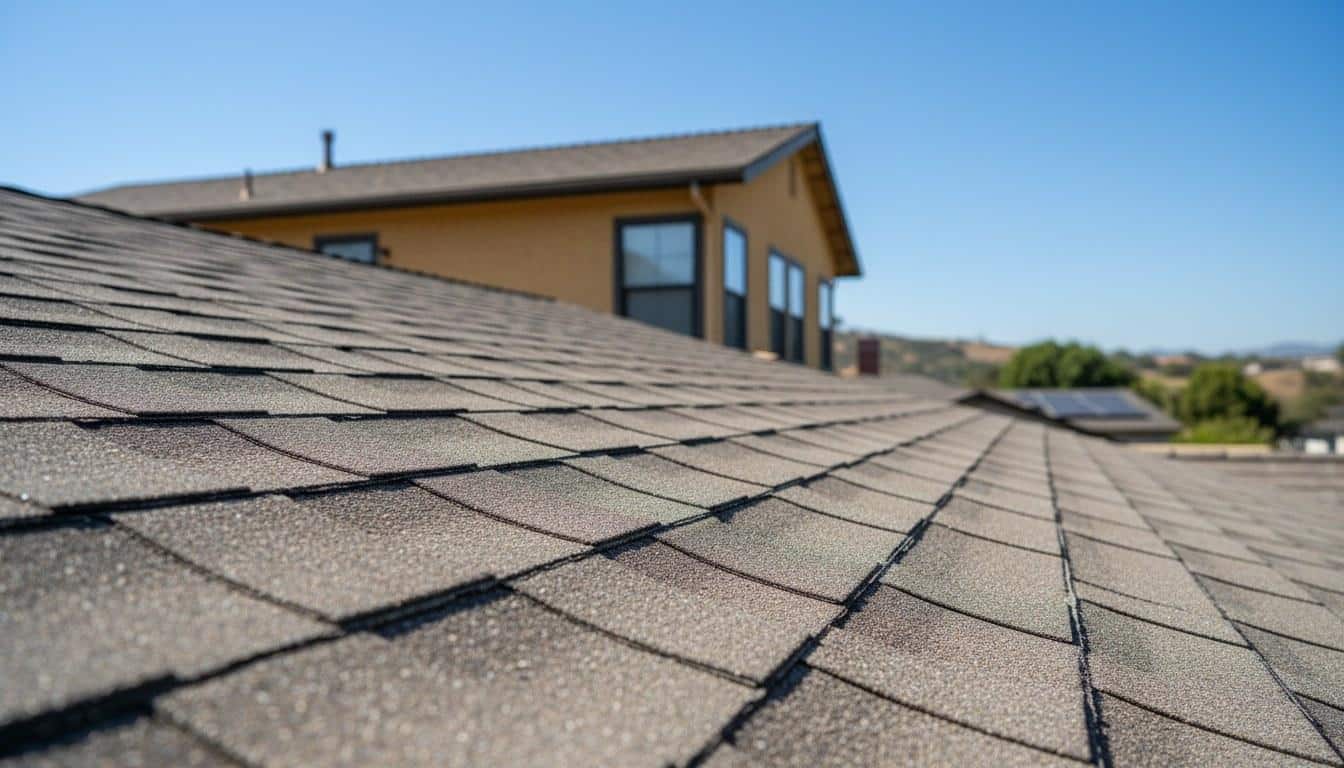
California roofs face UV radiation levels that are among the highest in the contiguous United States, and surface temperatures on a dark asphalt shingle roof can reach 150 to 170 degrees Fahrenheit on a 95-degree day. That thermal stress causes shingles to expand and contract repeatedly, loosening nails, cracking sealants, and accelerating granule loss. By August, a roof that looked fine in April may already have compromised flashing or dried-out caulk around penetrations.
Surface temperatures on a dark asphalt shingle roof can reach 150 to 170 degrees Fahrenheit on a 95-degree California day, causing shingles to expand and contract repeatedly until nails loosen and sealants crack.
California also has a pronounced wet-dry cycle. NOAA data shows that much of Southern California receives more than 80 percent of its annual rainfall between November and March. That means a roof weakened by summer heat gets hit hardest right when conditions turn wet. Catching damage in summer is the most cost-effective window for roofing maintenance services in California.
Catching damage in summer is the most cost-effective window for roofing maintenance services in California, because repairs made in dry weather cure fully before the first rain arrives.
Our crews handle a significant volume of emergency leak calls every October and November, and in roughly 7 out of 10 cases the underlying damage, cracked flashing, lifted shingles, or a blistered flat-roof membrane, was already present in August and simply went unnoticed. A two-hour summer inspection prevents most of those emergency calls.
What Is on the Summer Roof Maintenance Checklist for California Homeowners?
The core summer roof maintenance checklist for California homeowners has eight categories, each targeting a failure mode that the dry season accelerates. Work through them in order from the ground up, then from the attic down, so you do not miss anything.
- Shingle or tile inspection: Look for cracked, curled, buckled, or missing shingles. On tile roofs, check for cracked or slipped tiles, which are common after the expansion and contraction of a hot summer.
- Granule loss check: Inspect gutters and downspout outlets for heavy granule accumulation. Losing granules exposes the asphalt mat to UV and shortens the roof’s remaining life significantly.
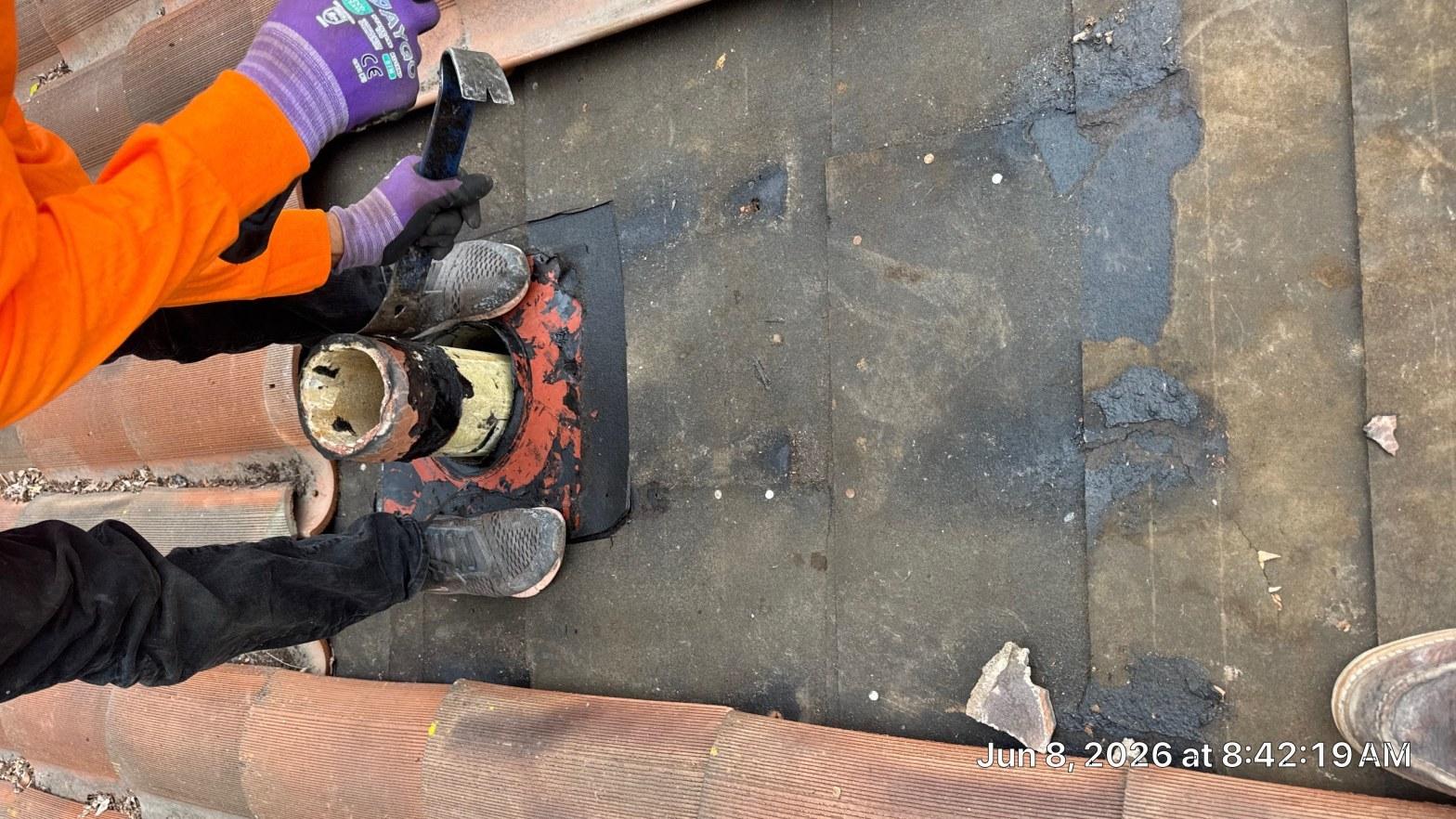
- Flashing review: Check all metal flashing at chimneys, skylights, vents, and wall junctions. Sealant around flashing typically lasts 5 to 10 years and dries out faster in hot climates.
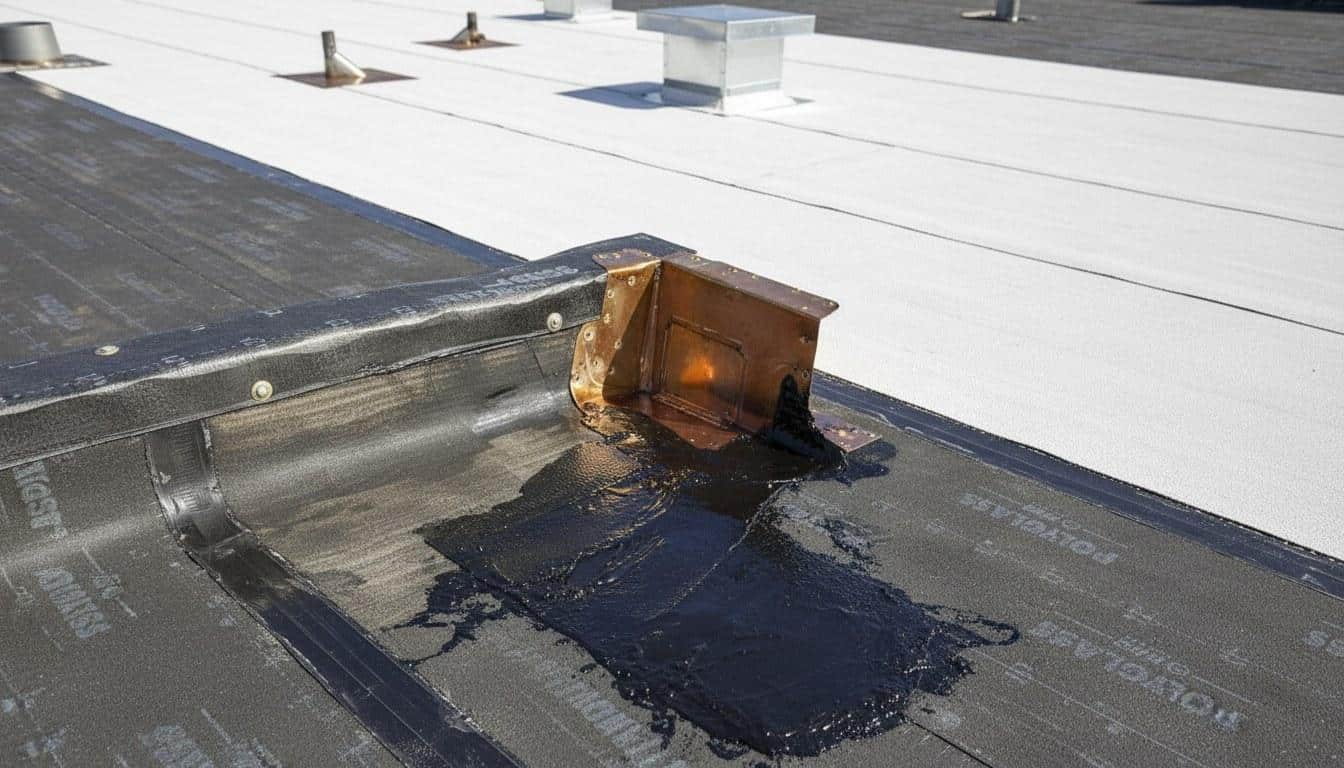
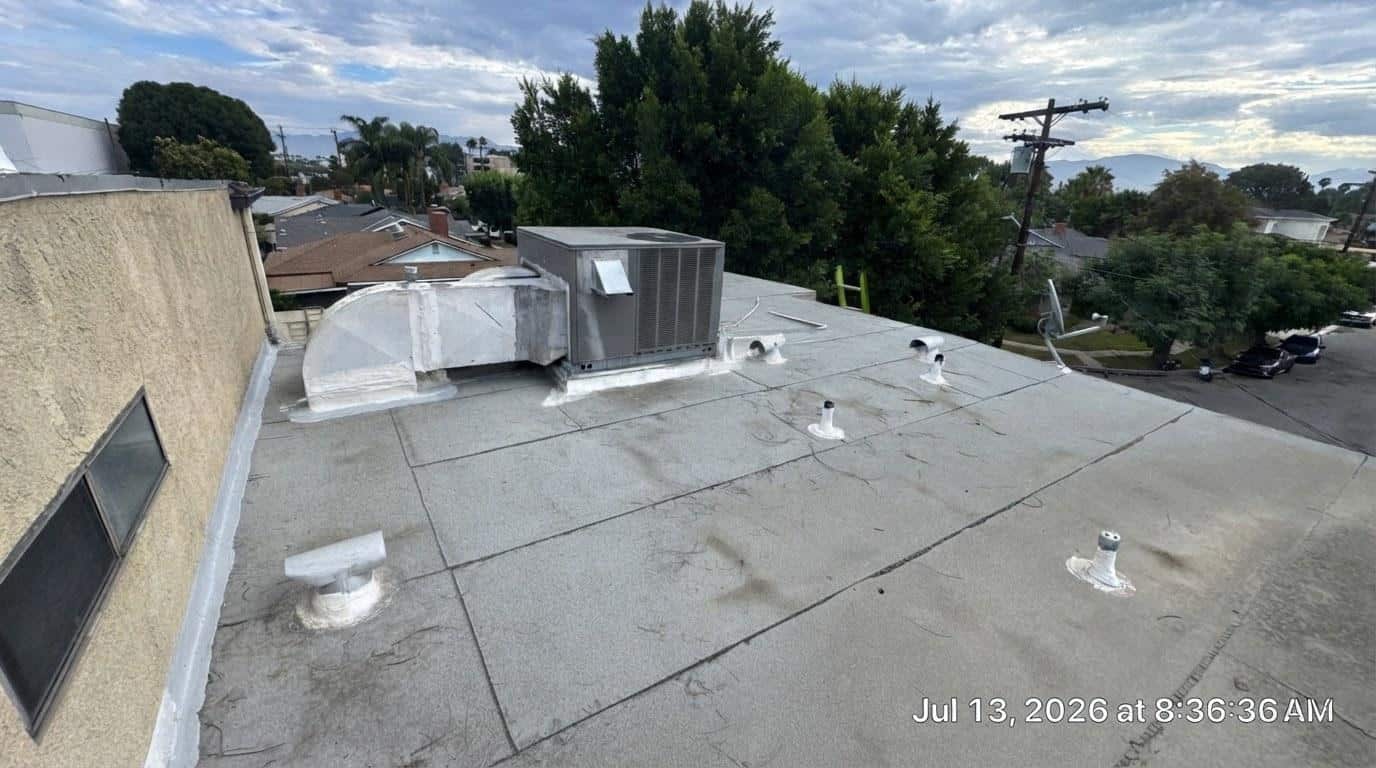
- Flat or low-slope membrane: Look for blistering, bubbling, ponding areas, or seam separations on any flat section. Blistering is a direct result of summer heat and can lead to a leaking flat roof within one season.
- Gutter and downspout clearing: Remove debris so water drains freely when rain arrives. Blocked gutters cause water to back up under the eave, a common source of interior ceiling stains.
- Attic ventilation check: Confirm ridge vents, soffit vents, and any powered attic fans are unobstructed. Poor ventilation traps heat above 130 degrees in the attic space, which degrades roof decking and accelerates shingle aging from below.
- Fascia and soffit condition: Inspect for rot, pest damage, or paint failure. Damaged soffits let moisture and pests into the attic.
- Tree and debris clearance: Trim branches to maintain at least 6 feet of clearance from the roof surface. Overhanging limbs deposit debris, hold moisture, and can fall during a storm.
What Should You Do Each Season to Protect Your Roof?
Roof maintenance is most effective when it follows a four-season rhythm, with the heaviest work happening in late summer and early spring. Each season has a distinct set of risks in California’s climate.
Summer (June through September)
- Complete the full checklist above before September.
- Check attic temperature and ventilation performance.
- Inspect flat-roof membranes for blistering after peak heat months.
- Clear gutters of dry debris before fire season wind events.
- Apply fresh sealant to any flashing joints showing cracks or gaps.
Fall (October through November)
- Clear gutters again after early leaf fall and before first rains.
- Confirm all downspouts drain at least 3 to 4 feet away from the foundation.
- Check for any storm damage after the first significant rain event.
- Inspect interior ceilings for new stains that indicate active leaks.
Winter (December through February)
- After heavy rain, walk the perimeter and look for displaced tiles or shingles.
- Check attic insulation for moisture, which signals an active leak above.
- Clear any debris that accumulates in valleys or low-slope sections.
Spring (March through May)
- Schedule a post-winter professional inspection to document any storm damage before it worsens.
- Photograph any lifted or cracked areas for insurance documentation.
- Clean moss or algae growth, which is more common in shaded areas after a wet winter.
- Confirm all flashing sealant survived the wet season intact.
| Task | Frequency | DIY or Pro? |
|---|---|---|
| Shingle or tile visual inspection | Twice a year (summer and spring) | DIY (binoculars from ground) or Pro |
| Gutter and downspout clearing | Three times a year minimum | DIY |
| Flashing sealant inspection and resealing | Annually | Pro recommended |
| Flat-roof membrane check | Twice a year (summer and after rainy season) | Pro recommended |
| Attic ventilation and insulation check | Annually in summer | DIY or Pro |
| Tree and branch clearance | Annually or after storms | DIY or Arborist |
| Granule loss assessment | Annually | Pro recommended |
| Full professional roof inspection | Every 1 to 3 years | Pro |
How Much Does Roof Maintenance Cost in California?
Routine roofing maintenance services in California typically range from $150 to $500 for a professional inspection and minor repairs, while more involved work such as flashing replacement or flat-roof patching generally runs from $400 to $1,500 depending on the scope. A full roof replacement on a standard California single-family home ranges from $8,000 to $25,000 or more, which is why catching problems early through annual maintenance is so cost-effective.
Several factors move the cost up or down within those ranges:
- Roof pitch and access: Steeper roofs require more safety equipment and take longer to inspect and repair.
- Roof size: Costs are often quoted per square (100 square feet), so a 2,500-square-foot roof costs more to service than a 1,200-square-foot one.
- Material type: Tile, metal, and built-up flat roofs each require different techniques and materials, which affects labor rates.
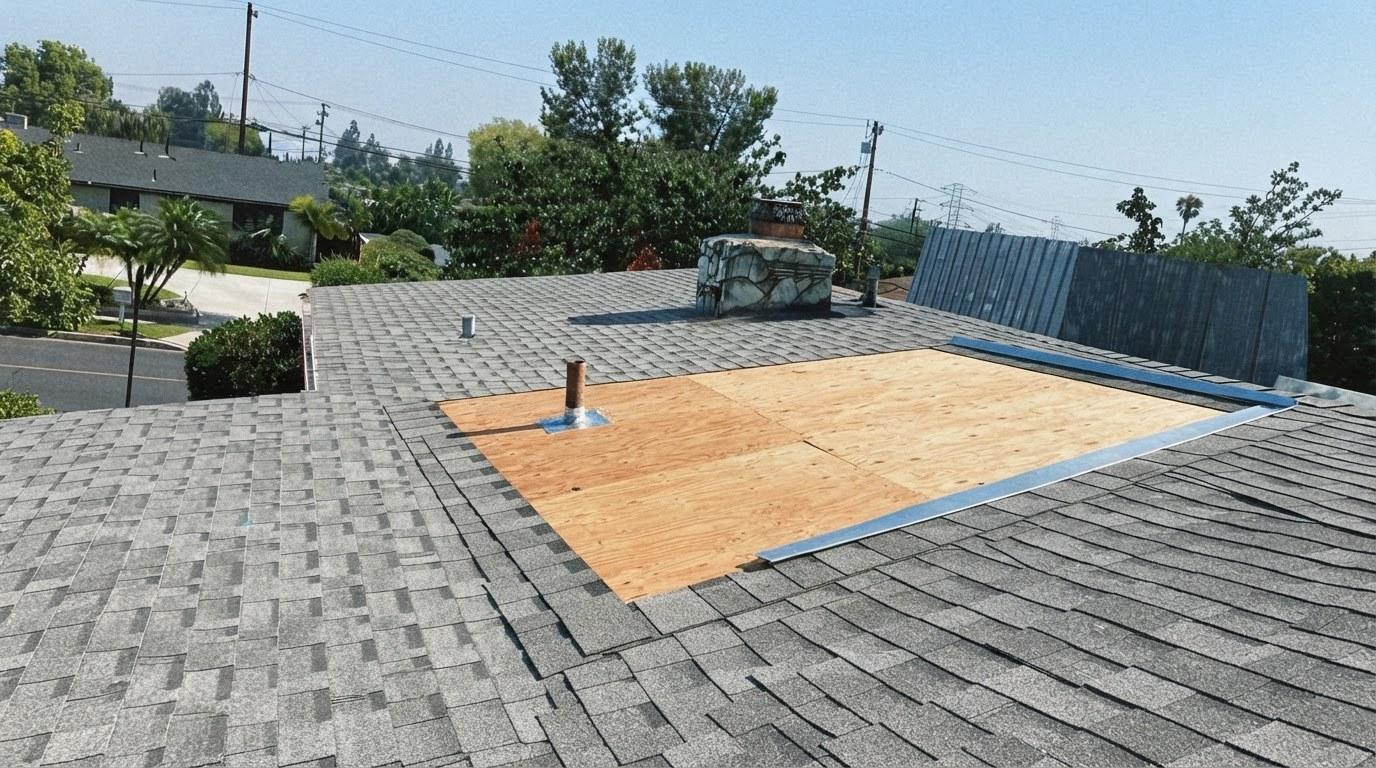
- Extent of damage found: A simple sealant refresh costs far less than replacing a 10-foot section of damaged decking under lifted shingles.
- Contractor licensing and insurance: Working with a contractor licensed by the California Contractors State License Board (CSLB) adds accountability and protects you if something goes wrong on the job.
As of 2026, California homeowners may also qualify for energy-related incentives when roof work includes improved insulation or cool-roof coatings that meet California’s Title 24 building energy standards. Ask about cool-roof options when you request a quote, since qualifying materials can reduce attic temperatures by 20 to 30 degrees and lower cooling costs.
For a custom quote on your specific roof, call Roof Repair & Construction Inc. at (323) 474-1088. Pricing varies by scope, and a written estimate before any work begins protects you from surprises.
What Does a Professional Roof Inspection Include?
A thorough professional roof inspection typically takes 60 to 90 minutes and covers more than 15 checkpoints that are difficult or unsafe to assess from the ground. Roofing contractors in California who perform these inspections follow a systematic process that goes well beyond what a homeowner can see with binoculars.
A professional inspection generally includes:
- Walking the entire roof surface to check for soft spots, which indicate rotted decking beneath the surface material.
- Measuring granule depth on asphalt shingles to estimate remaining service life.
- Testing flashing adhesion at every penetration point, including chimneys, vents, pipes, and skylights.
- Inspecting ridge caps and hip tiles, which take the most UV exposure and fail first on tile roofs.
- Checking flat-roof seams and drains for separation or blockage.
- Entering the attic to look for daylight through the decking, moisture staining on rafters, and insulation compression from water intrusion.
- Documenting all findings with photos so you have a record for insurance claims or future repair planning.
After the inspection, a reputable contractor provides a written report with prioritized recommendations. Urgent items, meaning active leaks or structurally compromised areas, are separated from routine maintenance items so you can make informed decisions about timing and budget.
What Warning Signs Should You Watch for Between Services?
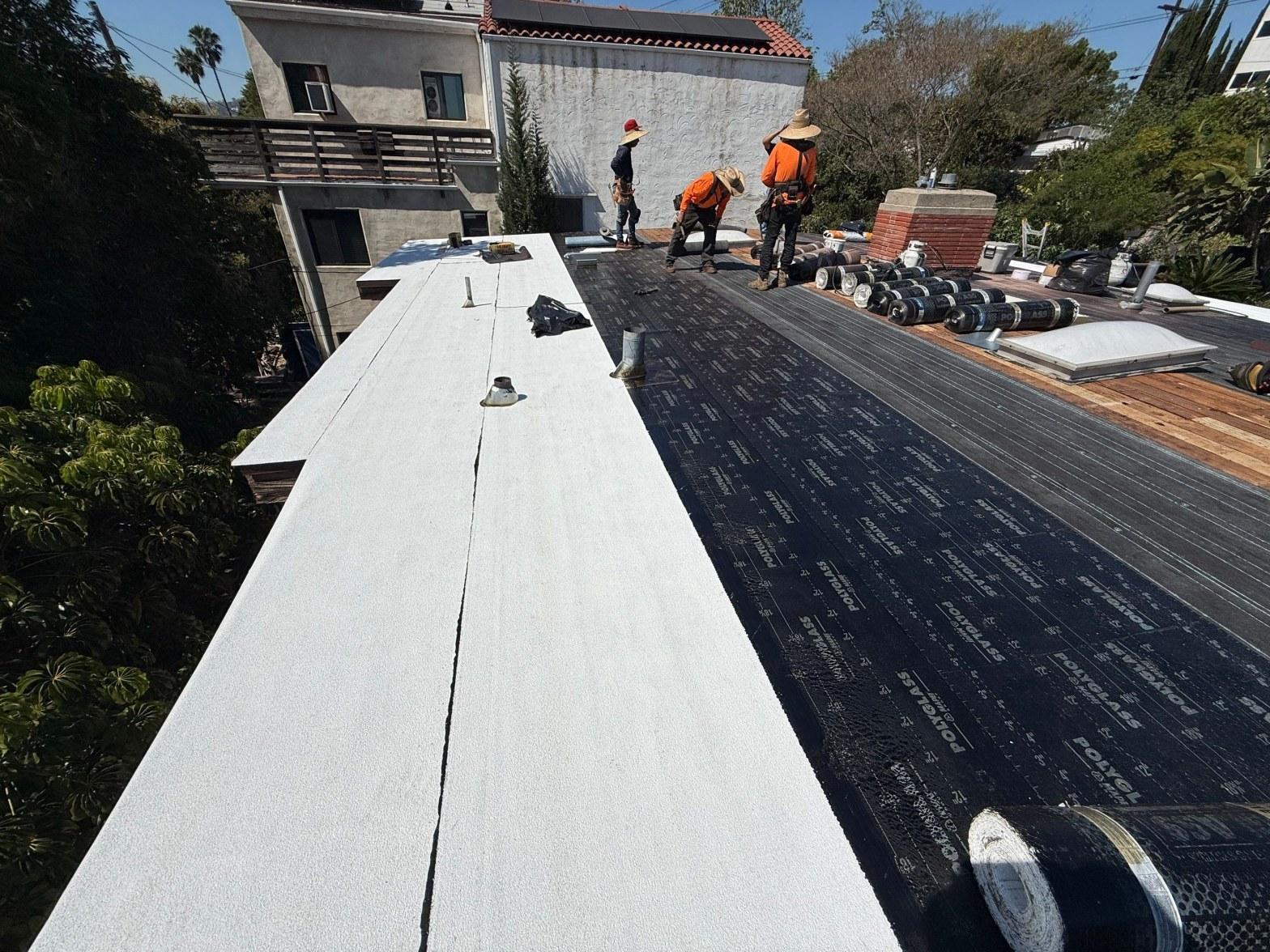
Several visible signs indicate your roof needs attention before the next scheduled inspection, and catching them early is the difference between a $300 repair and a $5,000 water damage claim. Do a quick visual check from the ground after any wind event or heat wave above 100 degrees.
- Interior ceiling stains: Brown or yellowish water stains on ceilings or walls are the most obvious sign of an active leaking roof. Even a small stain can represent significant moisture in the insulation above.
- Granules in gutters: A heavy accumulation of dark granules in the gutter after rain means shingles are deteriorating faster than normal.
- Visible daylight in the attic: Any pinhole of light visible from inside the attic during the day means there is a gap in the roof assembly.
- Lifted or curled shingle edges: Shingles that are visibly curling at the corners or lifted along the edges are no longer sealing properly and will leak in the next significant rain.
- Blistering or bubbling on flat sections: These are signs that heat has caused the membrane to delaminate. A blister that pops during a rain event becomes an immediate leak.
- Sagging areas: Any visible dip or sag in the roofline suggests decking or structural damage that needs professional evaluation right away.
- Moss or dark streaking: Green moss or black algae streaks indicate moisture retention, which accelerates material breakdown and can void some manufacturer warranties.
- Spike in cooling bills: A sudden increase in air conditioning costs without a change in usage often points to attic ventilation failure or insulation damage from a slow leak.
If you spot any of these signs, do not wait for the next scheduled inspection. Water damage compounds quickly, and affordable roof repair is always less expensive when the problem is caught before it spreads to the decking or interior framing.
Schedule Your Roof Maintenance Before the Rains Return
August is the best month to complete your summer roof maintenance checklist for California. The weather is dry, contractors have scheduling availability before the fall rush, and any repairs made now have weeks to cure before the first rain.
Roof Repair & Construction Inc. provides professional roof inspections, flashing repair, flat-roof patching, and full roofing maintenance services for homeowners across Southern California. Our team is licensed by the California Contractors State License Board (CSLB) and provides written estimates before any work begins.
Call (323) 474-1088 to schedule your inspection or request a custom quote. Do not let summer damage become a winter emergency. Book your appointment now and head into the rainy season with confidence.
Explore our full range of Roof Repair services across Southern California.
Frequently Asked Questions
How do I know if my roof is leaking even when it is not raining?
The most reliable signs of an active or past leak are brown or yellow stains on interior ceilings, a musty smell in the attic, and visible moisture or mold on roof rafters. You can also check the attic on a sunny day and look for any pinhole of daylight coming through the decking. If you find any of these signs, schedule a professional inspection as soon as possible because water damage spreads quickly once it reaches the insulation and framing.
How do I repair a leaking flat roof on my California home?
Temporary flat roof leak repair usually involves cleaning the damaged area, applying roofing membrane patch tape or a compatible sealant over the blister or seam separation, and pressing it firmly into place. This is a short-term fix. A permanent repair requires a professional to assess whether the membrane needs a full patch, a re-coat, or a section replacement, especially if the leak is at a drain or parapet wall junction. Flat roofs in California should be inspected at least twice a year because summer heat causes blistering that leads directly to leaks.
How often should California homeowners get a professional roof inspection?
Most roofing professionals recommend a full inspection every one to three years for roofs in good condition, and annually for roofs that are more than 15 years old or have a known history of leaks. In California, the best time is late summer, before the rainy season begins, so any damage found can be repaired while the weather is still dry. After any significant wind event or hailstorm, a post-event inspection is also a good idea regardless of how recently the last one was done.
What is the most common cause of roof leaks in California homes?
Failed flashing is the most common cause of roof leaks in California. Flashing is the metal or sealant layer at joints around chimneys, skylights, vents, and where the roof meets a wall. California's intense summer heat dries out the sealant around flashing faster than in cooler climates, and once it cracks, water finds a direct path into the structure. Granule loss on aging asphalt shingles is the second most common issue, leaving the asphalt mat exposed to UV and rain.
Does California have any rebates or incentives for roof maintenance or upgrades?
California homeowners who install qualifying cool-roof coatings or improve attic insulation as part of a roof project may be eligible for incentives under California's Title 24 building energy standards and certain utility rebate programs. As of 2026, the Inflation Reduction Act federal tax credit also provides credits for energy-efficient home improvements, which can include qualifying roofing materials. Ask your contractor to confirm which materials qualify before the work begins so you can capture the savings.