Filing a roof damage insurance claim in California involves specific documentation steps, adjuster deadlines, and state rules that most national guides miss entirely. This guide walks you through the full process so you can protect your home and your claim.
A roof damage insurance claim in California is governed by specific state rules on timelines, documentation, and adjuster conduct that most national guides never mention. This roof damage insurance claim california guide covers everything a homeowner needs: what policies typically cover, how to document damage correctly, what the California Department of Insurance (CDI) requires of your insurer, and how to avoid the mistakes that lead to underpayment or denial.
What Does a Roof Damage Insurance Claim in California Actually Cover?
Most standard homeowner policies in California cover sudden, accidental roof damage from events like wind, hail, fire, falling trees, and storm-driven rain. Damage that builds up slowly over time, such as wear from age or neglected leaking roof repair, is typically excluded as a maintenance issue.
California sits in a high-risk zone for multiple perils. NOAA data shows that Southern California regularly experiences damaging Santa Ana wind events with gusts exceeding 60 mph, which can lift shingles, crack flashing, and open gaps that allow water intrusion. Wildfire ember damage is also covered under most policies, which matters in a state where CAL FIRE reports hundreds of thousands of acres burned in recent fire seasons.
What is typically NOT covered includes:
- Gradual deterioration: Slow leaks and aging shingles that were never repaired.
- Improper installation: Damage traced back to a workmanship defect on a prior job.
- Flood damage: Rising water requires a separate NFIP or private flood policy.
- Earthquake damage: This requires a separate California Earthquake Authority policy.
- Mold resulting from a long-ignored leak: Insurers often deny mold claims when records show the leak was known and untreated.
Your policy will also specify whether it pays Actual Cash Value (ACV) or Replacement Cost Value (RCV). ACV deducts depreciation, so a 15-year-old roof may receive far less than the cost to replace it. RCV pays the full replacement cost, usually in two installments: an initial payment minus depreciation, then a recoverable depreciation check once repairs are complete. Always check which type your policy uses before you file.
How Do You Document Roof Damage Before Filing a Claim in California?
Strong documentation is the single most important thing you can do before calling your insurer. Adjusters are trained to look for evidence that damage is storm-related and sudden. Without clear photos, dates, and a written estimate, you give the insurer room to argue the damage is pre-existing or due to neglect.
Here is what to gather before you file:
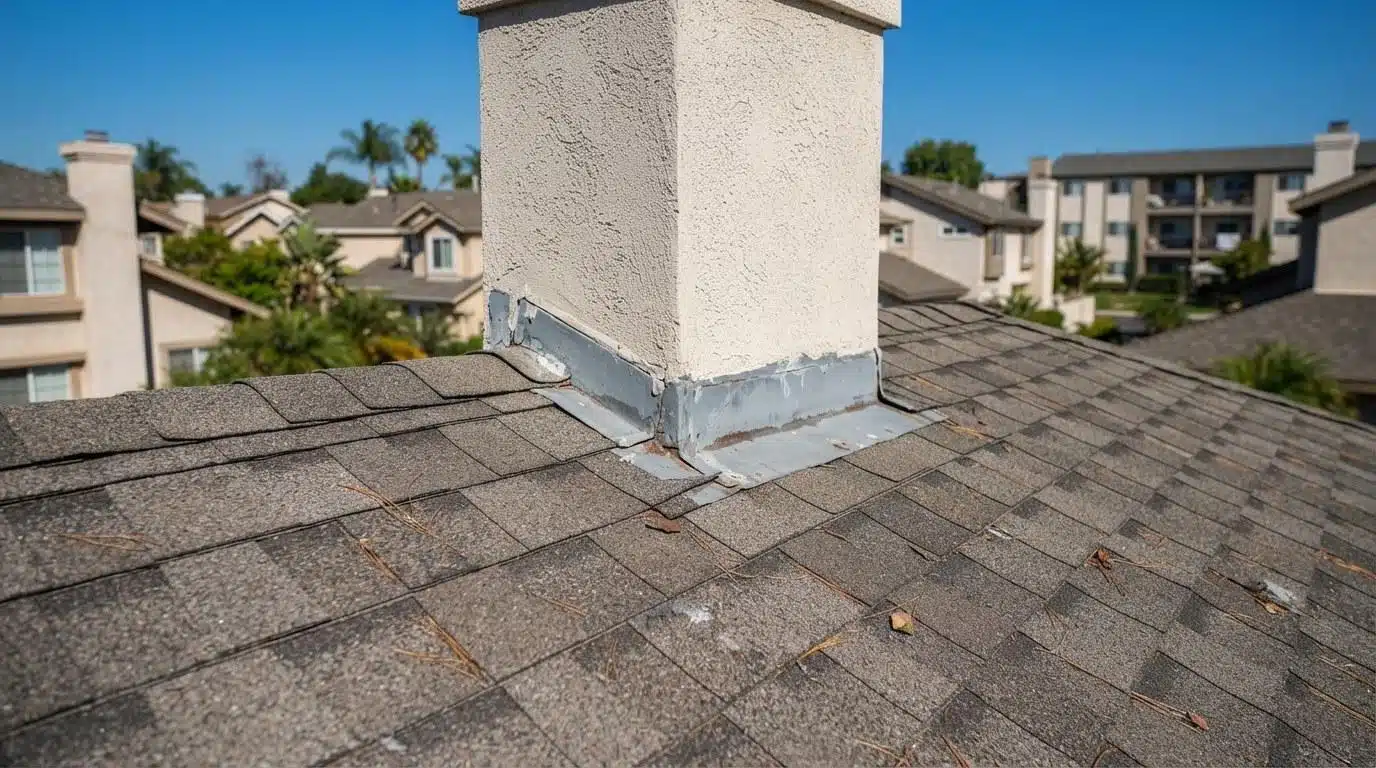
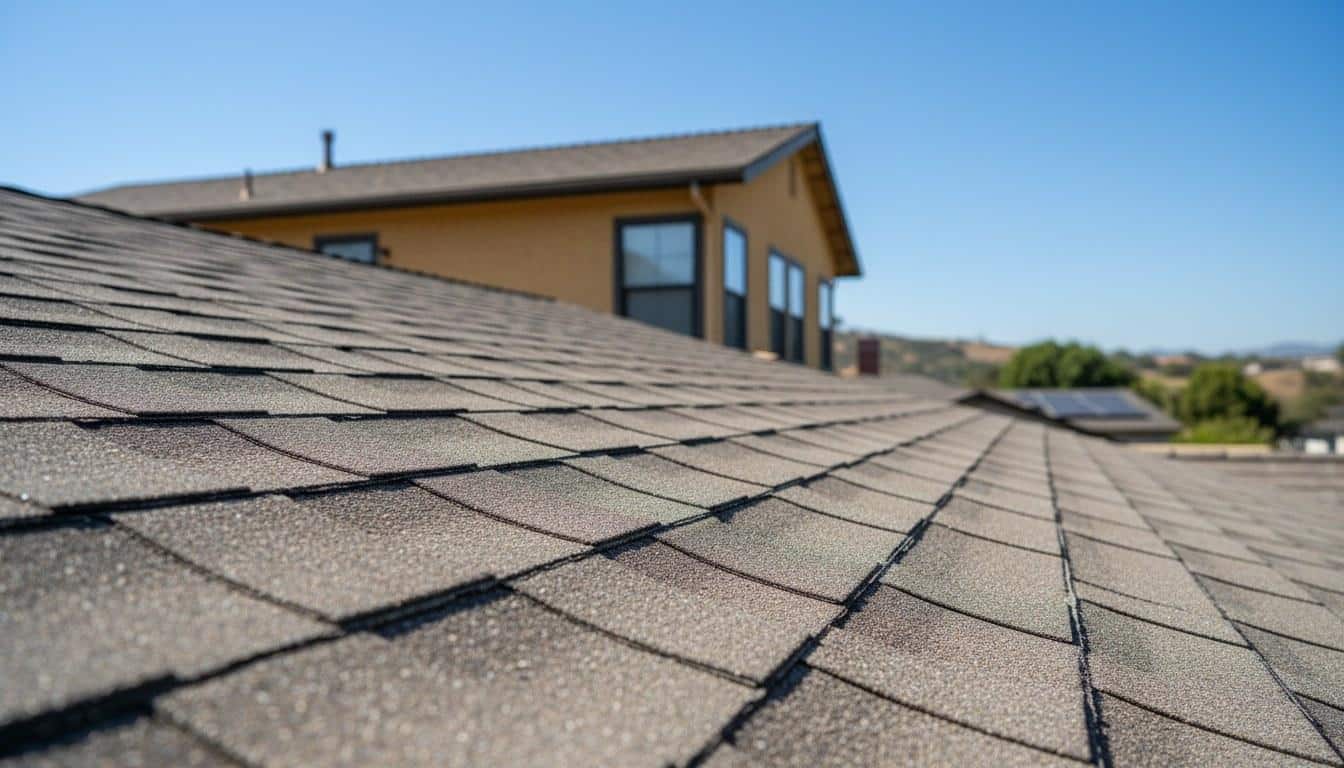
- Timestamped photos and video: Shoot the damage from multiple angles as soon as it is safe to do so. Include wide shots showing the whole roof and close-ups of specific damage points like lifted shingles, cracked flashing, or punctures.
- Weather records: Pull the official weather data for your area on the date of the event from weather.gov. Wind speed, rainfall totals, and storm reports are objective evidence that an insurable event occurred.
- A written repair estimate: Get a detailed written estimate from a licensed roofing contractor before the adjuster visits. This gives you a baseline to compare against the insurer’s own estimate.
- Your maintenance records: Receipts for past repairs, gutter cleanings, or inspections show the roof was maintained, which counters a neglect argument.
- Interior damage evidence: If water entered the home, photograph water stains, damaged drywall, or wet insulation. This strengthens the link between the roof breach and interior loss.
Our team responds to storm-damage calls across Southern California and on roughly 7 out of 10 calls we find that homeowners photographed the interior water stains but missed the actual entry point on the roof itself. Both matter: the entry point on the roof surface and the interior damage path together tell the complete story an adjuster needs.
Keep all documentation in a single folder, either physical or digital, with dates clearly labeled. You may need to submit this material more than once if the claim is reviewed or disputed.
What Are the California Department of Insurance Rules on Adjuster Timelines?
California law sets hard deadlines that your insurer must follow once you file a claim, and knowing them protects you from being stalled. These rules are enforced by the California Department of Insurance (CDI) under the Fair Claims Settlement Practices Regulations (California Code of Regulations, Title 10, Chapter 5, Subchapter 7.5).
The key deadlines are:
| Requirement | California Deadline |
|---|---|
| Acknowledge receipt of your claim | Within 15 calendar days |
| Begin investigation and contact you | Within 15 calendar days of acknowledgment |
| Accept or deny the claim in writing | Within 40 calendar days of proof of claim |
| Issue payment once liability is accepted | Within 30 calendar days of settlement agreement |
| Provide written explanation for any denial | Required at time of denial, citing specific policy language |
If your insurer misses these deadlines, you have the right to file a complaint with the CDI at no cost. As of 2024, the CDI handles tens of thousands of consumer complaints annually and has the authority to fine insurers for unfair claims practices. Documenting every phone call with the date, time, and name of the representative you spoke with gives you a clear record if you need to escalate.
California also requires insurers to provide a written explanation for any denial that cites the specific policy language used to justify it. A vague denial letter is itself a potential violation. If you receive one, request a written clarification in writing and keep a copy.
Step-by-Step: How to File a Roof Damage Insurance Claim in California
Filing a roof damage insurance claim in California follows a predictable sequence, and moving through each step in order reduces delays and disputes. Skipping steps or acting out of order, such as completing repairs before the adjuster visits, can void part of your claim.
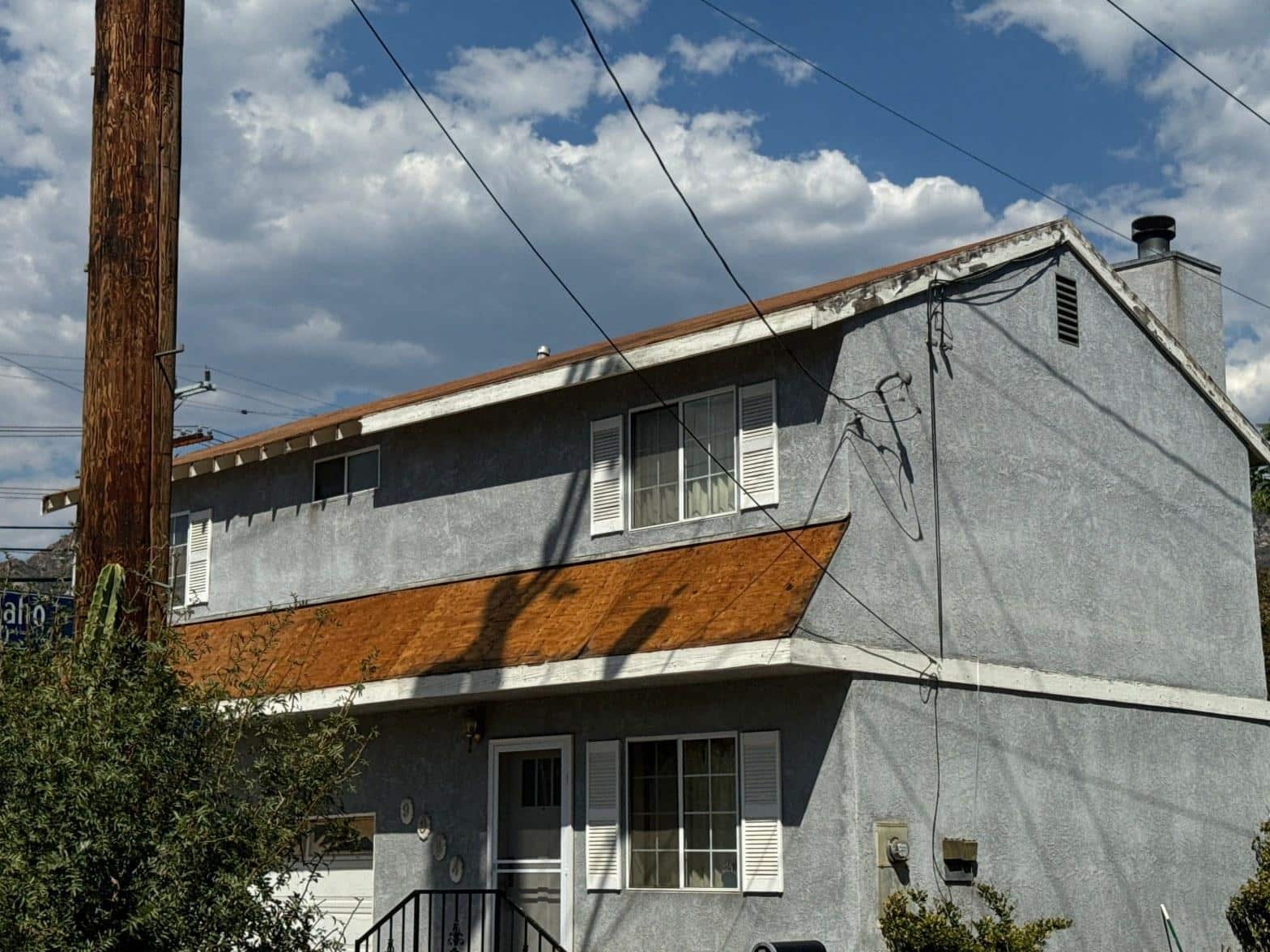
- Make emergency repairs to prevent further damage: You have a legal duty to mitigate further loss. Tarping an open section or boarding a damaged area is appropriate. Save all receipts. Do not make permanent repairs until the adjuster has inspected.
- Document everything: Follow the documentation checklist above before you call your insurer.
- Review your policy: Confirm your deductible, coverage type (ACV vs. RCV), and any exclusions before you file. Knowing your policy prevents surprises.
- File the claim promptly: Most policies require you to report damage within a reasonable time. Some have specific windows, such as 60 or 180 days. File as soon as possible after the event.
- Request a claim number and adjuster contact in writing: Get the name and direct contact for the adjuster assigned to your file. Start your timeline clock from the date you receive this information.
- Get an independent contractor estimate before the adjuster visit: Have a licensed roofing contractor inspect and document the damage in writing. This gives you a professional benchmark.
- Be present during the adjuster’s inspection: Walk the adjuster through every damage point you documented. Point out items they may overlook, such as damaged flashing, gutters, or skylights.
- Review the insurer’s written estimate carefully: Compare it line by line against your contractor’s estimate. Flag any missing line items or scope discrepancies in writing.
- Negotiate or invoke appraisal if estimates differ significantly: California policies include an appraisal clause that allows both sides to hire independent appraisers if they cannot agree on the damage amount. This is a formal process and is separate from litigation.
- Complete repairs and submit documentation for recoverable depreciation: If you have an RCV policy, submit your final paid invoices to receive the withheld depreciation payment.
What Are the Most Common Reasons Roof Claims Get Denied in California?
Most roof claim denials in California fall into a handful of predictable categories, and nearly all of them are avoidable with proper preparation. Understanding them before you file is the best defense.
- Pre-existing damage: The insurer argues the damage existed before the reported event. Counter this with dated maintenance records and pre-storm inspection reports.
- Wear and tear exclusion: Adjusters may classify storm damage as normal aging. A detailed contractor report that identifies the specific storm-caused failure points, such as lifted tabs or cracked ridge caps, is critical here.
- Late reporting: Filing weeks or months after a storm gives the insurer grounds to question causation. File within days of discovering damage.
- Failure to mitigate: If you knew about a leaking roof and did not arrange leaking roof repair promptly, the insurer may deny damage that worsened after the initial event.
- Policy lapse or non-payment: Confirm your premium payments are current before you file. A lapsed policy is a complete bar to recovery.
- Insufficient documentation: Claims with no photos, no weather records, and no contractor estimate are easy targets for low offers or outright denial.
If your claim is denied, you have 365 days from the denial date to request an internal appeal in most cases, and California law gives you additional remedies including CDI complaints and, in some cases, a bad faith lawsuit if the insurer acted unreasonably. Consult a licensed public adjuster or attorney if you believe a denial was improper.
How Does a Roofing Contractor Help You Through the Claims Process?
A licensed roofing contractor does more than fix the roof: they provide the technical documentation that supports your claim and helps ensure the insurer’s scope of work matches the actual damage. This is one of the most underused advantages homeowners have during the claims process.
A qualified contractor licensed by the California Contractors State License Board (CSLB) can provide:
- A written damage assessment that identifies storm-caused failure points by material and location.
- An itemized repair or replacement estimate in a format insurers recognize.
- Technical testimony during the adjuster’s inspection to explain why certain repairs are necessary.
- Documentation of code-required upgrades, since California building codes may require that replaced sections meet current standards, a cost the insurer should cover.
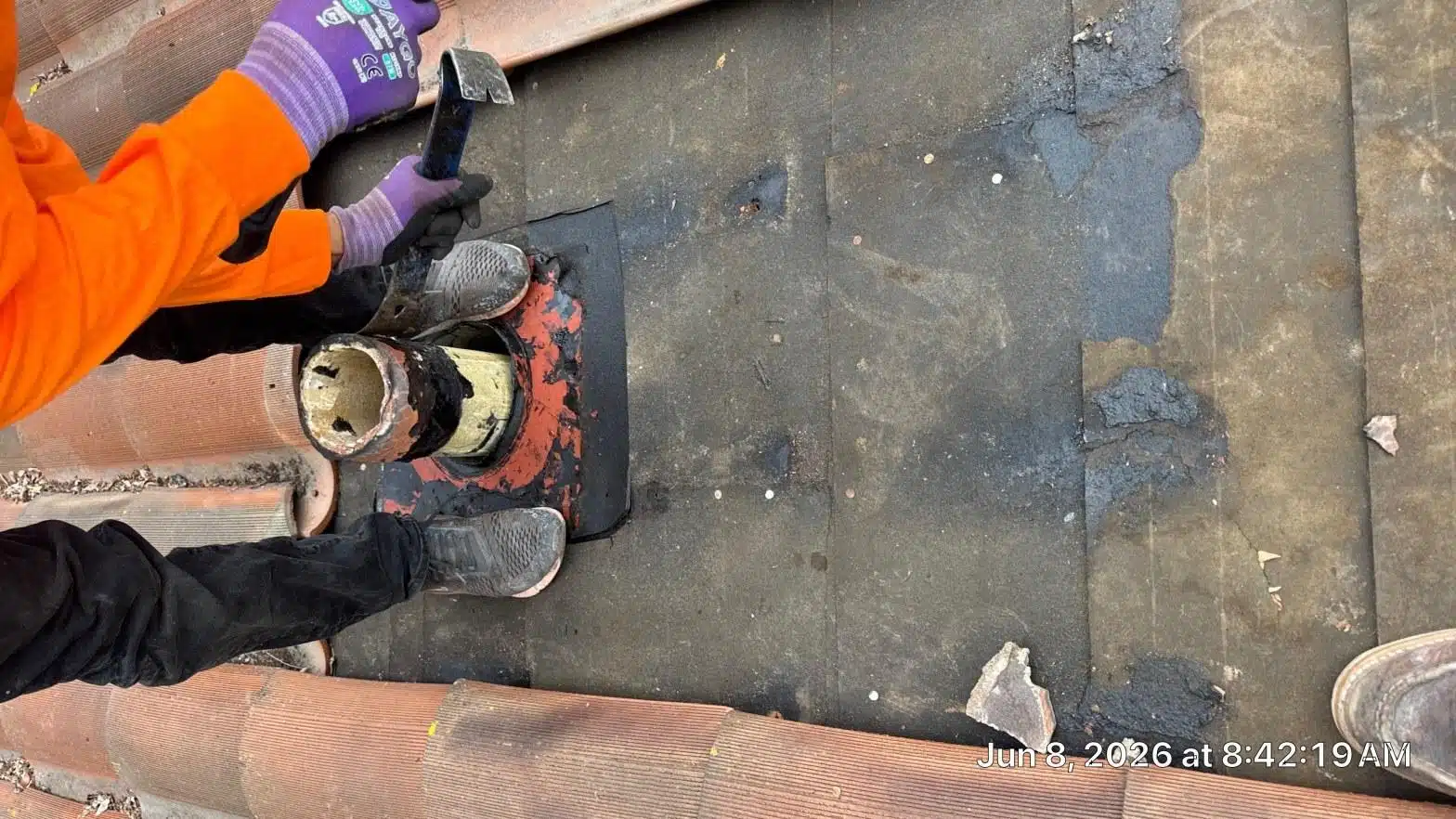
Across our service calls in Southern California, we find that insurer estimates miss secondary damage items, such as damaged roof decking under lifted shingles or corroded flashing at penetration points, on approximately 4 out of 10 inspections. Those missing line items can add up to several thousand dollars in unclaimed repairs.
Be cautious of any contractor who asks you to sign an Assignment of Benefits (AOB) agreement, which transfers your claim rights to them. California has restricted certain AOB practices, and signing one without legal advice can complicate your claim. A reputable contractor works with you and your insurer, not around you.
Roofing costs in California vary by scope, material, and roof complexity. In the regional market, emergency tarping typically runs a few hundred dollars, while partial shingle replacement projects generally range from $1,500 to $5,000, and full roof replacements on a standard single-family home can range from $10,000 to $25,000 or more depending on size, pitch, and material. These ranges are market context only. Request a custom quote for your specific property to get an accurate figure.
Get Professional Help With Your Roof Damage Claim
Navigating a roof damage insurance claim in California is faster and less stressful when you have a licensed roofing contractor in your corner from day one. Roof Repair & Construction Inc. helps homeowners across Southern California document storm damage, prepare contractor estimates that hold up to adjuster scrutiny, and complete repairs that meet current California building code requirements.
Whether you are dealing with wind-lifted shingles, fire and smoke roof damage, failed flashing, or a flat roof breach, the team at Roof Repair & Construction Inc. can inspect your roof, provide a detailed written estimate, and work alongside your insurer throughout the process. Call (323) 474-1088 to schedule your inspection and get a custom quote before your adjuster visit.
Explore our full range of Roof Repair services across Southern California.
Frequently Asked Questions
How long does a California insurance company have to settle my roof damage claim?
Under California law, your insurer must acknowledge your claim within 15 calendar days, then accept or deny it within 40 calendar days of receiving your proof of claim. Once a settlement is agreed upon, payment must be issued within 30 calendar days. If your insurer misses these deadlines, you can file a complaint with the California Department of Insurance at no cost.
Will my homeowner's insurance cover a leaking roof in California?
It depends on the cause of the leak. If the leak started from a sudden event like a windstorm, falling tree branch, or fire, it is typically covered. If the leak developed slowly over time due to aging shingles or deferred maintenance, most policies will exclude it as a wear-and-tear issue. Documenting the specific storm event that caused the leak is the key to a successful claim.
What is the difference between actual cash value and replacement cost value on a roof claim?
Actual cash value (ACV) pays the depreciated value of your damaged roof, so an older roof will receive less than the full cost to replace it. Replacement cost value (RCV) pays the full cost to repair or replace the roof with similar materials, usually in two payments: an initial check minus depreciation, then a second check for the withheld depreciation after repairs are completed and documented.
Can I repair my roof before the insurance adjuster comes out?
You should make only emergency temporary repairs, such as tarping open sections, to prevent further damage before the adjuster visits. Completing permanent repairs before the adjuster inspects can give the insurer grounds to dispute or reduce your claim because they cannot verify the original damage. Save all receipts for any emergency work you do, as those costs are generally reimbursable.
What can I do if my roof damage claim is denied in California?
First, request a written denial letter that cites the specific policy language used to justify the decision, which California law requires. You can then file an internal appeal with your insurer, submit a complaint to the California Department of Insurance, invoke the appraisal clause in your policy if the dispute is about the damage amount, or consult a licensed public adjuster or attorney if you believe the denial was improper.