
Roof Flashing Myths Debunked: Southern California’s Real Guide
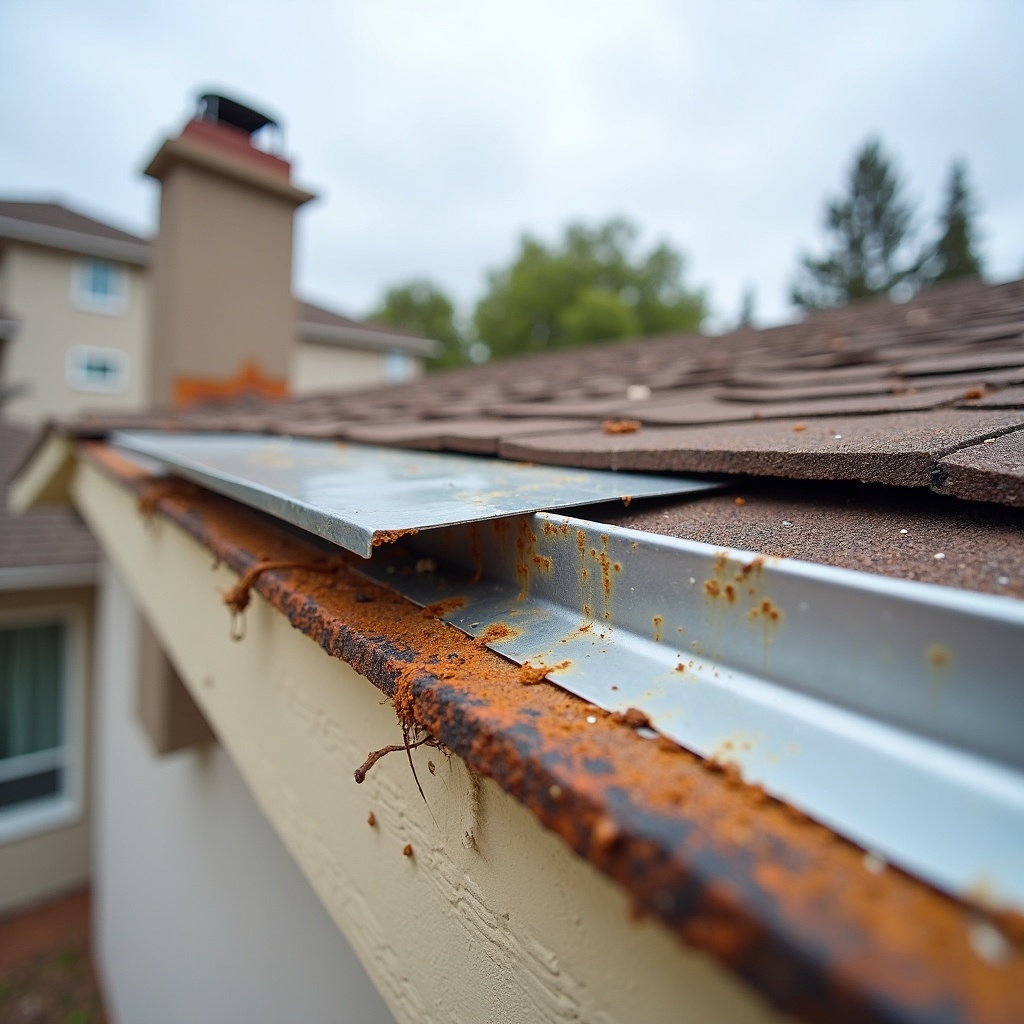
Roof flashing is one of the most misunderstood components of residential roofing in Southern California, yet it’s arguably one of the most critical. This thin metal barrier seals the gaps where your roof meets chimneys, skylights, valleys, and walls, essentially every junction where water could sneak in and destroy your home. Despite its importance, homeowners across Southern California often believe myths that lead to costly water damage, missed repairs, and premature roof failure. This guide cuts through the confusion by examining the most common misconceptions about flashing, showing you exactly what’s true and what will cost you money if you believe it.
📋 In This Guide
Myth 1: Flashing Lasts as Long as Your Roof
Many Southern California homeowners assume that if their asphalt shingles are good for 20-25 years, the flashing underneath will last just as long. This is not true. Flashing typically fails 10-15 years before the surrounding roof because it faces more extreme thermal stress and weather exposure than shingles do.
Why Flashing Fails Faster
Flashing is manufactured from materials like aluminum, galvanized steel, or copper, metals that expand and contract with temperature swings. The regional climate, with daytime heat and cooler nights, creates constant thermal cycling. Every time metal flashing heats in the sun and cools at night, it moves. Over years, this movement causes fasteners to loosen, seals to crack, and joints to separate. Additionally, flashing sits at the junction between two different materials (roof and wall or roof and chimney), making it a stress concentration point where movement is magnified. The evidence is clear: roofing contractors across Southern California regularly encounter 15-year-old flashing that is visibly deteriorating on homes with 20-year-old shingles that still have life left. If your roof is 15 years or older, your flashing has likely already started its decline, even if you can’t see obvious damage from the ground.
Myth 2: You Can Patch Failing Flashing with Sealant
The most expensive mistake homeowners make is believing that a bead of caulk or roofing cement can fix flashing problems. Sealant is a temporary bandage, not a solution. Applying silicone caulk or tar to deteriorating flashing is like putting a piece of tape on a leaking pipe; it might hold for a few months, but the underlying problem is still there.
Why Sealant Fails
Caulk and roofing cement don’t bond well to metal, especially metal that’s already dirty, oxidized, or slightly corroded. As the metal continues to expand and contract, the sealant cracks away from the edges. Water finds tiny gaps beneath the caulk and migrates into your attic or walls. By the time you realize the sealant has failed, usually during heavy rain, water damage is already progressing inside your home. A roofing contractor in Southern California will recommend replacement, not patching, because proper flashing repairs involve removing the old material, preparing the substrate, installing new flashing with correct overlap and fastening, and sealing it properly. This is more work upfront, but it solves the problem for 10-15 years instead of 6-12 months.
Myth 3: All Flashing Types Are the Same
Homeowners often think flashing is flashing, just a generic metal strip that works everywhere. In reality, different roof penetrations and areas require different flashing designs, and using the wrong type or installing it improperly is a guaranteed path to leaks.
Common Flashing Types and Their Purposes
| Flashing Type | Location | Function |
|---|---|---|
| Drip Edge | Roof perimeter | Directs water away from fascia and into gutters |
| Valley Flashing | Where two roof planes meet | Channels heavy water flow from intersecting slopes |
| Step Flashing | Roof-to-wall junctions (chimneys, dormers) | Creates a stepped seal that overlaps shingles |
| Counter Flashing | Chimney or wall surfaces | Caps step flashing and directs water away |
| Vent Pipe Flashing | Where plumbing vents exit roof | Seals around cylindrical penetrations |
Each type has a specific purpose and installation method. Valley flashing, for example, must have a continuous channel to handle the concentrated water flow where two roof planes meet. Step flashing at a chimney must be installed under the shingles on one side and over them on the other, creating an overlap pattern that sheds water. Vent pipe flashing must compress around the pipe and sit properly under the upper shingles. Using the wrong material or installing it backward turns that junction into a leak point. When roof repair Southern California specialists inspect homes in older hillside neighborhoods, improper or missing counter flashing is one of the top reasons for recurring leaks around chimneys.
Myth 4: Flashing Problems Only Show Up as Water Stains
Many homeowners think they’ll notice flashing failure immediately because water will drip into their attic or stain their ceilings. The reality is far more insidious. Flashing can fail gradually, allowing slow water infiltration into wall cavities and structural framing long before you see a visible stain inside your home.
Early Warning Signs You Should Know
Water damage from flashing failures often starts in places you can’t see, inside walls, under insulation, or in the gap between roof decking and exterior sheathing. By the time a stain appears on your ceiling, the damage may have been happening for months. A better approach is to know what to look for during inspections: rust streaks running down chimney sides, gaps between counter flashing and masonry, lifted or separated step flashing edges, missing caulk at valleys, or green/white oxidation on aluminum flashing. Homeowners in Downtown Southern California with older homes should inspect their flashing at least twice yearly, once in spring and once in early fall, before heavy rain seasons arrive. If you hire a roofing contractor in Southern California for a professional inspection, they’ll use close-up visual checks and may use thermal imaging or moisture meters to detect water that’s already inside walls without visible interior damage yet. Catching flashing failure at this stage costs far less than waiting for structural rot.
Myth 5: Replacement Flashing Costs the Same Regardless of Material
Another widespread assumption is that flashing is flashing, the material choice doesn’t matter much, so pick the cheapest option. This overlooks a critical reality: different materials have vastly different lifespans, performance in Southern California’s climate, and long-term value.
Flashing Materials and Their Trade-Offs
Galvanized steel is inexpensive but prone to rust, especially in areas near moisture concentration. Aluminum resists rust but is softer and can dent or tear. Copper is expensive but offers 30+ year lifespan and actually improves with age as it develops a protective patina. For high-value homes across the region, choosing inferior flashing materials is penny-wise and pound-foolish. A high-value home deserves flashing that will not need replacement again in 10 years. The type of roofing material also influences the flashing choice. Asphalt shingle roofs pair well with most standard metal flashings. Metal roofs require flashing that matches their material to avoid galvanic corrosion when dissimilar metals contact each other. Slate or tile roofs demand heavier-gauge materials because the weight and thermal characteristics are different from shingles. When you get a quote for flashing repair from a roofing contractor, understanding the material options available ensures you are not just getting the cheapest solution, but the right one for your specific roof type and home value.
What You Should Do Right Now: A Practical Checklist
Step 1: Schedule a Professional Inspection: If your roof is 12+ years old, contact Roof Repair & Construction Inc. for a flashing assessment. Call (323) 474-1088 to book an inspection. A trained eye can spot deterioration that homeowners miss from the ground. Step 2: Document Visible Flashing Damage: From the ground or a safe position, photograph any rust, separation, missing caulk, or green oxidation on flashing around chimneys, valleys, and wall junctions. This documentation helps the contractor prioritize repairs. Step 3: Ask About Flashing When Getting Roof Quotes: When seeking estimates for roof work, specifically ask contractors about the condition of your flashing and whether replacement or repair is recommended. Don’t assume flashing work is included in a roof replacement quote, clarify what’s included. Step 4: Choose Material Appropriate to Your Home’s Value: For a Southern California, investing in quality flashing material is a sound decision. The premium cost of copper or stainless steel flashing is minimal compared to the cost of structural water damage repair. Homeowners across Southern California deserve straightforward information about roof flashing, and these myths have clouded the conversation for too long. When you are ready to address flashing issues, contact a licensed professional who can explain why your specific flashing problem requires the solution being proposed, not just apply a quick fix and move on.
Explore our full range of roofing services across Southern California.
Frequently Asked Questions
How do I know if my roof flashing is failing in Southern California?
Look for rust streaks on chimneys, gaps between counter flashing and masonry, lifted or separated step flashing edges, missing caulk at valleys, or green oxidation on aluminum flashing. If your roof is 12+ years old, schedule a professional inspection with Roof Repair & Construction Inc. at (323) 474-1088 to catch problems before water damage occurs inside your walls.
Can I fix failing flashing with caulk or roofing cement?
No. Sealant is a temporary bandage that fails within months as the metal expands and contracts. Water migrates underneath the caulk into your attic and walls, causing hidden damage. Proper flashing repair requires removing the old material and installing new flashing with correct overlap and fastening, the only solution that lasts 10-15 years.
Why does flashing fail faster than roof shingles?
Flashing sits at the junction between two different materials and experiences extreme thermal cycling, expanding in sun and contracting at night. This constant movement loosens fasteners, cracks seals, and separates joints much faster than shingles, which flex as a unified surface. Most flashing fails 10-15 years before the surrounding roof reaches end of life.
What's the difference between step flashing and counter flashing?
Step flashing is installed under the upper shingles and over the lower shingles at roof-to-wall junctions, creating a stepped pattern. Counter flashing is installed on the chimney or wall surface and caps the step flashing, directing water away. Both are necessary at chimneys and dormers, missing or improper counter flashing is a leading cause of chimney leaks in Southern California homes.