The Hidden Dangers of Ignoring Roof Deterioration
A Southern California homeowner recently discovered water damage spreading across their ceiling, but not from a single storm. Years of delaying minor repairs had allowed small leaks to compromise the structural decking beneath their asphalt shingles, creating a mold problem that cost three times what a timely roof replacement would have. This scenario plays out repeatedly across Southern California, where mid-century homes meet modern weather patterns and property owners struggle to determine whether patching another leak makes financial sense or whether they’re simply postponing the inevitable. The consequences of misreading these warning signs extend far beyond wet ceilings: structural rot can weaken load-bearing components, mold growth threatens indoor air quality, and compromised insulation drives energy costs upward while your HVAC system works overtime. For homeowners managing higher-value properties, understanding when to transition from repair mode to replacement planning isn’t just about protecting your investment; it’s about preventing a manageable roofing issue from becoming a structural emergency that impacts your family’s safety and your home’s market value.
📋 In This Guide
The 50% Rule and Financial Tipping Point
Professional roofing contractors use a straightforward calculation to determine repair versus replacement viability: if the total repair expenses approach or exceed 50% of what a complete roof replacement would cost, replacement becomes the more financially sound decision. For a typical Southern California home with 2,000 square feet of roof area, this threshold represents the point where incremental fixes no longer make economic sense. A qualified roofing services in Southern California provider can perform a comprehensive cost analysis comparing your current repair needs against replacement expenses.
This calculation becomes particularly relevant when you factor in the cumulative cost of multiple repair visits over time. Each service call includes labor, materials, and the inevitable disruption to your household. When you’ve already invested in three or four separate repair projects addressing different problem areas, you’re often approaching that 50% threshold without realizing it. Additionally, homes with older roofing systems frequently experience what professionals call “cascading failures”, fixing one section places additional stress on adjacent areas already weakened by age, leading to new problems within months of the previous repair.
The financial calculation shifts further when you consider the diminishing return on repair investments. Patching a 15-year-old asphalt shingle roof might buy you another year or two, but you’ll eventually need replacement regardless. Those repair dollars represent sunk costs that don’t increase your home’s value or extend the roof’s serviceable life beyond a brief temporary fix. A roofing contractor in Southern California can provide transparent pricing that allows you to make informed decisions about whether your repair dollars are genuinely protecting your investment or merely delaying inevitable replacement.
Age-Based Decision Thresholds for Different Roofing Materials
The age of your roof fundamentally shapes the repair-versus-replacement decision, but the specific threshold varies dramatically by material type. Understanding these timelines helps homeowners across the region make proactive rather than reactive decisions about their roofing systems.
Asphalt Shingle Roofs: The 15-20 Year Transition Point
Asphalt shingles dominate residential roofing across Southern California due to their affordability and versatility, but they also have the shortest serviceable lifespan. Standard three-tab shingles typically last 15-20 years in the region’s climate, while architectural shingles might reach 20-25 years. Once your asphalt roof passes the 15-year mark, any repair requiring more than replacing a few individual shingles warrants serious consideration of full replacement instead. At this age, the entire roof system is approaching the end of its designed lifespan, the granules protecting the asphalt have worn thin, the adhesive strips holding shingles in place have degraded, and UV exposure has made the material brittle. Investing significantly in repairs at year 16 or 17 means you’ll still need replacement within a few years regardless.
Metal Roofing: The 30-Year Evaluation Mark
Metal roofs typically last 40-70 years depending on the metal type and coating quality. For metal roofing, the age-based replacement consideration doesn’t become relevant until around year 30, and even then, repairs often remain the practical choice unless widespread corrosion or panel failure has occurred. Metal roof repairs typically address fastener deterioration, sealant breakdown around penetrations, or isolated panel damage from falling debris, issues that don’t necessarily indicate systemic failure. However, if you’re seeing widespread rust, significant coating failure across multiple sections, or structural issues with the underlying supports, replacement merits serious discussion even on a relatively young metal roof.
Tile and Slate: Longevity with Vulnerability
Tile and slate roofs, found on many higher-end properties across Southern California, can last 50-100 years or more, but this longevity applies to the tiles themselves, not necessarily the underlayment, roof flashing in Southern California, or supporting structure. A common scenario involves homeowners with 40-year-old tile roofs experiencing leaks caused by deteriorated underlayment rather than damaged tiles. In these cases, the decision becomes whether to replace just the underlayment and flashing (requiring tile removal and reinstallation) or upgrade to an entirely new roofing system. If more than 20% of the tiles are broken or if the roof decking shows signs of moisture damage, full replacement typically makes more sense than extensive repair work.
Damage Pattern Assessment: Isolated Problems vs Systemic Failure
The geographic distribution and pattern of damage across your roof provides crucial insight into whether repairs will adequately address the underlying problem or whether you’re treating symptoms of broader systemic failure.
| Damage Pattern | Repair Appropriate | Replace Recommended |
|---|---|---|
| Storm damage location | Confined to one section or slope | Distributed across multiple roof planes |
| Shingle condition | Few damaged shingles, rest intact with granules | Widespread granule loss, curling throughout |
| Leak source | Single identifiable penetration or valley | Multiple leak points, source unclear |
| Structural impact | Surface damage only, decking solid | Sagging areas, soft spots, visible rot |
| Previous repairs | First or second repair in 10+ years | Third+ repair in 5 years, different areas |
When examining damage patterns, consider the “patchwork quilt” syndrome that develops on heavily repaired roofs. If your roof already shows evidence of three or more separate repair areas, perhaps a valley repair from three years ago, flashing replacement last year, and shingle replacement on the south slope six months ago; you’re likely experiencing systematic deterioration rather than isolated failures. Each new problem area indicates the entire roof system is approaching the end of its serviceable life. Professional roof repair Southern California services can provide thermal imaging and moisture detection to identify hidden damage beyond what’s visible from ground level or even during standard visual inspections.
The challenge Southern California homeowners face involves distinguishing between isolated storm damage and age-related deterioration. A windstorm that damages a small section of an otherwise healthy 8-year-old roof clearly calls for targeted repair. However, when that same storm causes problems across multiple areas of a 17-year-old roof, the storm simply revealed existing weaknesses throughout an aging system. In these cases, repairing only the most obvious damage leaves you vulnerable to continued failures as other weakened sections give way under normal weather conditions.
DIY Inspection Checklist: What Homeowners Can Evaluate
While comprehensive roof assessment requires professional expertise and safety equipment, homeowners can perform preliminary evaluations that help frame the repair-versus-replacement conversation. These observations provide valuable information when consulting with licensed roofing contractors.
Ground-Level Visual Indicators
From ground level using binoculars, examine your roof for curling shingle edges, missing or damaged shingles, sagging areas between rafters, and visible daylight through roof boards from the attic. Check gutters for excessive granule accumulation, a small amount is normal, but heavy granule loss indicates advanced shingle deterioration. Look for water stains on exterior walls beneath roof edges, which suggest ice damming or inadequate flashing. Inspect the condition of roof penetrations including plumbing vents, chimneys, and satellite dish mounts, noting any gaps, cracks, or deteriorated sealant around these vulnerability points.
Attic Interior Assessment
Attic inspections reveal problems invisible from the exterior. Look for water stains on rafters or roof decking, which indicate current or previous leaks. Check for daylight visible through the roof boards, sagging between rafters, and mold or mildew growth on wood surfaces. Feel the insulation for dampness, particularly near roof penetrations and along valleys where water tends to concentrate. Examine the underside of the roof decking for dark staining, soft spots, or actual rot. The presence of widespread staining or multiple leak points strongly suggests replacement rather than repair.
Documentation for Professional Evaluation
Photograph any concerning areas you identify, noting their location relative to landmarks like chimneys, skylights, or roof edges. Document when you first noticed issues and whether problems have progressed over time. Gather information about your roof’s age, previous repairs, and any known issues from home inspection reports. This documentation helps Roof Repair & Construction Inc. professionals provide accurate assessments and recommendations tailored to your specific situation.
Professional Assessment: How Contractors Determine Replacement Need
Licensed roofing contractors employ systematic evaluation methods that go far beyond visual inspection, using specialized tools and technical knowledge to assess structural integrity, remaining serviceable life, and cost-effectiveness of repair versus replacement options.
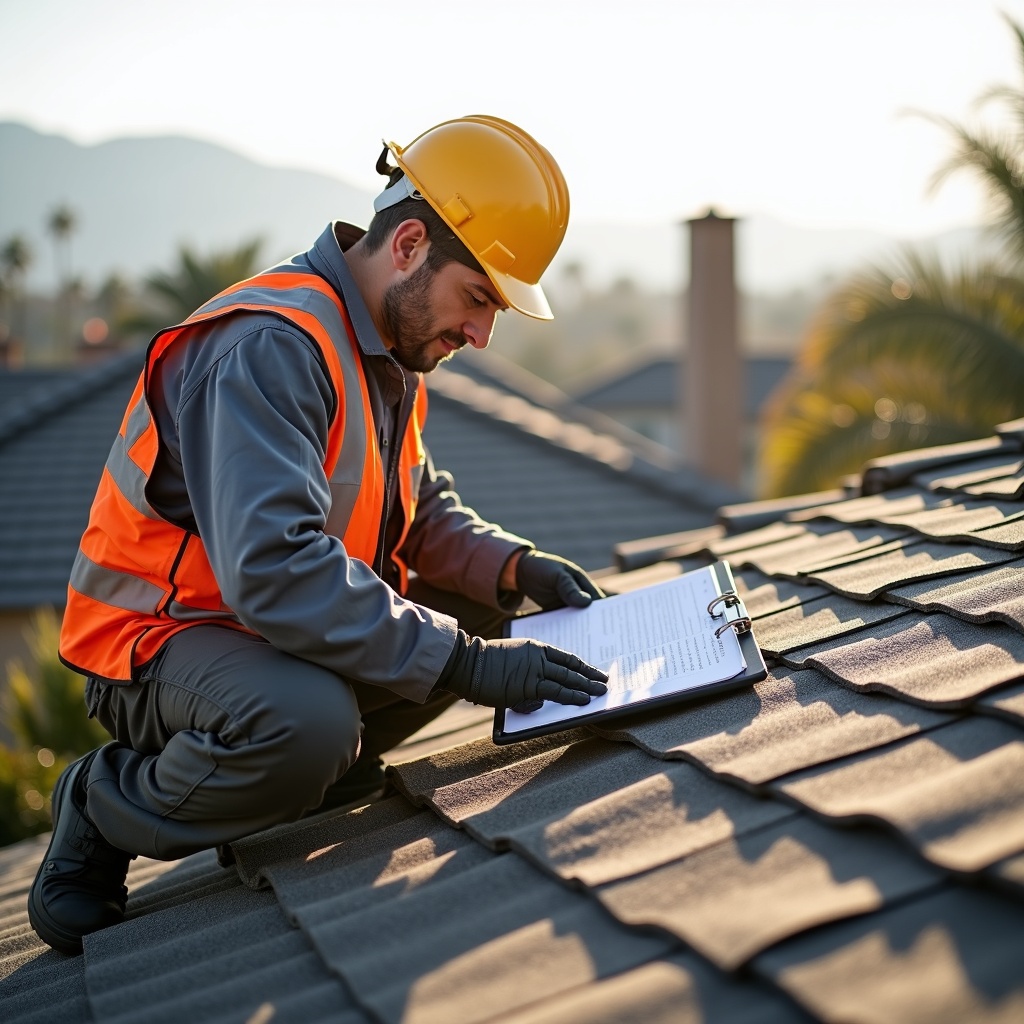
Professional inspectors start with comprehensive visual assessment from roof level, examining every section for damage patterns, material condition, and workmanship quality. They probe suspected soft spots to evaluate decking condition, checking for rot or structural compromise. Infrared thermal imaging detects moisture trapped within roofing layers, invisible water damage that undermines the entire system. Contractors evaluate ventilation adequacy, since poor attic ventilation accelerates roof deterioration regardless of material quality. They assess flashing integrity around chimneys, skylights, and wall junctions, since these transition points represent common failure zones even when field shingles remain serviceable.
Experienced contractors also evaluate your roof’s compliance with current building codes, which have evolved significantly over the past two decades. Older roofs may lack adequate ice and water shield protection, proper valley construction, or sufficient fastener density to meet modern wind resistance standards. While these deficiencies don’t necessarily mandate immediate replacement, they represent additional considerations when deciding whether to invest in repairs that extend the life of a non-compliant system or replace with a code-compliant installation that better protects your property.
The assessment includes detailed cost analysis comparing repair expenses against replacement costs, factoring in the roof’s remaining serviceable life. A contractor might determine that repairs will cost 40% of replacement expense but will only extend the roof’s life by two years, making replacement the economically rational choice despite repairs being nominally cheaper in the short term. This analysis considers your specific circumstances: are you planning to sell within a few years, making a new roof a valuable selling point? Are you concerned about warranty coverage, which comprehensive replacement provides but patchwork repairs don’t? These factors shape the final recommendation.
Climate-Specific Risks of Delaying Necessary Replacement
Southern California’s climate presents unique considerations that make delaying necessary roof replacement particularly problematic. The region lacks the freeze-thaw cycles and heavy snow loads that challenge roofs in other climates, but UV radiation intensity, periodic intense rainfall, and wildfire risk create their own replacement timelines.
The intense UV exposure across Southern California accelerates asphalt shingle degradation, particularly on south and west-facing roof slopes. Once shingles reach advanced deterioration, they become increasingly brittle, vulnerable to cracking and tearing even under normal weather conditions. An aging roof that might survive another mild winter in a temperate climate can fail catastrophically during a single intense rainstorm in Southern California, where precipitation arrives in concentrated events rather than gradual accumulation. When atmospheric rivers bring several inches of rain in 24 hours, as occurs periodically in the region, a compromised roof that might slowly leak under normal conditions can allow massive water intrusion that damages ceilings, walls, insulation, and electrical systems.
Wildfire considerations add another dimension to replacement timing. Older roofs with deteriorated shingles, accumulated debris in valleys, and gaps around penetrations are more vulnerable to ember intrusion during wildfire events. Modern roofing materials installed to current standards provide superior fire resistance, with Class A fire ratings and ember-resistant construction details. Delaying replacement on an aging roof means maintaining inferior fire protection during an era of increasing wildfire risk throughout Southern California. For properties where wildfire threat is elevated, this consideration may tip the decision toward proactive replacement even when repairs might technically keep the roof functional for another year or two.
Energy efficiency implications also deserve consideration in California’s climate. An aging roof with degraded insulation, inadequate ventilation, and gaps around penetrations forces your cooling system to work harder during long, hot summers. The cumulative energy cost over several years of delaying replacement can represent a significant hidden expense that doesn’t appear in the initial repair-versus-replacement calculation. Modern roof installations incorporate improved ventilation systems, radiant barriers, and better sealing around penetrations, features that reduce cooling costs while extending HVAC system life.
Making the Decision: When to Call for Professional Evaluation
Certain situations warrant immediate professional assessment rather than continued monitoring or attempted DIY evaluation. Contact a licensed roofing contractor immediately if you observe interior water damage, sagging areas on the roof surface, widespread shingle loss following a weather event, or daylight visible through the attic ceiling. These conditions indicate urgent problems that won’t resolve themselves and will only worsen with time.
For less dramatic situations, schedule professional evaluation when your roof approaches the typical lifespan for its material type, when you’ve needed two or more repairs within a three-year period addressing different areas, or when you’re planning other major home improvements that might benefit from coordinated roofing work. If you’re considering selling your property within the next few years, professional assessment helps you determine whether proactive replacement enhances market value or whether targeted repairs adequately address buyer concerns.
Roof Repair & Construction Inc. provides comprehensive evaluations that give homeowners across Southern California the information they need to make confident decisions about repair versus replacement. Our inspections include detailed reporting on roof condition, remaining serviceable life estimates, cost comparisons, and recommendations tailored to your specific situation and plans for the property. We believe informed homeowners make better decisions, which is why our assessments focus on education and transparency rather than sales pressure. Whether your situation calls for minor repairs, extensive restoration, or complete replacement, you’ll receive honest guidance based on technical assessment rather than what generates the largest invoice.
Don’t wait until a minor roofing concern becomes a structural emergency. Call (323) 474-1088 to schedule a comprehensive roof evaluation that provides the clarity you need to protect your investment and your family’s safety. We’ll help you understand exactly what your roof needs and why, empowering you to make the decision that best serves your circumstances and budget.
Explore our full range of roofing services across Southern California.
Frequently Asked Questions
How do I know if my roof needs replacement or just repairs?
Apply the 50% rule: if repair costs approach or exceed half the replacement expense, replacement makes financial sense. Also consider your roof's age relative to its expected lifespan, whether damage is isolated or widespread, and how many previous repairs you've needed. A professional inspection from Roof Repair & Construction Inc. at (323) 474-1088 provides definitive assessment based on structural condition, remaining serviceable life, and cost-benefit analysis.
What are the warning signs that roof repairs won't be enough?
Key indicators include needing three or more repairs within five years, widespread granule loss across the roof surface, multiple active leak points, sagging areas or soft spots indicating structural damage, and roof age approaching the material's expected lifespan. When damage patterns are systemic rather than isolated, replacement prevents ongoing problems and additional emergency repairs.
Can I extend my roof's life with repairs instead of replacing it?
Strategic repairs can extend a roof's serviceable life by several years if the underlying structure remains sound and damage is truly isolated. However, repairs on roofs past 75% of their expected lifespan typically provide only short-term solutions. The question becomes whether investing repair dollars into an aging system makes sense when replacement will eventually be necessary regardless.
Why is delaying roof replacement risky in Southern California?
Intense UV radiation accelerates shingle deterioration, making aging roofs vulnerable to catastrophic failure during concentrated rainstorms. Compromised roofs also provide inferior fire protection during wildfire season and reduce energy efficiency during hot summers. Water damage from delayed replacement can affect structural components, insulation, and interior finishes, turning a roofing expense into a comprehensive restoration project.