
Do You Really Need Winter Roof Prep in Southern California?
Many Southern California homeowners believe winter roof preparation is unnecessary in Southern California’s mild climate. This misconception leads to thousands of dollars in emergency repairs every rainy season. While Southern California doesn’t face snow or ice, winter brings concentrated rainfall, powerful Santa Ana winds, and temperature fluctuations that exploit existing roof vulnerabilities. The question isn’t whether your roof needs winter storm maintenance; it’s whether you’ll address issues before or after they cause interior damage. Understanding winter roof maintenance Southern California requirements protects your investment and prevents costly emergency calls.
📋 In This Guide
Southern California receives most of its annual rainfall between December and March, often in intense bursts that overwhelm unprepared drainage systems. Combined with debris accumulation during dry months and wind damage from fall Santa Anas, roofs face significant stress during winter months. A systematic pre-season inspection and maintenance routine identifies and corrects weaknesses before storms arrive, particularly important in a budget-conscious community where roofing services in Southern California repair costs can strain household finances.
When Should Homeowners Schedule Roof Inspections?
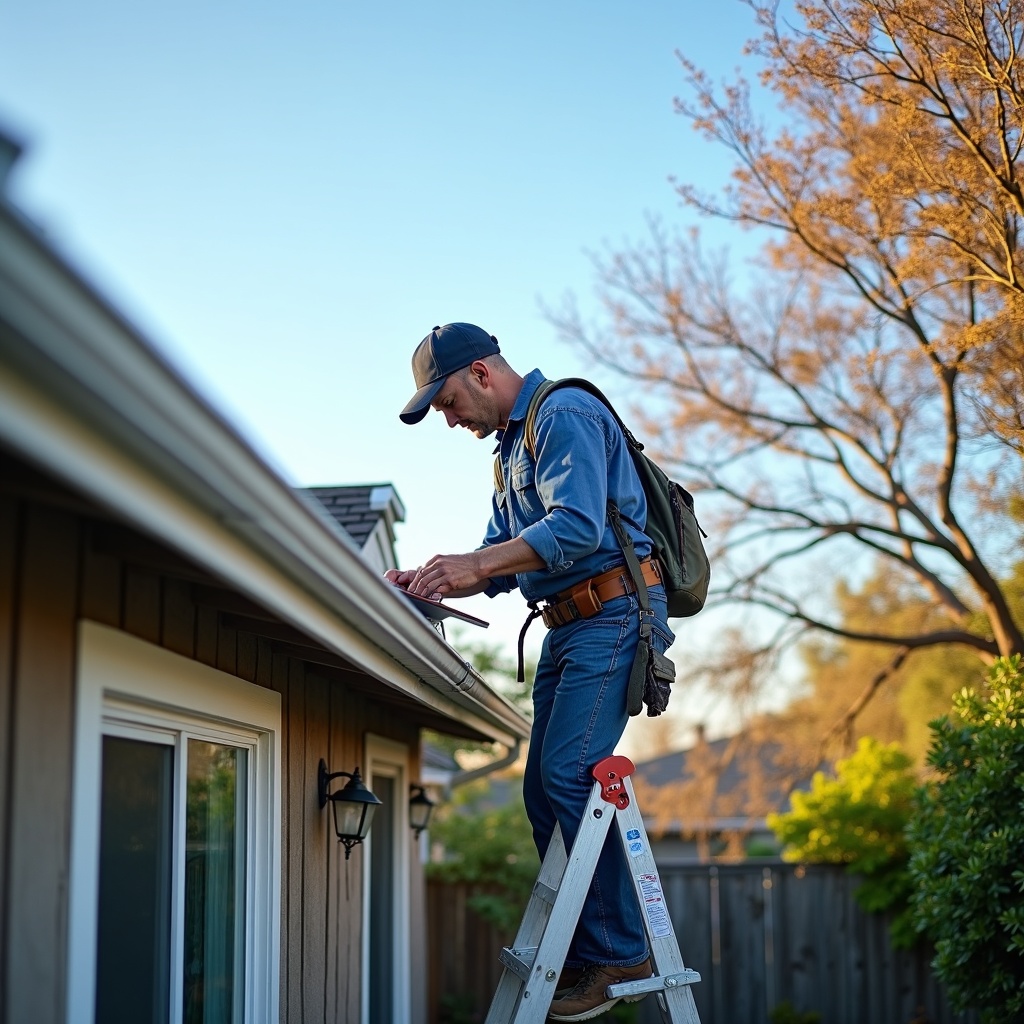
The optimal window for winter roof preparation runs from mid-September through early November, before the first significant rainfall typically arrives in late November or December. This timeline allows you to identify problems, schedule repairs, and complete work during dry weather when roofing contractors have better availability and materials cure properly. Waiting until December means competing with emergency repair demands and working around weather interruptions that delay completion. Start your inspection process in September by walking your property perimeter and checking for obvious damage from ground level. Look for missing or curled shingles, sagging roofline sections, and debris accumulation in valleys and gutters. October is the ideal month to schedule professional inspection with a licensed roofing contractor in Southern California who can identify issues invisible from ground level, including compromised roof flashing in Southern California installations, deteriorated sealants around penetrations, and early signs of structural concerns. Complete all repair work by mid-November at the latest. This schedule accounts for material ordering, contractor availability, and proper curing time for sealants and adhesives before winter moisture arrives. Properties with tile roofing, flat roof sections, or mature trees overhead should begin this process even earlier, late August or early September, to allow time for more extensive repairs or tree trimming permits.
What Are the Essential Inspection Points for Winter Readiness?
Drainage System Evaluation and Cleaning
Gutters and downspouts represent the first line of defense against water damage during winter storms. After months of dry weather, these systems accumulate leaves, dirt, and debris that block water flow and cause overflow during heavy rainfall. Clean all gutters thoroughly, removing organic material that retains moisture and accelerates metal corrosion. Check that downspouts discharge at least five feet from foundation walls and extend into proper drainage areas rather than creating pooling near the structure. Inspect gutter attachment points for looseness or separation from fascia boards, a common issue in homes near Van Nuys Airport where aircraft vibration gradually loosens fasteners. Test drainage flow by running a garden hose into gutters and watching for proper slope and complete evacuation. Any standing water indicates insufficient pitch that requires adjustment before winter. Properties with gutter and drainage system repairs needs should address these immediately, as overflow causes fascia rot, soffit damage, and potentially interior wall leaks.
Shingle and Surface Material Assessment
Asphalt shingles expand and contract with temperature changes, particularly during the intense summer heat common across the region followed by winter cooling. This cycle causes granule loss, curling, and cracking that compromises waterproofing. Inspect shingles for these warning signs: dark streaks indicating granule loss, edges that curl upward or downward, visible cracks or tears, and missing sections. Any shingle that moves when gently lifted has lost its seal and requires replacement before storms arrive. Pay special attention to south and west-facing roof sections that endure maximum sun exposure and heat damage. These areas age faster and develop problems sooner than shaded portions. Check valleys carefully; these high-flow channels concentrate water volume and show wear patterns before other roof sections. If you identify more than a handful of damaged shingles or widespread deterioration, consult professionals about whether targeted shingle replacement and repair or broader intervention makes economic sense.
Penetration and Flashing Verification
Roof penetrations, chimneys, plumbing vents, exhaust fans, and HVAC equipment, rely on flashing and sealant to prevent water intrusion. These components fail more frequently than roofing materials themselves, making them critical inspection priorities. Check that all flashing lies flat against surfaces without gaps, rust, or separation. Sealant around vent pipes should be pliable and intact without cracks or missing sections. Chimney flashing deserves particular attention, as the two-part system (step flashing and counter flashing) develops leaks when mortar deteriorates or metal separates. Look for white mineral deposits or staining on interior chimney walls, signs that water has already penetrated the envelope. Any questionable flashing condition warrants professional evaluation, as these repairs require specialized techniques and materials. Understanding finding hidden roof leaks in Southern California helps you identify early warning signs before they become visible interior damage.
How Do You Prepare for Storm Damage Emergencies?
Even well-maintained roofs can suffer unexpected damage during severe weather events. Southern California experiences occasional severe windstorms and intense rainfall that overwhelm systems or expose previously undetected weaknesses. Prepare for these scenarios by establishing relationships with emergency repair providers before problems occur. Research local companies offering same day roof repair services and save contact information where it’s easily accessible during crises. Create a roof emergency kit stored in an accessible location that includes heavy-duty tarps (at least 10×20 feet), rope or bungee cords for securing tarps, roofing nails and hammer, roof sealant tape, flashlight with extra batteries, and a camera or smartphone for damage documentation. When emergency roof repair in Southern California becomes necessary, this kit enables temporary protection while you wait for professional assessment and permanent repairs. Document your roof’s pre-storm condition with photographs from multiple angles, including close-ups of any existing damage or wear areas. This documentation proves invaluable for insurance claims if storm damage occurs, establishing baseline conditions and demonstrating proper maintenance. Store these images in cloud storage or email them to yourself so they’re accessible even if your home suffers damage. Keep your insurance policy information, contractor contacts including Roof Repair & Construction Inc. at (323) 474-1088, and emergency numbers in a waterproof folder or digital format accessible from your phone.
| Maintenance Task | Timing | DIY or Professional |
|---|---|---|
| Gutter cleaning and drainage testing | September-October | DIY (single-story) or Professional (two-story) |
| Ground-level visual inspection | Early September | DIY |
| Professional roof inspection | October | Professional required |
| Tree trimming near roof | September-early October | Professional (requires permits) |
| Shingle repairs and sealant work | October-early November | Professional recommended |
| Emergency supply preparation | November | DIY |
What Tree Management Prevents Winter Roof Damage?
Many neighborhoods across the region feature mature trees that provide shade and aesthetic value but pose significant risks during winter windstorms. Branches hanging over or touching roof surfaces drop debris year-round and become battering rams during high winds, damaging shingles, puncturing membranes, and breaking flashing seals. September through October represents the optimal window for tree trimming before Santa Ana wind season begins in earnest. Maintain at least six feet of clearance between tree canopies and roof surfaces, more distance for species with heavy branches or weak wood structure. This spacing prevents physical contact during wind events and reduces the volume of leaves and small debris falling directly onto the roof. Focus on branches overhanging valleys, near penetrations, and above flat or low-slope sections where debris accumulates rather than shedding naturally. Property owners should verify whether tree work requires local permits, particularly for protected species or trees above certain diameters. Hire certified arborists for work involving large branches or trees near power lines; this isn’t appropriate DIY territory. Professional tree services understand proper cutting techniques that promote tree health while addressing safety concerns. Budget-conscious homeowners can reduce costs by handling debris removal themselves after professionals complete cutting, though this requires significant physical effort and disposal planning. After trimming, inspect your roof for any damage caused by previous branch contact, abraded shingles, displaced tiles, or damaged flashing. Address these issues before winter rather than assuming the damage is minor. Small compromises in roof integrity become major leak sources once winter rainfall begins. If you’re uncertain about damage severity, schedule an inspection with a qualified roofing professional who can assess whether repairs are necessary.
When Should You Call Professionals Instead of DIY?
Southern California homeowners can safely complete certain preparatory tasks, ground-level inspections, gutter cleaning on single-story structures, debris removal, and emergency supply preparation, but other work requires professional expertise and equipment. Any task requiring roof access on structures above one story creates serious fall risks that outweigh potential savings from DIY approaches. Professional contractors carry liability insurance and worker’s compensation coverage that protect property owners from financial exposure if accidents occur. Call professionals for these specific scenarios: identifying the source of existing leaks (water travel patterns deceive even experienced homeowners), any repair involving flashing installation or modification, shingle replacement requiring proper seal and fastening techniques, structural concerns like sagging or soft decking areas, and work near electrical service equipment or within ten feet of power lines. Attempting these repairs without proper training and equipment often creates bigger problems than the original issue. Properties showing multiple warning signs, widespread shingle deterioration, recurring leaks despite previous repair attempts, visible sagging or unevenness, interior water stains that expand after rainfall, or roofs approaching 15-20 years of age, need comprehensive professional evaluation rather than piecemeal DIY fixes. A qualified roofing contractor provides accurate diagnosis of whether targeted repairs extend roof life cost-effectively or whether replacement makes better financial sense. For homeowners balancing budget constraints with property protection, this professional assessment prevents wasting money on repairs that only delay inevitable replacement. Roof Repair & Construction Inc. provides thorough pre-winter inspections for Southern California, identifying vulnerabilities before storm season and offering practical solutions that match your budget and timeline. Our team understands the specific challenges facing Southern California roofs, from Santa Ana wind damage to the unique wear patterns created by our climate. Contact us at (323) 474-1088 to schedule your pre-winter roof evaluation and protect your home before the first significant rainfall arrives.
Explore our full range of roofing services across Southern California.
Frequently Asked Questions
How early should homeowners start winter roof preparation?
Begin winter roof preparation in mid-September with ground-level inspections and gutter cleaning, schedule professional inspections in October, and complete all repair work by mid-November before typical first rainfall. This timeline ensures dry weather for proper material curing and contractor availability before emergency demand spikes.
Can I safely inspect my own roof before winter or should I hire professionals?
Ground-level visual inspections and single-story gutter cleaning are safe DIY tasks, but any work requiring roof access above one story or involving leak diagnosis, flashing repairs, or structural assessment requires professional expertise. Licensed contractors have proper safety equipment, insurance coverage, and training to identify problems invisible to untrained eyes.
What are the most common roof problems winter storms expose in Southern California?
Winter storms in the region most frequently expose deteriorated flashing around chimneys and vents, clogged gutters causing overflow damage, compromised valley seals that leak during heavy rainfall, and wind-damaged shingles from previous Santa Ana events. These vulnerabilities remain hidden during dry months but fail dramatically when winter rain arrives.
How quickly can Roof Repair & Construction Inc. respond to emergency winter roof damage?
Roof Repair & Construction Inc. provides rapid response for emergency roof repair situations throughout Southern California, with services available by calling (323) 474-1088. Emergency response includes temporary stabilization with tarping, water intrusion assessment, and scheduling permanent repairs as soon as weather permits safe working conditions.