The Most Dangerous Myth About California Winter Roof Maintenance
Most Sherman Oaks homeowners believe their roof needs less attention than homes in snowbelt states. This misconception causes thousands of dollars in preventable water damage every winter across neighborhoods from Sherman Oaks Hills to the Riverside Drive Corridor. The reality: Southern California’s winter weather pattern — alternating dry Santa Ana winds and intense atmospheric river storms — creates a uniquely punishing environment that demands specific preparation strategies. Your roof faces rapid temperature swings, wind-driven debris accumulation, and concentrated rainfall that can deliver a month’s worth of precipitation in 48 hours. Without proper preparation, these conditions exploit every minor weakness in your roofing system.
📋 In This Guide
Critical Pre-Winter Vulnerabilities in Sherman Oaks Roofing Systems
The San Fernando Valley’s climate creates specific failure points that differ dramatically from coastal areas. Roof flashing in Sherman Oaks experiences extreme thermal cycling — intense summer heat followed by winter cold snaps — that causes sealant deterioration most homeowners never notice until the first heavy rain. Valley locations near the Fashion Square Area face additional challenges from mature tree canopies that drop massive amounts of organic debris during autumn. This debris doesn’t just clog gutters; it traps moisture against roofing materials and provides habitat for rodents that chew through weatherproofing barriers. The combination of windblown dust accumulation during dry months and sudden rainfall creates a cement-like layer in roof valleys that blocks proper drainage, forcing water under shingles at vulnerable transition points.
Another commonly overlooked vulnerability: the age and condition of roofing materials in Sherman Oaks’ older residential areas. Many homes built in the 1950s-1970s feature original or aging roofing systems that have survived decades of sun exposure. UV damage compounds exponentially during summer, but the actual failure occurs when winter rains test brittle, photo-degraded materials. Homeowners who postpone inspection until they notice active leaking discover that moisture has already penetrated roof decking, creating mold growth and structural damage that transforms a $500 repair into a $15,000 replacement. For homes valued at Sherman Oaks’ median of $1.1 million, this represents preventable depreciation that affects resale value and insurance premiums.
The September-October Action Window: What Happens Before First Storms
Timing your preparation makes the difference between prevention and crisis management. Sherman Oaks typically sees first significant rainfall between late October and mid-November, but waiting until weather forecasts show approaching storms leaves you competing with hundreds of other homeowners for contractor availability. The smart approach: complete all inspection and maintenance work by mid-October, before demand surges and before Santa Ana wind events scatter debris across your roof.
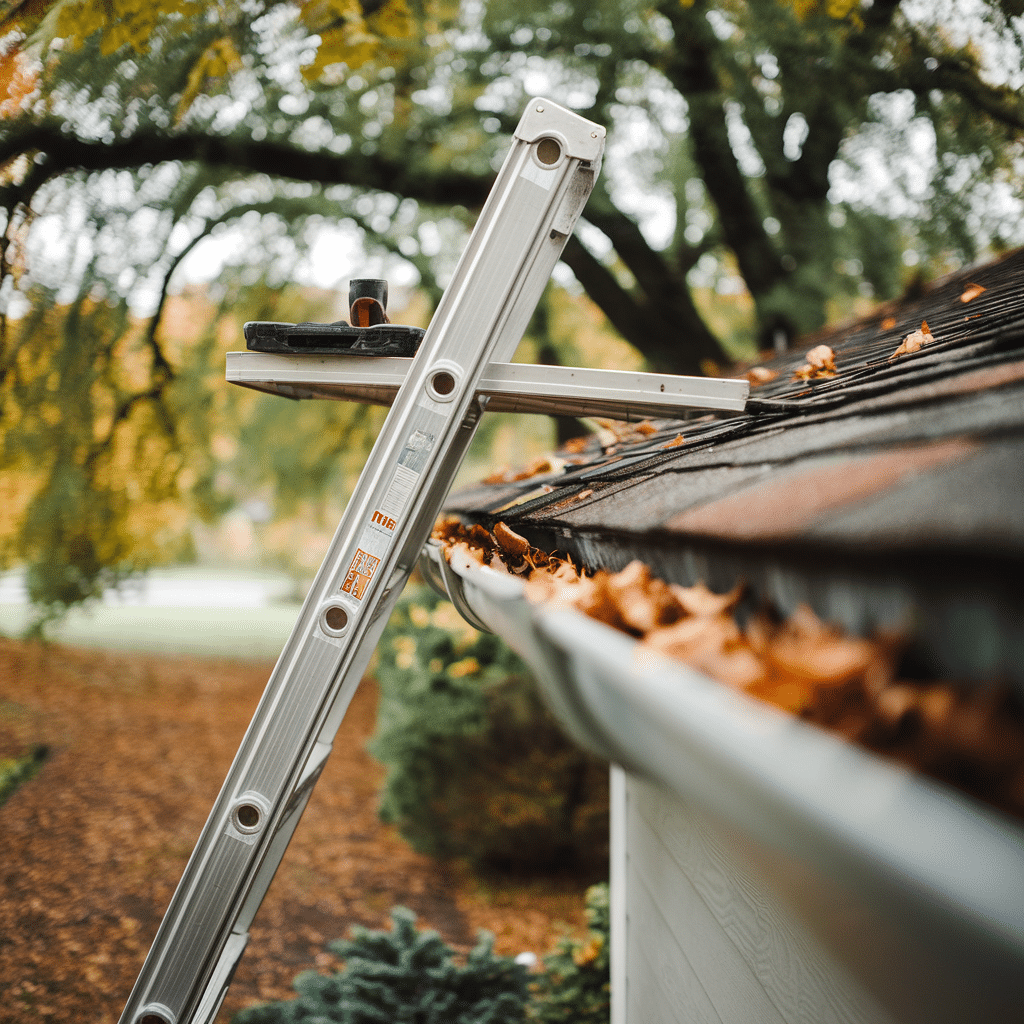
Start with comprehensive gutter and drainage system assessment. In Sherman Oaks’ hillside neighborhoods, proper drainage prevents more than just roof leaks — it protects foundation stability and prevents soil erosion around property perimeters. Remove all accumulated debris, test downspouts for proper flow, and verify that water discharges at least 10 feet from your foundation. Many Sherman Oaks properties feature older concrete driveways and hardscaping that create runoff patterns different from original design; verify that roof drainage doesn’t contribute to pooling near structures.
Next, inspect all penetration points: plumbing vents, exhaust fans, satellite dish mounts, and obsolete antenna installations. These represent the highest-probability leak locations because sealants deteriorate faster around metal-to-shingle interfaces. Use binoculars for ground-level inspection if you’re uncomfortable on ladders, but understand that professional inspection reveals problems invisible from below. Professional roof repair services for homes and businesses in Sherman Oaks include thermal imaging that identifies moisture intrusion before visible damage appears — technology that pays for itself by catching problems at the repair stage rather than the replacement stage.
Strategic Tree Management and Wind Damage Prevention
Sherman Oaks’ mature landscape provides aesthetic value but creates serious roof maintenance demands. Properties south of Ventura Boulevard often feature large eucalyptus, oak, and pine trees that shed year-round but increase dramatically during autumn and Santa Ana events. Branches that merely touch your roof during calm weather act like battering rams during 40-50 mph wind gusts, dislodging shingles and damaging flashing. The solution isn’t removing valuable trees but implementing professional trimming that maintains clearance of at least 10 feet from all roof surfaces.
Focus trimming efforts on branches that overhang valleys, gutters, and areas where debris naturally accumulates. Dead or damaged branches require immediate removal regardless of season — these become projectiles during windstorms, causing damage to your roof and potentially neighboring properties. For properties in heavily wooded areas near Encino borders or Sherman Oaks Hills, consider installing zinc or copper strips along roof ridges. These metals release ions during rainfall that inhibit moss and algae growth, reducing biological damage that accelerates shingle deterioration.
Emergency Readiness and Documentation for Insurance Claims
Winter storm damage often happens during multi-day atmospheric river events when contractor response times stretch to weeks. Prepare emergency supplies now: heavy-duty tarps sized to cover your entire roof plane, sandbags for securing tarps during wind, and buckets for managing interior leaks if they occur. Store contact information for professional roofing services in multiple formats — phone numbers can be unreliable during widespread outages, but many contractors maintain emergency dispatch through websites and text systems.
Document your roof’s pre-winter condition with comprehensive photography. Walk your property perimeter, photographing all roof planes, valleys, penetrations, and transitions. These images become critical evidence if you need to file insurance claims for storm damage. Sherman Oaks’ high home values mean insurance adjusters scrutinize claims carefully; clear documentation showing pre-existing condition versus storm damage eliminates disputes that delay repairs. Include date-stamped photos of your gutter system, downspouts, and areas where roof meets walls or transitions to lower sections.
For homes with aging roofs approaching replacement timelines, schedule professional inspection before winter rather than waiting for failure. Roof Repairs and Construction Inc. provides detailed condition assessments that help homeowners make informed decisions about repair versus replacement. In Sherman Oaks’ competitive real estate market, this documentation adds value during sales negotiations and provides buyers confidence in property condition. The inspection typically costs $200-400 but prevents surprises that derail transactions or result in price reductions far exceeding inspection costs.
When to Call Professionals Before Problems Escalate
Certain warning signs demand immediate professional evaluation rather than DIY assessment. If you notice granule loss on asphalt shingles — the sandpaper-like coating that protects underlying materials — your roof has exceeded its effective lifespan and requires replacement before winter stress causes catastrophic failure. Curling, cupping, or missing shingles indicate wind damage that worsens progressively; repairing scattered damage now prevents wholesale failure during storms.
Interior warning signs matter equally: water stains on ceilings or walls, musty odors in attics, or visible daylight through roof boards all indicate existing penetration that will worsen dramatically during sustained rainfall. Don’t wait for active dripping — by that point, water has already saturated insulation, damaged electrical systems, and potentially created mold growth requiring specialized remediation. For Sherman Oaks properties with finished attic spaces or converted areas, moisture damage affects living space directly and can render areas uninhabitable until properly repaired.
Residents in Sherman Oaks can reach professional inspection services at (323) 474-1088 for comprehensive pre-winter evaluation. The cost of professional assessment — typically equivalent to a few months of streaming services — provides peace of mind worth far more than the fee. For homeowners managing rental properties in Sherman Oaks’ 35% renter market, professional documentation protects against tenant disputes and liability claims while ensuring properties remain habitable through winter weather. Properties near Studio City and Van Nuys borders face similar climate conditions and benefit from coordinated neighborhood preparation efforts that improve community resilience during severe weather events.
❓ Frequently Asked Questions
When should Sherman Oaks homeowners start winter roof preparation?
Complete all roof maintenance and inspection work by mid-October, before first significant storms typically arrive in late October or November. This timing avoids the contractor availability crunch and allows repairs before weather deteriorates. Roof Repairs and Construction Inc. at (323) 474-1088 schedules pre-winter inspections starting in September.
How do Santa Ana winds damage roofs differently than regular storms?
Santa Ana winds create extreme uplift forces that test shingle adhesion and flashing integrity, while simultaneously depositing debris that blocks drainage systems. The combination of high-speed gusts (40-50 mph) and accumulated organic material creates conditions where subsequent rainfall overwhelms compromised waterproofing, causing leaks that wouldn't occur from rain alone.
What roof problems are most common in Sherman Oaks' older neighborhoods?
Homes in Sherman Oaks Hills and areas with 1950s-1970s construction often experience UV-degraded shingles that become brittle after decades of sun exposure. These materials survive summer heat but fail when winter rains test their waterproofing integrity, causing sudden leaks and requiring emergency repairs during the worst weather conditions.
Should I attempt DIY roof inspection or hire professionals?
Ground-level inspection with binoculars identifies obvious damage, but professionals use thermal imaging and moisture meters to detect problems invisible to homeowners. For Sherman Oaks' $1.1 million median home values, professional inspection costs ($200-400) represent tiny insurance against discovering hidden damage that transforms minor repairs into major replacements.