Where Is Water Getting Into My Glendale Home?
You notice a brown stain spreading across your bedroom ceiling, or water dripping into a bucket during the last rainstorm. The question every Glendale homeowner asks is: where exactly is this water coming from? Roof leaks rarely appear directly below their source. Water travels along rafters, slides down insulation, and emerges feet away from the actual breach. In neighborhoods like Adams Hill and Verdugo Woodlands, where many homes date back 50-70 years, the complexity increases with layered roofing systems and older construction methods. Understanding how to trace leaks back to their origin saves both money and your home’s structural integrity.
📋 In This Guide
Reading the Interior Clues Your Ceiling Provides
Your ceiling tells a detailed story if you know how to interpret it. Water stains typically appear as discolored rings—yellow, brown, or gray depending on what the water passed through before reaching the drywall. Fresh stains look darker and feel damp to the touch, while old damage appears lighter and crusty. In Glendale’s high-value homes averaging $1.05 million, even small ceiling stains can indicate problems costing thousands if ignored. Check for sagging sections, which suggest water pooling above the drywall—a sign of active, ongoing intrusion rather than a one-time event.
Peeling paint or bubbling texture around light fixtures deserves immediate attention. Water and electricity create dangerous combinations, and moisture accumulating around recessed lighting means a leak path exists directly above. Many Montrose Area homes feature vaulted ceilings where leaks travel considerable distances before becoming visible. Walk your attic during daylight hours (when safe to do so) and look for wet insulation, water stains on rafters, or light penetrating from outside—these pinpoint the actual entry location better than interior damage patterns.
Exterior Inspection Points That Matter Most
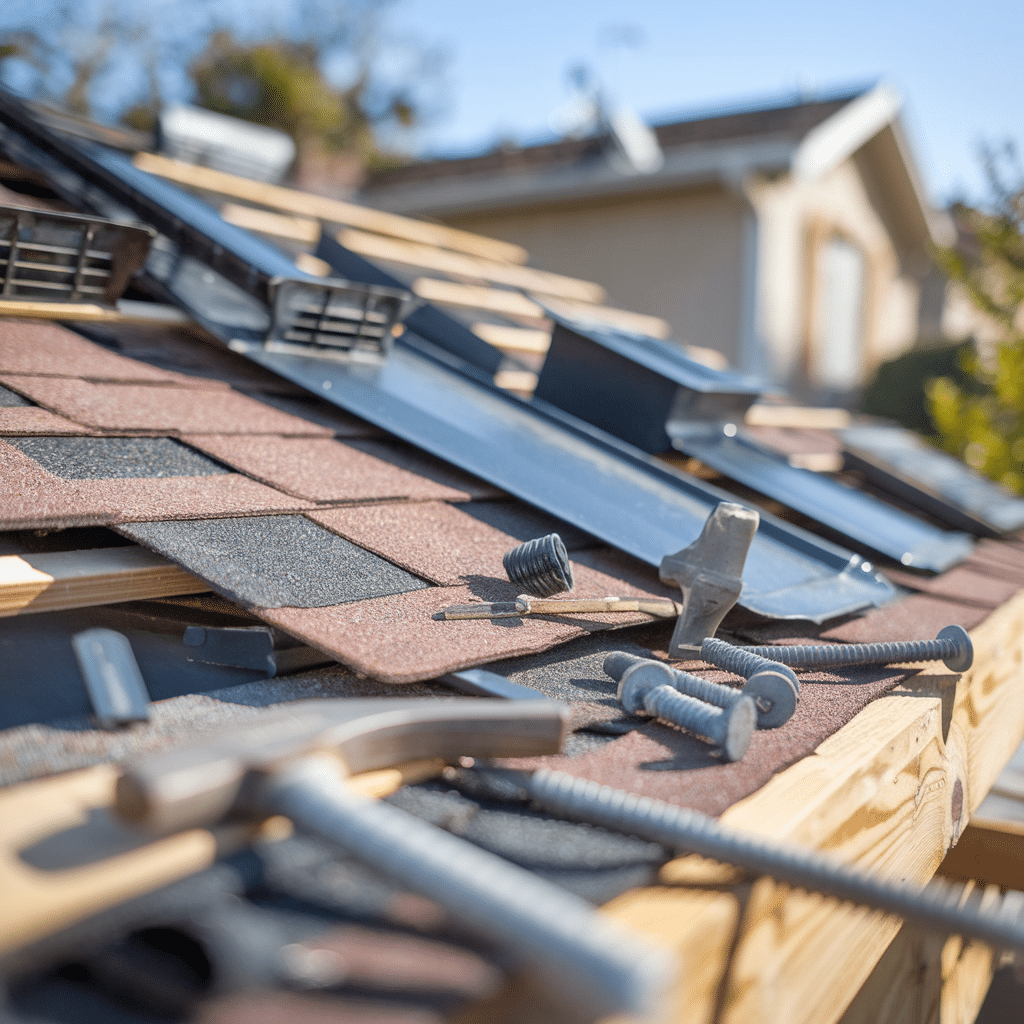
From ground level, use binoculars to scan your roofline systematically. Missing, cracked, or curling shingles create obvious entry points, but the real culprits often hide in transitional areas. Valleys—where two roof planes meet—concentrate water flow and wear faster than flat sections. In Glendale’s mix of older Spanish-style tile roofs and modern composition shingles, valley flashing frequently fails first. Look for rust streaks, separated seams, or visible gaps where metal should overlap seamlessly.
Chimneys present another vulnerable point. The roof flashing in Glendale homes must create a watertight seal where masonry meets roofing material—a junction that expands and contracts at different rates. Counter-flashing (the metal tucked into chimney mortar) and step-flashing (the pieces woven with shingles) work together. If mortar has crumbled or metal has separated, water pours down the chimney exterior and into your home. Downtown Glendale’s older homes often show this pattern, especially after our increasingly intense winter storms.
Roof penetrations multiply leak risk. Every vent pipe, exhaust fan, skylight, and antenna creates a hole that requires proper sealing. The rubber boots around vent pipes crack after 10-15 years of sun exposure. Skylights develop issues where their frames meet roofing material—particularly if installers didn’t properly integrate flashing. Citrus Grove homeowners with multiple bathroom and kitchen vents face proportionally higher leak probability simply because their roofs have more penetration points.
How Glendale’s Climate Creates Specific Leak Patterns
Southern California’s weather doesn’t give roofs the same beating as freeze-thaw cycles do elsewhere, but our conditions create unique vulnerabilities. Extended dry periods cause roofing materials to become brittle. Clay tiles common in Glendale crack more easily after months without moisture. When our winter rains finally arrive—sometimes dumping inches in hours—these compromised materials fail suddenly. The contrast between dry and wet seasons stresses expansion joints and sealants more than steady rainfall would.
UV exposure in our intense sunlight degrades asphalt shingles, rubber seals, and caulking compounds faster than in cloudier climates. A roof rated for 25 years in Oregon might last 18-20 years here before materials become porous. For Glendale’s 33% owner-occupied homes, this accelerated aging means more frequent maintenance than product warranties suggest. Landlords managing properties near the Americana at Brand or Glendale Galleria should account for this shortened lifespan in their maintenance budgets.
Wind-driven rain creates the most insidious leaks. Water doesn’t just fall vertically—it blows sideways during storms, finding entry points that stay dry during calm weather. Improperly installed ridge vents, gaps in soffit-to-fascia connections, and inadequately sealed dormer sidewalls only leak when wind pressure forces water where gravity alone wouldn’t push it. These leaks confuse homeowners because they’re intermittent and location-dependent on wind direction.
The Attic Investigation: What to Look For Safely
If your attic is accessible and you can safely navigate it, this investigation reveals truths your ceiling hides. Go up during or immediately after rain with a flashlight. Active leaks show themselves clearly—you’ll see water dripping, wet rafters, or saturated insulation. Mark these spots with chalk or tape so you can locate them later from the roof exterior. Remember that water travels: if you see wetness on a rafter, the entry point likely sits upslope (toward the roof peak) from where you’re standing.
Look for older water damage even if nothing is actively leaking during your inspection. Dark stains on wood, rusted nails, or compressed insulation indicate past intrusion. These areas will leak again because the path has already been established. In Adams Hill homes with original 1950s framing, you might find multiple generations of leak damage layered on top of each other—each representing a “repair” that didn’t address the root cause. This history guides professional roof repair services for homes and businesses in Glendale, CA toward permanent solutions.
Check ventilation while you’re up there. Inadequate attic airflow causes condensation that mimics leak symptoms. If you see moisture on the underside of roof decking during cold mornings, especially near the eaves, you’re witnessing condensation rather than external water intrusion. This requires ventilation improvements, not roof patching—misdiagnosis leads to wasted money on repairs that don’t solve the problem.
Temporary Measures You Can Safely Implement
When you’ve located a leak and professional help isn’t immediately available, certain temporary measures prevent additional damage. From inside, place buckets to catch dripping water and move valuables away from affected areas. Use towels to wick water away from walls and electrical fixtures. If water is pooling on a ceiling, carefully puncture the lowest point with a screwdriver to create a controlled drain—trapped water causes more drywall damage than a small hole you deliberately create.
From the exterior, a tarp properly secured can protect large areas during storms. The key is anchoring it correctly without creating new roof damage. Extend the tarp over the roof peak so water flows over it rather than underneath. Use 2×4 boards as battens to hold edges down, never nail or screw directly through roofing unless you absolutely know what you’re doing—improper fastening creates more leaks than it prevents. For Glendale homeowners uncomfortable with roof access, this is where professionals should be called rather than risking injury.
Roof sealants and caulks sold at hardware stores tempt homeowners to attempt quick fixes. These work temporarily for minor issues like separated flashing or small cracks, but they’re not permanent solutions. Most sealants fail within 6-12 months under UV exposure and thermal cycling. If you use them, consider it a stopgap until proper repairs happen. Apply them only to clean, dry surfaces—sealing over wet or dirty areas traps moisture and accelerates deterioration.
When to Call Roof Repairs and Construction Inc. for Expert Assessment
Certain leak scenarios require immediate professional intervention. If water is entering near electrical panels, meter boxes, or main service lines, shut off power to affected circuits and call both an electrician and roofer. If you see ceiling sagging or bulging, the weight of trapped water threatens collapse—this is an emergency. Widespread interior damage across multiple rooms indicates systemic failure rather than a localized issue, requiring comprehensive evaluation beyond what a homeowner can safely diagnose.
Even for seemingly minor leaks, professional assessment prevents expensive mistakes. Roofing contractors see patterns homeowners miss—how a small leak near a vent pipe actually originates from failed roof flashing in Glendale installations ten feet away, or how ceiling damage in one room predicts hidden rot in adjacent framing. For properties in Verdugo Woodlands where home values justify investment in proper repairs, the inspection cost (often around $150-300 in the Glendale market) saves thousands in misdirected DIY attempts.
Contact Roof Repairs and Construction Inc. at (323) 474-1088 when you need accurate diagnosis and lasting repairs. Our team understands how Glendale’s specific housing stock—from historic Craftsman homes to modern builds near Brand Park—develops leak patterns. We work within the budget constraints of middle-income homeowners while maintaining quality that protects high-value properties. Whether you need emergency tarping after a storm or comprehensive evaluation of chronic moisture problems, experienced assessment ensures you invest in repairs that actually solve the underlying issue rather than just treating symptoms.
❓ Frequently Asked Questions
How far can water travel inside a roof before appearing as a ceiling leak?
Water can travel 10-20 feet or more along rafters, insulation, and roof decking before dripping through your ceiling. This distance makes finding the actual roof breach challenging—the stain you see inside rarely sits directly below the exterior entry point. Professional roofers trace water paths backward by examining attic framing and understanding how your specific roof design channels moisture.
Why do roof leaks in Glendale suddenly appear after years without problems?
Roofing materials deteriorate gradually under UV exposure and thermal cycling, then fail suddenly when stressed by heavy rain. A shingle or flashing seal that held for 15 years becomes brittle and cracks—the first significant storm afterward reveals the weakness. Additionally, wind-driven rain during storms tests roof areas that stay dry during light rainfall, exposing vulnerabilities that didn't show up before.
Can I permanently repair a roof leak myself or should I call Roof Repairs and Construction Inc.?
Temporary measures like tarps and sealants help prevent immediate damage, but permanent repairs require proper material integration and understanding of how roofing layers work together. Misdiagnosed leak sources or improperly installed patches often make problems worse by trapping moisture or creating new entry points. Call (323) 474-1088 for assessment—the cost of professional diagnosis is far less than fixing damage from incorrect DIY repairs.
What should I look for when inspecting my Glendale home's roof for potential leaks?
Focus on transitional areas: valleys where roof planes meet, chimney flashing, vent pipe boots, and skylight perimeters. Missing or damaged shingles are obvious, but the subtle signs matter more—rust streaks on metal flashing, separated seams, cracked rubber seals around pipes, and gaps where different materials meet. Binoculars help you inspect from ground level safely before deciding whether to call professionals for closer examination.