Most North Hollywood Homeowners Wait Too Long to Inspect Their Roofs
The biggest misconception about spring roof inspections is that they’re only necessary if you see visible damage or notice a leak inside your home. This waiting approach costs North Hollywood homeowners thousands in emergency repairs. The reality is that spring damage—especially after the winter season—often develops underneath shingles, inside gutters, and along flashing before water ever reaches your interior walls. By then, structural damage and mold growth may already be advancing behind the scenes. A proper spring roof inspection checklist catches problems early, prevents costly water damage, and keeps your insurance claims valid when you need them most.
📋 In This Guide
North Hollywood’s seasonal weather patterns create specific challenges for roofs. Winter storms bring wind gusts that lift shingles without completely removing them, ice dam formation in gutters, and falling debris from mature trees common in neighborhoods like Toluca Terrace and Victory-Vineland. Spring rains then expose these hidden vulnerabilities. The sooner you inspect after winter, the sooner you can address damage before the rainy season peaks in late March and April.
What Should You Check During a Spring Inspection?
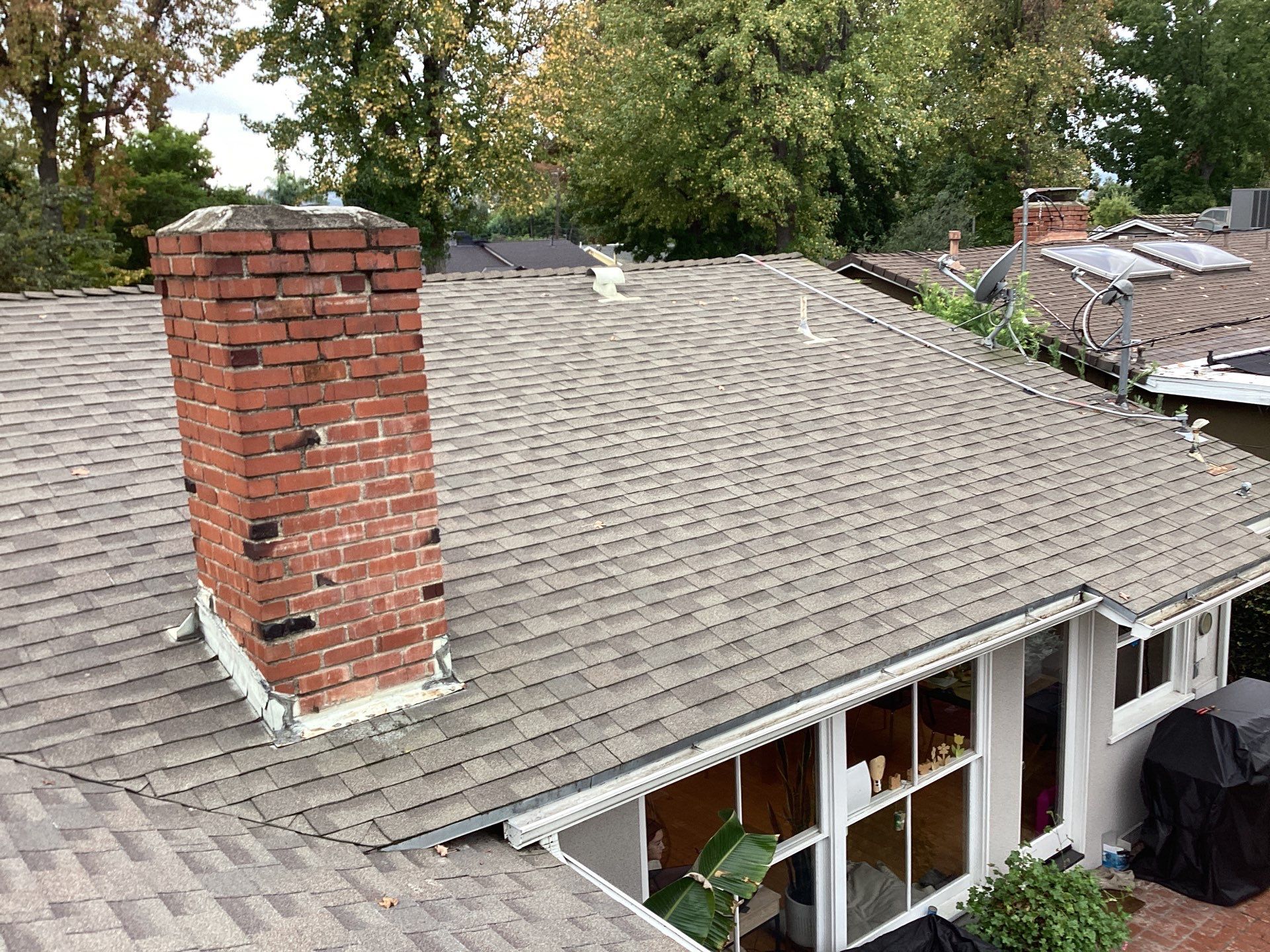
A comprehensive spring roof inspection covers eight critical areas. Start with shingle condition—look for curling, missing granules, lifted or torn edges, and discoloration that suggests moisture penetration. Winter storms commonly cause partial shingle damage that isn’t immediately obvious from ground level but compromises your roof’s weather resistance.
Next, inspect flashing around chimneys, vents, skylights, and where your roof meets walls. Flashing is typically the first point of failure because it experiences constant temperature cycling and wind stress. North Hollywood’s temperature swings between winter lows and spring warmth cause metal flashing to expand and contract, creating gaps where water can enter. Check that roof flashing in North Hollywood is properly sealed and hasn’t separated from the roof surface or masonry.
Examine your gutters for debris buildup, sagging sections, separated seams, and standing water that indicates improper drainage. Clogged gutters force water to back up under shingles, causing rot in fascia and soffit—damage that compounds when heavy spring rains arrive. If gutters are lined with ice dam remnants, debris accumulation is likely underneath.
Check for tree branch damage to the roof surface itself. Overhanging branches from oaks and pines common in North Hollywood neighborhoods can gouge shingles, puncture membranes on flat roofs, and deposit needles that trap moisture. Look for broken branches still resting on the roof and clear them immediately.
Inspect for moss and algae growth, especially on the north-facing slope where shade promotes moisture retention. While cosmetic issues exist, moss growth indicates moisture retention problems that accelerate shingle deterioration. Spring is the ideal time to address this before summer growth accelerates.
How Can You Safely Inspect From Ground Level?
Using Binoculars and Safe Positioning
Never climb onto your roof without professional equipment and training. Instead, use 10×42 binoculars positioned from your driveway or yard to examine shingles, flashing, and gutters in detail. Binoculars reveal granule loss, sealant separation, and rust spots on metal components that are invisible to the naked eye from ground level. Walk around your entire home’s perimeter, spending time on each side to catch damage that only appears from specific angles.
Documenting Issues for Insurance
Take clear photos and videos with your smartphone using binoculars as your guide. Capture wide shots showing the overall roof condition and close-ups of any damage, missing shingles, or separation. Date your photos and organize them by roof section. This documentation is critical if you need to file an insurance claim—adjusters will compare your spring inspection photos to damage photos after a storm to determine what’s weather-related versus pre-existing wear.
When to Call a Professional Contractor
If you’re uncomfortable using binoculars, have mobility limitations, or live in a multi-story home, hire a licensed roofing contractor in North Hollywood to conduct your inspection. Professional inspectors use drones and safe climbing equipment to access areas you cannot. They can identify interior damage through attic inspection, test flashing sealants, and provide detailed reports that satisfy insurance company requirements. This investment typically costs far less than the emergency repairs that result from undetected spring damage.
What Emergency Scenarios Require Immediate Action?
Certain findings demand same-day or next-day emergency repair attention. If you discover missing shingles exposing the decking underneath, water can penetrate within hours of rain. Punctured or split roofing material, separated flashing around chimneys or vents, and sagging gutters that have pulled away from fascia all require urgent repair. Fallen tree branches or limbs resting on the roof should be removed immediately to prevent punctures from weight or wind movement.
When you encounter these scenarios, contact Roof Repair & Construction Inc. at (323) 474-1088 for immediate roofing services in North Hollywood. Emergency roof repair teams can tarp damaged areas within 24 hours to prevent interior water damage while permanent repairs are scheduled. This rapid response is especially critical for rental properties in North Hollywood’s high-renter neighborhoods, where water damage liability falls on the property owner.
How Should You Create a Maintenance Record?
Maintain a simple spreadsheet or notebook documenting your spring inspection findings each year. Record the date, weather conditions during inspection, specific issues found (with photo reference numbers), repairs completed, and contractor information. Track when gutters were cleaned, when tree branches were trimmed, and any sealant reapplication dates.
This record becomes invaluable for establishing the roof’s maintenance history, which insurers use to assess claims and determine whether damage was caused by lack of maintenance or actual weather events. A well-documented maintenance history also protects property values—future buyers view consistent roof care as a sign of responsible ownership. For landlords managing rental properties across North Hollywood’s ZIP codes (91601, 91602, 91605, 91606), maintenance records demonstrate to tenants that the property is professionally maintained and help you avoid disputes over damage liability.
Timing Your Annual Inspection
Schedule your spring inspection between mid-March and early April, after the last winter storms but before spring rain intensifies. This window gives you time to request quotes, schedule repairs, and complete work before heavy precipitation arrives. If major damage is found, contact a roof repair North Hollywood specialist immediately to prevent compounding problems during rain events.
Comparison: DIY Inspection vs. Professional Assessment
| Inspection Method | DIY From Ground | Professional Contractor |
|---|---|---|
| Safety Risk | Minimal (binoculars only) | Professional equipment and training |
| Detail Detection | Surface-level damage visible | Attic, interior rot, hidden damage |
| Insurance Documentation | Basic photos only | Detailed reports satisfying adjuster requirements |
| Time Commitment | 1–2 hours per inspection | 2–4 hours including attic review |
| Best For | Budget-conscious homeowners doing initial scan | Thorough assessment, insurance claims, pre-sale inspections |
Budget-conscious North Hollywood homeowners often start with a ground-level inspection using binoculars, then request a professional assessment if concerns arise. Many contractors offer free inspections as part of repair estimates, so you’re not obligated to pay for professional review unless work is needed. This hybrid approach balances affordability with expertise when damage is suspected.
For renters or new homeowners uncertain about your roof’s condition, consider requesting a free roof inspection from a licensed roofing contractor in North Hollywood. Roof Repair & Construction Inc. provides detailed spring assessments to help you understand what maintenance your roof actually requires versus unnecessary upselling. Call (323) 474-1088 to schedule your spring inspection today and protect your home from costly water damage.
Frequently Asked Questions
What's the best time to inspect my roof in North Hollywood?
Mid-March through early April is ideal for spring roof inspections in North Hollywood. This timing falls after winter storms end but before spring rains peak, giving you time to identify damage and schedule repairs before heavy precipitation. Inspecting too late risks missing issues that cause water damage during late-season storms.
Can I safely inspect my roof from the ground without climbing?
Yes—use 10x binoculars from your driveway or yard to examine shingles, flashing, and gutters without climbing. This method reveals damage invisible to the naked eye while keeping you safe. Take dated photos of any concerns you spot, which will be valuable if you need to file insurance claims later.
How do I know if roof damage requires emergency repair in North Hollywood?
Missing shingles exposing decking, separated flashing around chimneys, sagging gutters, punctures in roofing material, and tree branches resting on the roof all require same-day or next-day attention. Contact Roof Repair & Construction Inc. at (323) 474-1088 for immediate assessment and emergency tarping to prevent interior water damage.
Should I hire a professional or do a DIY spring inspection?
DIY ground-level binocular inspections work well for budget-conscious homeowners doing an initial scan, but professional contractors detect hidden attic damage, interior rot, and provide insurance-compliant documentation. Many contractors offer free spring inspections, so request an assessment if you suspect damage or need verification for insurance purposes.