Every fall, Santa Ana winds push through the canyons and hillsides of Los Angeles, CA, gusting past 50 mph and lifting loose flashing, cracking aged tiles, and forcing debris under roofing membranes. That seasonal stress — layered on top of intense UV exposure that can degrade asphalt shingles 30 to 40 percent faster than in cooler climates — makes roof repair los angeles one of the most searched home-service topics in the region every year. This guide gives you real 2026 market context on what repairs cost, what drives those costs up or down, and what to have ready before you call a contractor.
For a full overview of roofing services available across the area, see the Los Angeles roofing services hub page. This article goes deeper on the pricing angle specifically — what projects in each repair category typically cost in this market, and why.
What Does Roof Repair Cost in Los Angeles, CA in 2026?
Roof repair in Los Angeles, CA typically ranges from $350 to $1,500 for minor repairs, and from $1,500 to $8,000 or more for mid-size to larger scopes involving flashing replacement, tile work, or structural repairs. These are regional market ranges, not quotes from any single contractor. The wide spread reflects the variety of roof types, home sizes, and damage scenarios across neighborhoods from the Arts District (ZIP 90013) to South Park (ZIP 90015).
As of 2026, labor rates in the Los Angeles metro have risen compared to prior years, driven by increased demand after back-to-back storm and wind seasons. Material costs for metal flashing, clay tile, and TPO membrane have also shifted upward since the supply disruptions of 2022 and 2023. Always treat any range you read online as a starting point, not a final number — your actual cost depends entirely on your specific roof.
What Affects the Cost of Roof Repair in Los Angeles?
Six factors move the price of a roof repair job more than any others in the Los Angeles market. Understanding them helps you compare quotes and spot anything that seems out of line.
- Roof material: Clay and concrete tile — extremely common in Los Angeles, CA — costs more to repair than asphalt shingle because individual tiles must be sourced to match, and labor is more technical. Metal standing-seam and TPO flat roofs each have their own repair methods and price points.
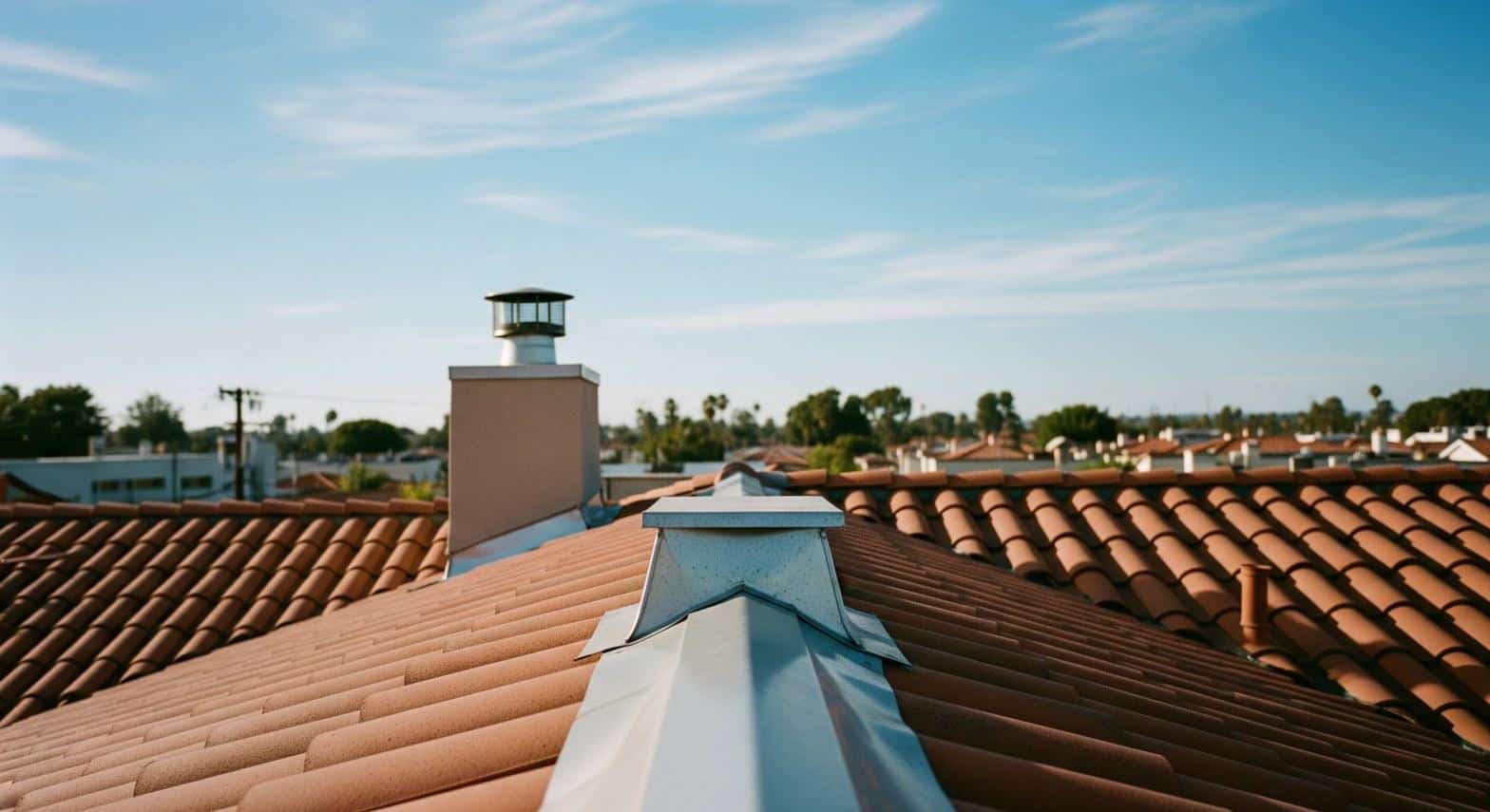
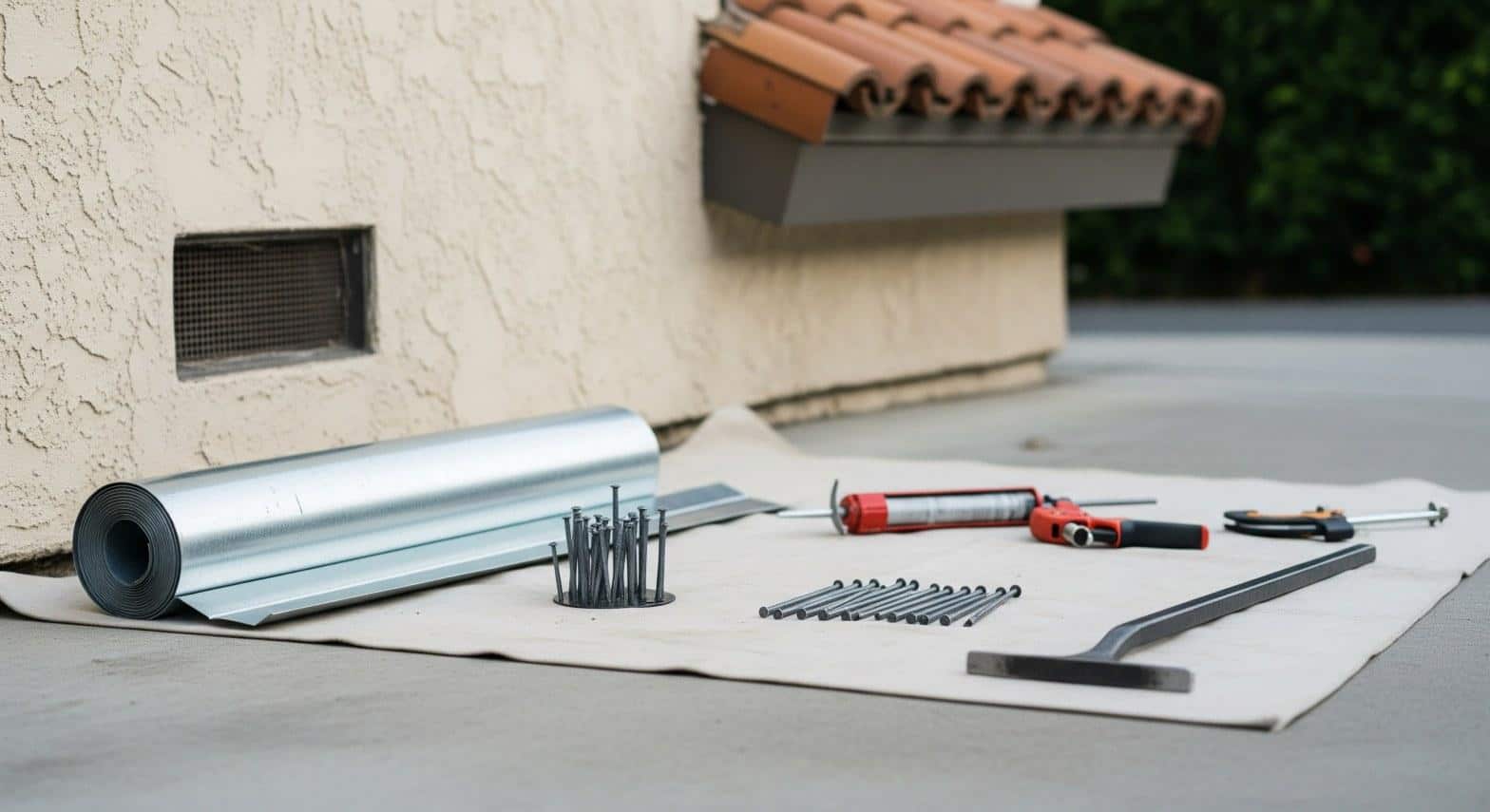
- Flashing condition: Metal flashing seals the joints around chimneys, skylights, vents, and roof-to-wall transitions. Corroded or lifted flashing is one of the most common repair triggers we see in Los Angeles. Replacing a full chimney flashing assembly typically runs higher than patching a single shingle field because it involves custom bending and sealing.
- Scope and square footage: A 10-square-foot patch costs far less than a 200-square-foot section of damaged decking. Contractors price by the repair area, so the larger the damaged zone, the higher the labor and material cost.
- Roof pitch and access: Steeper roofs require more safety equipment and slower work. Low-slope flat roofs on commercial or mixed-use buildings in Downtown LA (ZIP 90012) are easier to access but may require specialized TPO or modified-bitumen repair techniques.
- Permit requirements: Los Angeles requires permits for structural roof work and full replacements. Minor repairs often do not trigger a permit, but any job that touches the decking or changes the roofing system likely will. Permit fees add to the total project cost and should be itemized in your quote.
- Urgency and timing: Emergency repairs after a storm or wind event — especially during Santa Ana season in October through December — often carry a premium because demand spikes and scheduling is tight. Planning repairs in late winter or early spring typically allows more scheduling flexibility.
Roof Repair Cost by Project Type: Los Angeles Market Ranges
The table below shows typical market ranges for common roof repair scenarios in Los Angeles, CA as of 2026. These are regional estimates only — not quotes from Roof Repairs and Construction Inc. — and actual costs depend on scope, materials, and site conditions.
| Repair Scenario | Typical Market Range (Los Angeles, 2026) | What’s Usually Included |
|---|---|---|
| Minor shingle patch (up to 10 sq ft) | $350 – $700 | Remove and replace damaged shingles, re-nail, seal edges |
| Roof flashing repair or replacement (chimney, skylight, or vent) | $400 – $1,200 | Remove old flashing, fabricate or install new metal flashing, reseal, inspect surrounding field |
| Clay or concrete tile repair (5–20 tiles) | $500 – $1,800 | Source matching tiles, remove broken units, reset and mortar, inspect underlayment |
| Flat roof (TPO or modified bitumen) patch | $600 – $2,500 | Clean and prep surface, heat-weld or apply patch membrane, reseal seams |
| Decking repair or partial replacement | $1,500 – $8,000+ | Remove roofing layers, replace rotted or damaged OSB or plywood decking, reinstall roofing system, permit if required |
Flashing repairs deserve special attention in Los Angeles, CA. California’s Title 24 building energy standards require that roof assemblies maintain their thermal and moisture-barrier performance. Failing flashing undermines both. A small flashing gap that leaks for even one rainy season can saturate insulation and rot decking — turning a $600 flashing fix into a $4,000 decking repair. Across our service calls in Los Angeles, we find that roughly 6 out of every 10 leak complaints trace back to failed or improperly installed flashing rather than the roofing material itself.
A small flashing gap that leaks for even one rainy season can saturate insulation and rot decking — turning a $600 flashing fix into a $4,000 decking repair.
What Warning Signs Can You Spot from the Ground?
You do not need to climb on your roof to catch most early warning signs. A careful look from the ground, from an upstairs window, or from a ladder at the eave level reveals the most common problems. Walking on a roof without training and proper equipment is dangerous and can cause additional damage — leave the roof surface itself to a licensed contractor.
Look for these red flags from a safe vantage point:
- Missing or lifted shingles: Gaps or curled edges visible along the field or ridge are a clear sign of wind damage, common after Santa Ana events.
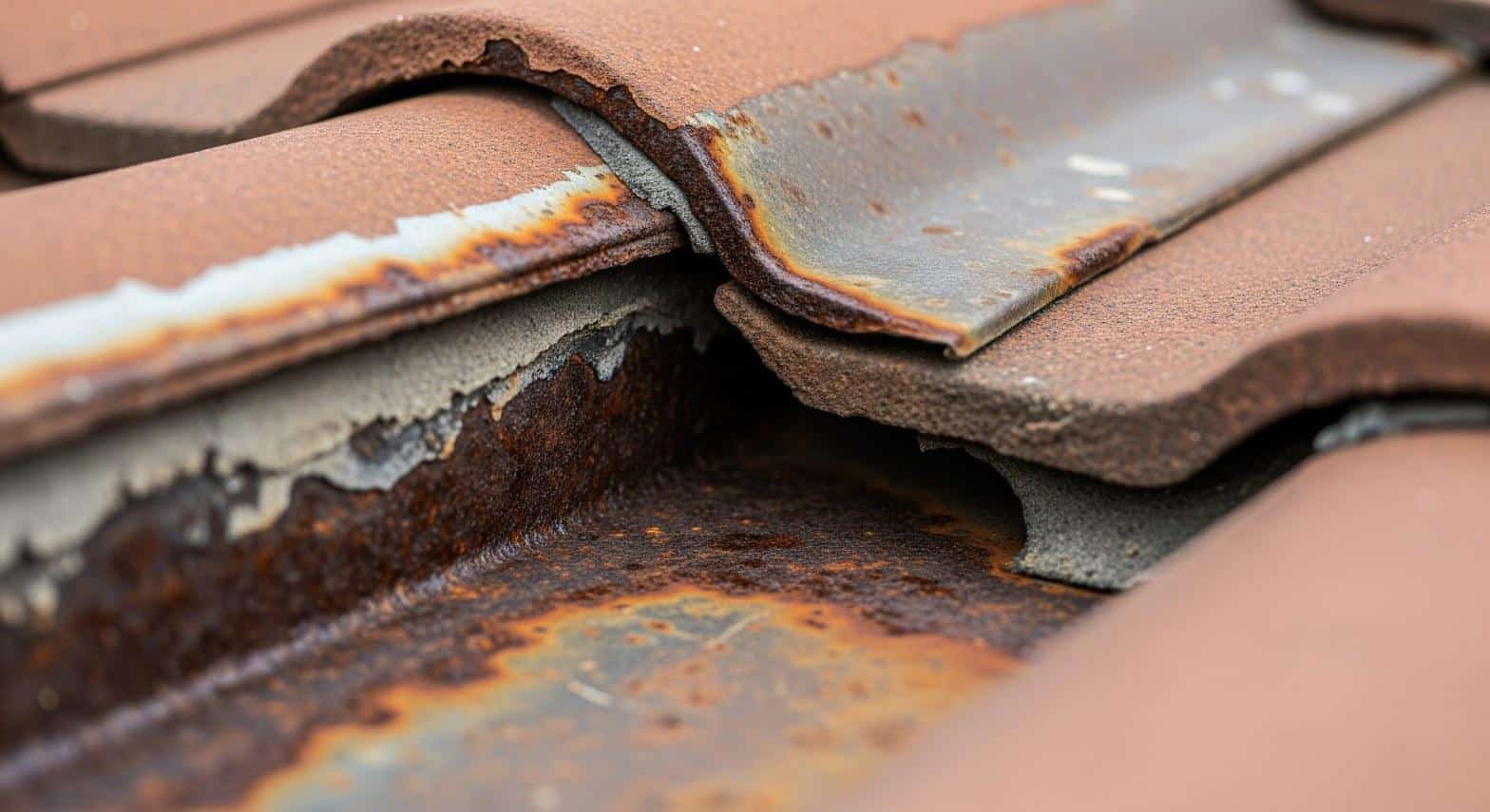
- Rust streaks or dark staining near flashings: Rust lines running down from a chimney or skylight indicate corroding metal flashing. Dark water stains suggest active or past leaking.
- Cracked or broken tile: Clay and concrete tiles that are visibly cracked, chipped, or displaced expose the underlayment to UV and moisture.
- Sagging roof plane: Any section of the roof that appears to dip or bow inward suggests decking or structural damage and warrants immediate professional inspection.
- Granules in gutters: A heavy accumulation of asphalt granules in your gutters or downspout splash area means shingles are nearing the end of their service life, typically 20 to 30 years for standard 3-tab or architectural shingles in Southern California.
- Daylight in the attic: If you can safely access your attic, look up during daylight hours. Any pinpoints of light coming through indicate gaps in the roof assembly.
Waiting on visible warning signs increases repair costs significantly. A small flashing gap costs a fraction of what decking replacement runs. In the Historic Core and Arts District neighborhoods of Los Angeles, many buildings are 60 to 100 years old, and deferred maintenance on flashing and tile is one of the most common factors that turns a minor repair into a major project.
What Is NOT Included in a Standard Roof Repair Quote?
Several common add-ons surprise homeowners when they appear on a final invoice. Knowing what a standard repair quote typically excludes helps you ask the right questions upfront.
- Permit fees: If a permit is required for your repair scope, the fee is usually passed through at cost and may not appear in an initial estimate.
- Decking or structural repairs discovered after tear-off: Hidden rot or damaged rafters are only visible once the roofing layers are removed. Reputable contractors write these as a separate line item once the scope is confirmed.
- Gutters and downspouts: Roof repair quotes generally do not include gutter repair, cleaning, or replacement unless specifically listed.
- Interior water damage: Drywall, insulation, or ceiling repairs caused by a past leak are typically handled by a separate contractor and are not part of a roofing repair scope.
- Attic ventilation upgrades: Improving soffit or ridge ventilation — often recommended alongside a roof repair in Los Angeles, CA to reduce heat buildup in summer — is usually quoted separately.
- Hazardous material handling: Older Los Angeles homes built before 1980 may have roofing materials containing asbestos. If testing or abatement is required, that cost is separate and regulated under California state law.
How Do You Get an Accurate Roof Repair Quote in Los Angeles?
The most accurate quotes come from contractors who physically inspect the roof before pricing the job. Any quote given over the phone without a site visit should be treated as a rough estimate only. To make the most of your inspection appointment, have this information ready:
- The age of your roof and the last time any repair or replacement work was done.
- The roofing material type — asphalt shingle, clay tile, concrete tile, metal, TPO flat, or other.
- Photos of any visible damage, water stains, or problem areas you have already noticed from the ground or attic.
- Your insurance carrier and policy number if you believe the damage may be covered. In California, most homeowner policies require damage claims to be filed within one year of the event, so don’t delay if a storm or wind event caused the issue.
- Any permit history you have for the property, especially if previous roofing work was done.
Contractors who are licensed by the California Contractors State License Board (CSLB) are required to provide a written contract for jobs over $500. Always ask for a written, itemized quote that separates labor, materials, permit fees, and any contingency items before agreeing to any work. This protects you and makes it easier to compare bids from multiple roofing repair companies in Los Angeles.
Our team handles roofing repair calls across Los Angeles ZIP codes including 90012, 90013, 90014, 90015, and 90017, and we find that homeowners who come prepared with photos and a basic material description cut their inspection time by about half — which means faster quotes and faster scheduling.
Request a Custom Roof Repair Quote in Los Angeles, CA
The market ranges in this guide give you a realistic starting point, but your actual cost depends entirely on your specific roof, its condition, and the scope of work required. Roof Repairs and Construction Inc. provides written, itemized quotes based on a physical inspection — not guesswork.
Get an accurate quote for your roof repair in Los Angeles, CA. Call Roof Repairs and Construction Inc. at (323) 474-1088 to schedule your inspection. Whether you have a flashing concern, a cracked tile, or a leak you haven’t been able to trace, a licensed roofer can give you a clear picture of what the repair involves and what it will cost for your specific project.
Related Articles
Frequently Asked Questions
How much does it cost to fix a leaking roof in Los Angeles?
In the Los Angeles, CA market, fixing a leaking roof typically costs between $400 and $2,500 depending on the source and scope of the leak. A failed flashing seal around a chimney or skylight is usually on the lower end, while a leak caused by rotted decking can push well past $2,000. Getting a licensed contractor to inspect the roof before pricing the job is the only way to get an accurate number for your specific situation. Call Roof Repairs and Construction Inc. at (323) 474-1088 to schedule an inspection.
How do I know if my roof flashing needs to be replaced?
The most common signs that roof flashing needs replacement are rust stains running down from a chimney or vent, visible gaps between the metal and the roofing material, water stains on interior ceilings near a chimney or skylight, and flashing that is visibly bent, cracked, or pulling away from the wall. You can often spot these signs from the ground or from an upstairs window without getting on the roof. If you see any of these warning signs on your Los Angeles home, have a licensed roofer inspect the flashing before the next rain season.
Does homeowner's insurance cover roof repair in Los Angeles?
Most California homeowner's insurance policies cover roof damage caused by sudden events like wind, falling debris, or fire — but typically do not cover damage from normal wear, aging, or deferred maintenance. In California, most policies require you to file a claim within one year of the damaging event, so acting quickly after a Santa Ana wind event or storm matters. Document the damage with photos and contact your insurer before scheduling repairs. A licensed roofing contractor can help you understand what the damage involves and provide documentation for your claim.
How long does a roof repair take in Los Angeles?
Most minor roof repairs in Los Angeles, CA — such as replacing a few tiles, patching shingles, or resealing flashing — are completed in one to four hours on the day of service. Larger jobs involving decking replacement, full flashing assemblies, or flat roof membrane repairs may take one to two full days. Permit-required work adds time for the inspection process, which varies by Los Angeles jurisdiction. Your contractor should give you a time estimate as part of the written quote.
How do I put flashing on a roof or apply roof flashing myself?
While DIY flashing installation is possible on simple low-slope sections, it is generally not recommended for most Los Angeles homeowners because improper installation is one of the leading causes of roof leaks in the region. Correct flashing requires custom bending metal to fit the specific angle and profile of your roof, applying compatible sealants, and integrating the flashing with the existing roofing material without disturbing the surrounding field. For chimney, skylight, and wall-transition flashing especially, a licensed contractor familiar with California's Title 24 moisture-barrier requirements will produce a longer-lasting result than most DIY attempts.