Serving Santa Monica

Coastal Flashing Work for Santa Monica Roofs

Roof flashing in Santa Monica faces a set of conditions that inland Los Angeles roofs simply don't — persistent marine layer moisture, salt-laden air off the Pacific, and the kind of slow, steady dampness that works its way into every unsealed seam and joint. From the craftsman bungalows of Ocean Park and the mid-century apartment buildings along the Pico Neighborhood to the larger homes north of Montana Avenue, Santa Monica's housing stock spans several eras and roof types, each with its own flashing vulnerabilities. The city's population of roughly 92,168 skews toward renters — about 71% of households — which means property owners and landlords here are managing buildings that see continuous occupancy and can't afford undetected leaks. With a median age of 42 and an average household size of just under two people, Santa Monica residents tend to be attentive to maintenance, and flashing failures rarely go unreported for long. Roof Repair & Construction Inc. works across all of Santa Monica's zip codes — 90401 through 90405 — bringing the same factual, no-surprise approach to every flashing assessment and repair.

Where Santa Monica Roofs Leak at the Flashing — Santa Monica — Roof Repair & Construction Inc.

The short answer

Roof Repair & Construction Inc. handles roof flashing in Santa Monica for the city's predominantly renter-occupied, older housing stock — from Ocean Park bungalows to Wilshire Montana mid-rises. With roughly 71% of Santa Monica's 46,207 households renter-occupied, property owners rely on sound flashing to protect their investments from coastal moisture. Call (323) 474-1088.

Flashing Materials That Hold Up to Santa Monica's Coast — Santa Monica — Roof Repair & Construction Inc.
Santa Monica Flashing Failures

Where Santa Monica Roofs Leak at the Flashing

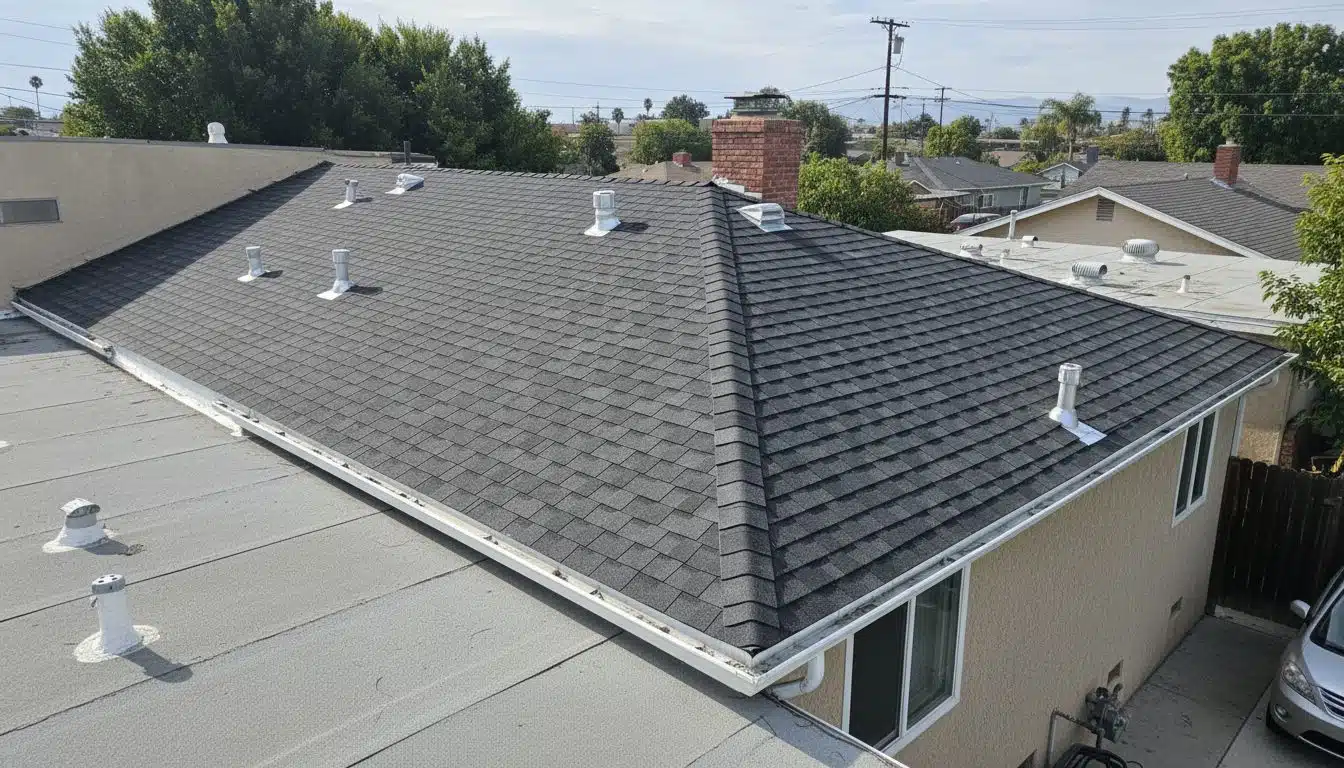
The marine layer that rolls in off the water near the Santa Monica Pier and Tongva Park doesn't just bring fog — it delivers sustained low-level moisture that finds every gap in aging flashing. On the older flat and low-slope roofs common in the Pico Neighborhood and Civic Center area, the most frequent failure points are where parapet walls meet the roof membrane, at HVAC curbs, and along interior drains. On pitched roofs in Sunset Park and North Santa Monica, step flashing at dormers and chimney counter-flashing are the typical culprits. Call (323) 474-1088 to have your roof's specific failure points assessed.

  • Parapet-to-membrane joints on flat commercial and multi-family roofs
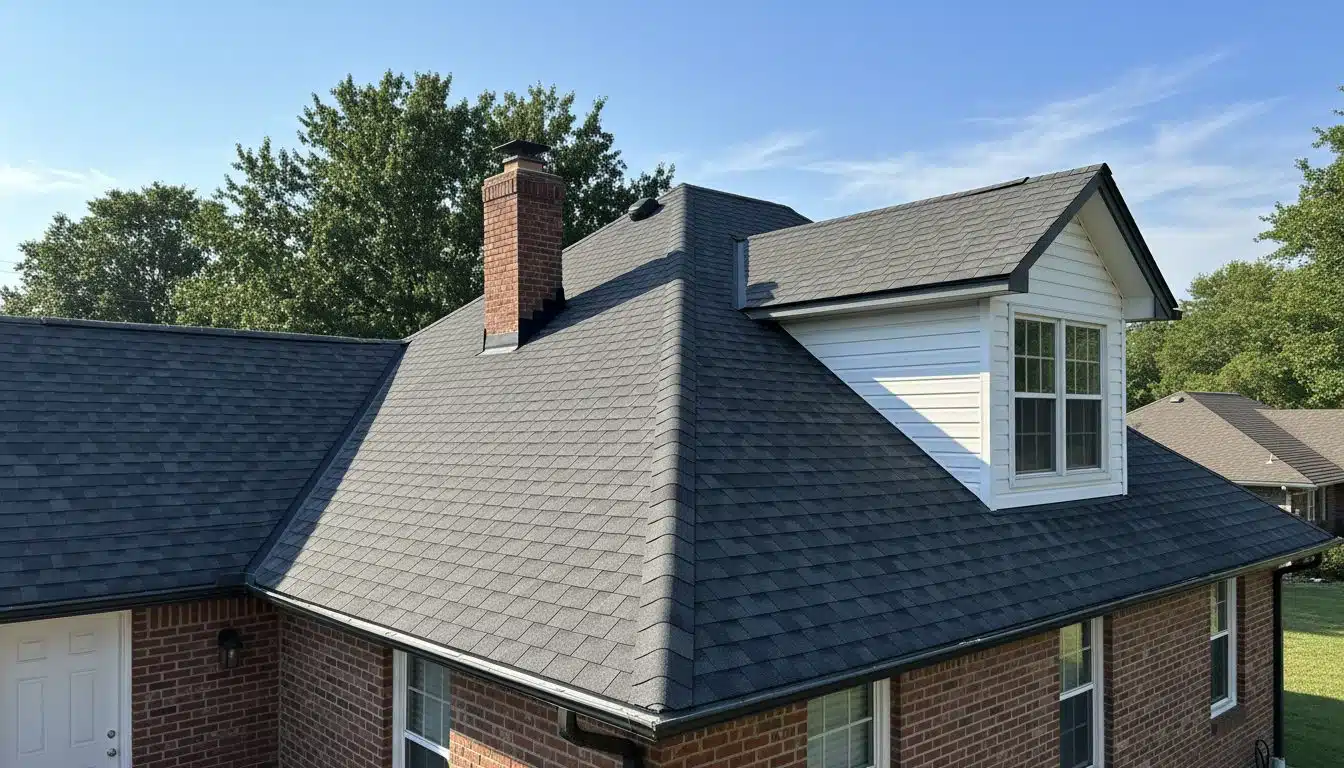
  • Chimney counter-flashing and saddle flashing on pitched roofs
  • Step flashing along dormers and roof-to-wall transitions
  • HVAC curb and skylight perimeter flashing
  • Valley flashing on older composition shingle roofs
  • Interior drain flashing on low-slope apartment rooftops
Instant Estimate · No Phone Call

What Will Your Roof Cost?

Answer a few quick questions and get a ballpark price for your Santa Monica roof in about a minute — right here, no obligation.

Calculate My Roof Cost ›

Marine Climate & Materials

Flashing Materials That Hold Up to Santa Monica's Coast

Salt air accelerates corrosion on standard galvanized flashing faster than it would on an inland roof in Culver City or El Segundo. For Santa Monica properties — especially those within a few blocks of the water in Ocean Park or the Wilshire Montana corridor — aluminum and lead-coated copper are common choices because they resist the oxidation that eats through cheaper metals. On flat and low-slope roofs, modified bitumen flashing integrated with torch-down or TPO membrane systems provides a fully bonded seal that doesn't rely on exposed metal edges. The right material depends on the roof type, the existing system, and proximity to the coast — call (323) 474-1088 to discuss what makes sense for your building.

Flashing Materials That Hold Up
Aluminum flashing for corrosion resistance in coastal zones
Lead-coated copper at chimneys and complex roof-to-wall transitions
Modified bitumen flashing integrated with torch-down membrane systems
TPO-compatible flashing details on low-slope commercial roofs
Galvanized steel where appropriate and protected from direct salt exposure
Sealant and caulk selection matched to Santa Monica's temperature range
City of Santa Monica Permits

Flashing Permits Under Santa Monica's Own Building Department

Santa Monica is an incorporated city with its own building and planning department — permits and inspections for roofing and flashing work go through the city, not through LADBS or LA County. Whether a flashing repair on a single-family home in North of Montana or a full re-flash of a flat-roof apartment building in the Pico Neighborhood requires a permit depends on the scope of the work, and the City of Santa Monica is the authority on that determination. Roof Repair & Construction Inc. works within the city's permitting process and treats the local building department as the definitive source on what applies to a given property. Call (323) 474-1088 to talk through the scope of your project.

Flashing Permits Under Santa Monica's
Permits issued by the City of Santa Monica Building & Safety Division
Scope of work determines whether a permit is required
Inspections coordinated through the city, not LA County or LADBS
Multi-family and commercial properties may have additional review steps
Title 24 cool roof requirements apply to qualifying re-roof projects
Property owner or licensed contractor can pull the applicable permit
Why Choose Us

Why Homeowners Choose
Roof Repair & Construction Inc.

From tile and shingle to flat and low-slope roofs, we handle every roof type in Santa Monica — one licensed team for replacement, repair, coating, cool roofs, and tear-offs.

Coastal-condition flashing for salt-air and marine moisture
Covers all Santa Monica zip codes, 90401–90405
Flat and pitched roof flashing on older multi-family buildings
Permits coordinated through the City of Santa Monica
Repair or full replacement — scoped to what the roof actually needs
Flat Roofs & Multi-Family Buildings

Flashing on Santa Monica's Flat-Roof Apartment Buildings

With roughly 71% of Santa Monica's households renter-occupied, the city has a dense stock of flat-roof apartment buildings — many of them mid-century construction in neighborhoods like Mid-City and the area around the Civic Center. These roofs rely on integrated flashing at every penetration, parapet, and drain, and deferred maintenance on any one of those points can compromise the entire membrane system. Roof Repair & Construction Inc. works on both the flashing details and the underlying flat roof systems — torch-down, modified bitumen, and TPO — so a flashing repair doesn't get patched in isolation from the roof it's meant to protect. Call (323) 474-1088 to schedule an assessment.

Flashing on Santa Monica's Flat-Roof
Parapet cap flashing and coping on mid-century flat-roof buildings
Drain and scupper flashing on low-slope multi-family roofs
Penetration flashing for plumbing vents, conduit, and HVAC equipment
Torch-down and TPO membrane integration at all flashing transitions
Inspection of existing flashing before recommending repair vs. replacement
Coordination with property managers for occupied multi-family buildings
Pitched Roofs in Santa Monica

Flashing on Santa Monica's Older Single-Family Homes

The single-family neighborhoods north of Montana Avenue and through Sunset Park include homes built across several decades, from early-twentieth-century craftsman construction through postwar additions and later remodels — each era with its own original flashing details and its own failure patterns. On these pitched roofs, step flashing at additions and dormers, valley flashing on complex rooflines, and chimney flashing are the areas that most commonly need attention after decades of coastal exposure. Roof Repair & Construction Inc. assesses the full flashing picture on these homes before recommending repair or replacement, so the work addresses the actual source of the leak rather than just the visible symptom. Call (323) 474-1088.

Flashing on Santa Monica's Older
Step flashing at roof-to-wall transitions on additions and dormers
Valley flashing on multi-pitch rooflines common in North of Montana
Chimney counter-flashing and saddle flashing on older homes
Skylight perimeter flashing on homes with later-added skylights
Assessment of original flashing materials before specifying replacements
Coordination with full re-roof when flashing replacement is part of a larger project

Ready to get started in Santa Monica?

Call for a free, no-pressure estimate.

Service Area

Santa Monica Service Area

Roof Repair & Construction Inc. provides Roof Flashing throughout Santa Monica. Service areas include Downtown Santa Monica, Ocean Park, Sunset Park, North of Montana, Mid-City, Pico Neighborhood, Wilshire Montana, North Santa Monica and Civic Center. We also serve nearby Los Angeles, Venice, Marina Del Rey, Pacific Palisades, Culver City and Malibu. The map below outlines the Santa Monica area we cover.
Questions

Frequently Asked Questions

How much does roof flashing cost in Santa Monica?
Flashing costs in Santa Monica vary based on the scope — a localized chimney re-flash on a Sunset Park home is a different job than re-flashing all the parapet walls and penetrations on a flat-roof apartment building in the Pico Neighborhood. The materials chosen (aluminum, lead-coated copper, modified bitumen) and whether a City of Santa Monica permit is required also affect the total. Roof Repair & Construction Inc. provides a specific estimate after assessing the roof — call (323) 474-1088 to get started.
What does a roof flashing repair in Santa Monica typically include?
A flashing repair generally starts with identifying the specific failure point — whether that's step flashing at a wall transition, counter-flashing at a chimney, or parapet cap flashing on a flat roof. The damaged or corroded metal is removed, the underlying substrate is inspected, and new flashing is installed and sealed to the existing roof system. On Santa Monica's coastal properties, the assessment also looks at whether adjacent flashing is showing early corrosion from salt air. Call (323) 474-1088 to schedule an assessment.
How long does a flashing repair take on a Santa Monica home or apartment building?
A focused flashing repair on a single-family home — such as a chimney re-flash in North of Montana or step flashing at a dormer in Ocean Park — typically takes a day or less. Larger jobs, like re-flashing all penetrations and parapet walls on a mid-century flat-roof building in Mid-City, take longer and depend on the building's size and the condition of the existing membrane. Permit timelines through the City of Santa Monica can add to the overall schedule when a permit is required. Call (323) 474-1088 for a realistic timeline on your specific project.
Does the coastal location in Santa Monica change which flashing materials are appropriate?
Yes — proximity to the ocean accelerates corrosion on standard galvanized flashing, particularly on properties in Ocean Park or within a few blocks of the Santa Monica Pier. Aluminum and lead-coated copper hold up better in salt-air environments, and on flat or low-slope roofs, fully integrated modified bitumen or TPO flashing details eliminate exposed metal edges that can corrode. The right choice depends on the roof type and how close the building is to the water. Call (323) 474-1088 to discuss materials for your property.
Can flashing be repaired without replacing the whole roof in Santa Monica?
In many cases, yes — if the underlying roof membrane or shingles are in serviceable condition, isolated flashing failures can be addressed without a full tear-off. This is common on Santa Monica's older single-family homes in Sunset Park or Wilshire Montana, where the roof itself may have years of life remaining but a specific flashing detail has failed. If the inspection reveals that the roof system is also near the end of its service life, Roof Repair & Construction Inc. will say so plainly and let you decide how to proceed. Call (323) 474-1088.
How does flashing work on a Santa Monica flat-roof apartment building differ from a single-family home?
Flat-roof apartment buildings — which are common throughout the Pico Neighborhood, Mid-City, and the Civic Center area — rely on flashing at parapet walls, interior drains, scuppers, and numerous roof penetrations for HVAC and plumbing. The flashing is integrated directly into the membrane system (torch-down, modified bitumen, or TPO) rather than being a separate metal layer over shingles. Failures at any one of these points can affect a large area of the membrane, so the assessment covers the full perimeter and all penetrations, not just the visible leak location. Call (323) 474-1088 to schedule a flat-roof flashing inspection.
Does flashing work on a Santa Monica property require a permit from the city?
Santa Monica operates its own building department, and whether a permit is required for flashing work depends on the scope of the project — the city is the authoritative source on what triggers a permit requirement for a given property. Larger re-flashing projects tied to a full re-roof are more likely to require a permit and inspection than a localized repair. Roof Repair & Construction Inc. works within the City of Santa Monica's permitting process and can help clarify what's needed for your specific job. Call (323) 474-1088.
What signs indicate that flashing has failed on a Santa Monica home?
The most common indicators are water stains on interior ceilings or walls near a chimney, skylight, or exterior wall — particularly after the marine layer brings sustained moisture rather than a heavy rainstorm. On flat-roof buildings in neighborhoods like the Civic Center or Pico Neighborhood, pooling water near a parapet or drain that doesn't clear within a day or two can signal a flashing failure rather than a membrane problem. Visible rust staining, lifted metal edges, or cracked sealant at any roof penetration are also worth investigating before the next wet season. Call (323) 474-1088 to have the flashing on your Santa Monica property assessed.