What Does Metal Roof Installation Really Cost?
If you’re a Southern California homeowner considering a metal roof, you’re probably wondering exactly what you’ll need to invest and whether it’s worth it. Metal roofing represents one of the largest home improvements you can make, and understanding the true cost structure, not just the sticker price, but the long-term value, is essential for making an informed decision. This breakdown walks you through every component of a metal roof installation, how different material types affect your total investment, and why many homeowners in Southern California’s established neighborhoods and newer developments view metal roofing as a smart financial move.
📋 In This Guide
Material Costs: Breaking Down Metal Roof Types
Metal roofing comes in three primary material categories, each with distinct characteristics that influence both installation and long-term performance. Standing seam metal roofing features vertical panels that run from the eave to the ridge, with overlapping seams that are mechanically fastened or welded. This system offers superior weather resistance and a modern aesthetic that appeals to homeowners across Southern California upgrading their properties.
Corrugated metal roofing uses wavy, overlapping sheets and is lighter in weight, making it popular for agricultural or industrial applications. However, it’s less commonly used on residential homes compared to standing seam systems. Metal shingle roofing mimics the appearance of traditional asphalt shingles or wood shakes while delivering the durability and energy efficiency of metal, making it an excellent choice for homeowners who want the benefits of metal without dramatically changing their home’s visual profile.
The cost per square foot varies significantly based on material type and gauge thickness. Thicker materials (lower gauge numbers) cost more but last longer and resist denting better. Coating options, including Kynar 500, Polyvinylidene Fluoride (PVDF), and polyester finishes, add to material cost but extend color retention and fade resistance, which matters in Southern California’s intense sun exposure. Premium coatings provide superior UV protection and are particularly valuable across Southern California, where high sun exposure is a year-round reality.
Labor and Installation Breakdown
What Installers Charge for Metal Roofing
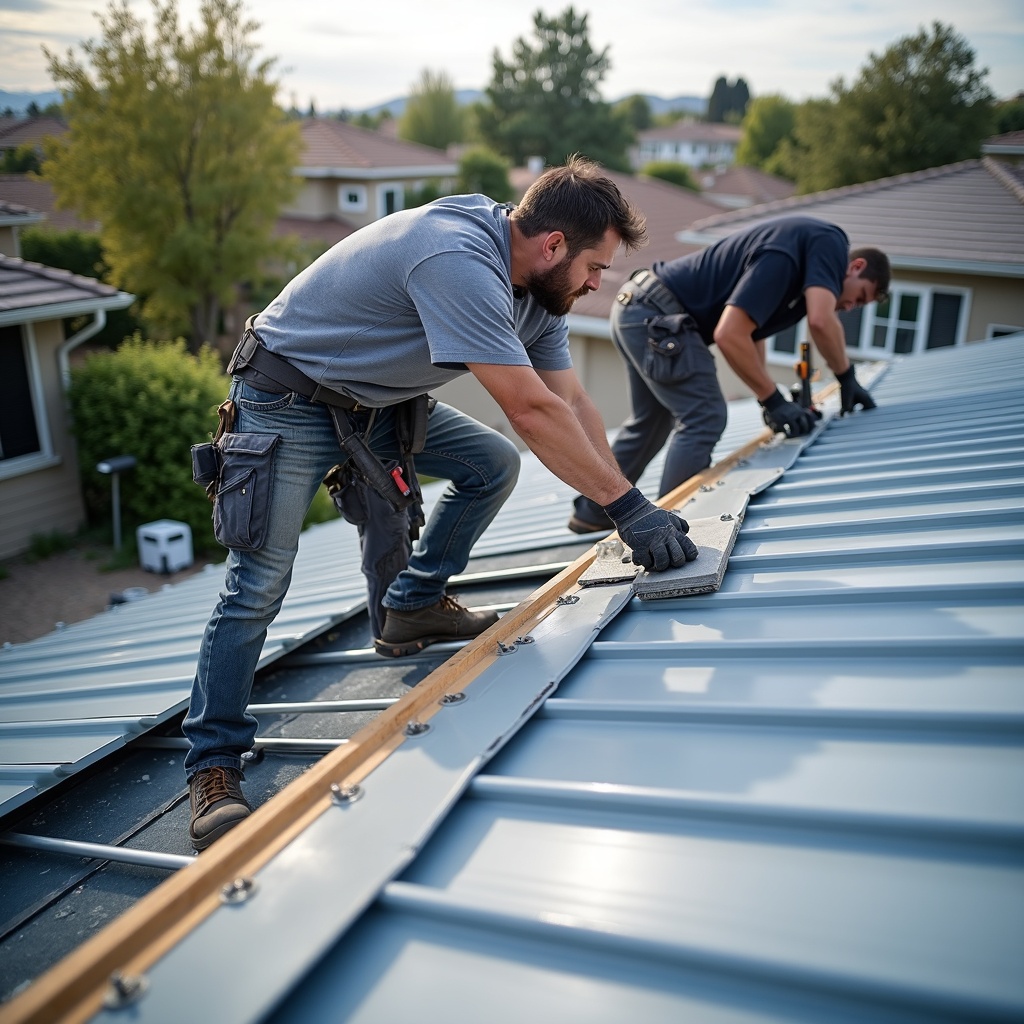
Labor represents a substantial portion of your total metal roof installation expense. Skilled roofing contractors charge based on roof complexity, pitch, size, and local market rates. A steeper pitch requires more safety equipment and slower installation, increasing labor time. Roofs with multiple valleys, skylights, or chimney penetrations demand careful flashing work and add significantly to labor costs.
A professional roofing contractor in Southern California will provide a detailed labor estimate that accounts for your specific roof configuration. The installation timeline typically spans 3-7 days depending on roof size and weather conditions. Metal roofing installation is more specialized than asphalt shingle work; it requires trained installers familiar with proper seam fastening, expansion and contraction allowances, and valley flashing techniques. This expertise justifies the labor investment.
Existing Roof Removal and Disposal
Before installing your new metal roof, the existing roof must be removed and disposed of properly. Disposal fees vary based on the amount of material and local landfill rates. Some roofers include removal in their overall estimate; others charge it separately. In many Southern California neighborhoods, homes date from the mid-20th century, and older asphalt shingle roofs require careful removal to avoid disturbing the underlying roof structure or insulation.
Underlayment, Flashing, and Additional Components
Metal roofing systems depend on quality underlayment to prevent moisture infiltration. Synthetic or rubberized underlayment is standard and provides a vapor barrier beneath the metal panels. Your roofing contractor will recommend underlayment thickness and type based on your roof’s slope and local weather patterns. Steeper roofs may use lighter underlayment; low-slope roofs benefit from heavier protection.
Roof flashing, the metal strips that redirect water away from valleys, edges, and penetrations, is critical to long-term roof performance. Metal roofing allows for more complex flashing designs than asphalt shingles, and proper installation here prevents the vast majority of future leaks. Flashing materials are typically galvanized steel, aluminum, or stainless steel, matched to your primary roofing material. Quality flashing work is precise and labor-intensive, representing a significant portion of the installation cost.
Additional components include ridge caps, edge trim, and fastening hardware. These elements, while individually modest, collectively contribute to both cost and system durability. Proper fastening, using stainless steel or specially coated fasteners, prevents corrosion and ensures panels don’t shift over decades.
Permits, Inspections, and Local Requirements
Southern California requires building permits for all new roof installations. The permitting process ensures your roof meets current building codes and structural standards. Your roofing contractor typically handles permit applications, but the cost is passed to you. Permit fees in Southern California depend on project value, and inspections occur at key stages, after removal, after underlayment installation, and again after the metal panels are installed and fastened. Some jurisdictions require structural engineering reports for metal roofing, particularly on older homes or those with unusual roof shapes. These requirements protect your property value and ensure a roof that will last decades without structural issues.
Material and Labor Cost Comparison Table
| Roofing Type | Material Characteristics | Installation Complexity | Lifespan |
|---|---|---|---|
| Standing Seam | Vertical panels, hidden fasteners, premium finishes | High, requires specialized seaming equipment | 40-60 years |
| Metal Shingles | Shingle-shaped panels, multiple finish options | Medium, easier than standing seam, more specialized than asphalt | 35-50 years |
| Corrugated Metal | Wavy sheets, lightweight, industrial appearance | Low, fastest installation method | 20-30 years |
Factors That Drive Installation Costs Up or Down
Roof Pitch and Accessibility
Steeper roofs cost more to install because they require additional fall protection equipment, slower work pace, and more experienced labor. A roof with a 6:12 pitch (steep) costs considerably more in labor than a 3:12 pitch (moderate). Accessibility also matters, roofs adjacent to trees, power lines, or located on hillside properties require extra safety measures and careful equipment positioning, adding to labor time and cost.
Roof Size and Complexity
Larger roofs obviously cost more in materials and labor. But complexity multiplies costs disproportionately. A straightforward rectangular roof is cheapest per square foot. Roofs with multiple valleys, dormers, skylights, and chimney penetrations require significantly more flashing work and precise measurement. Each penetration adds individual labor steps, and flashing mistakes lead to future leaks, so installers work deliberately and meticulously on complex roofs.
Existing Structural Condition
If your existing roof has damaged decking or structural issues, repairs must be completed before metal roofing installation. Wood rot, improper slope, or missing boards require remediation. Older homes across the region may have outdated roof structures that need reinforcement. These hidden costs only surface during removal, so budget flexibility is wise when working with pre-1980s properties.
Coating and Finish Upgrades
Premium coatings and finishes increase material costs. A basic polyester finish costs less than Kynar 500 or PVDF coatings, which offer superior color retention and fade resistance. In Southern California’s intense sun environment, premium coatings justify their extra cost by maintaining color vibrancy and protective qualities for 20+ years. Metallic finishes, wood-grain textures, and custom colors command additional premiums.
Why Metal Roofing Delivers Long-Term Value in Southern California
Understanding total cost of ownership separates wise roofing decisions from short-term thinking. Metal roofing’s value emerges over decades, not just at installation. A metal roof installation in Southern California typically lasts 40-60 years compared to asphalt shingles’ 15-25 year lifespan. Over 50 years, you might install three asphalt roofs versus one metal roof. Material and labor costs for multiple replacements far exceed a single metal installation.
Energy efficiency amplifies value in Southern California’s warm climate. Metal roofing reflects solar radiation, reducing cooling costs during the region’s hot summers. Light-colored metal finishes reflect more heat than standard asphalt, translating to measurable HVAC savings. While exact savings depend on your home’s size, HVAC system, and usage patterns, many homeowners report 10-20% cooling cost reductions. Over decades, this compounds into substantial savings.
Property value appreciation is another consideration. Discerning buyers recognize metal roofing’s durability and low-maintenance benefits, and a new metal roof is an asset that commands attention in any market. Sellers of homes with new metal roofs often recover much of their investment through higher sale prices.
Maintenance costs are minimal compared to asphalt shingles. Metal roofing doesn’t require regular sealing, granule replacement, or moss treatment. Occasional inspection and minor flashing maintenance are typically the only upkeep needed. This low-maintenance profile appeals especially to landlords managing rental properties in Southern California, reduced maintenance means lower vacancy-period costs and happier long-term tenants.
Financing Your Metal Roof Installation
Metal roofing represents a significant home improvement, and most homeowners explore financing options. Many roofers partner with lending companies offering favorable terms for roof installation projects. Home equity lines of credit (HELOC) allow homeowners to borrow against their home’s equity at competitive rates. Federal tax credits occasionally apply to roofing projects that meet energy efficiency standards, though requirements change regularly, your contractor can advise on current eligibility.
Some homeowners fund roofing through refinancing, while others use cash reserves if available. The key is understanding that metal roofing’s long lifespan and low maintenance make financing interest rates worthwhile; you’re investing in something that delivers decades of protection and cost savings. Comparing financing options helps you find terms that fit your budget while letting you complete the installation when your roof needs it, rather than delaying until cash is available.
Getting an Accurate Estimate for Your Home
Every home is unique, and estimating metal roof costs requires a detailed on-site assessment. Reputable contractors measure your roof carefully, evaluate structural condition, note complexity factors, and provide itemized estimates breaking down materials, labor, removal, underlayment, flashing, permits, and other costs. This transparency helps you understand exactly where your investment goes.
When requesting estimates from local contractors, provide information about your roof’s age, current condition, desired material type, and any specific concerns. Photos of your roof and home are helpful. Reliable roofing services in Southern California invest time in thorough estimates rather than rushing through quick assessments. They explain why certain materials and methods work best for your specific situation, not just for maximizing their revenue.
Roof Repair & Construction Inc. serves Southern California homeowners with comprehensive metal roofing installation, detailed cost breakdowns, and transparent communication throughout the project. Wherever you are across Southern California, we understand local building requirements, neighborhood preferences, and how to maximize your roofing investment. Contact us at (323) 474-1088 for a free, detailed estimate on your metal roof installation. We’re ready to discuss your specific project, answer questions about materials and costs, and help you move forward with confidence.
Explore our full range of roofing services across Southern California.
Frequently Asked Questions
What is the lifespan of metal roofing compared to asphalt shingles?
Metal roofing typically lasts 40-60 years, while asphalt shingles last 15-25 years. Over a 50-year period, you'll likely replace an asphalt roof three times but only install one metal roof once, making metal roofing more economical long-term despite higher upfront costs.
Can I install a metal roof over my existing asphalt shingles?
Most building codes and best practices require removing existing roofing before metal installation. Roof Repair & Construction Inc. handles full removal and disposal as part of the installation process, ensuring proper underlayment and flashing installation for optimal performance.
How much will a metal roof reduce my cooling costs?
Light-colored metal roofing reflects solar radiation, reducing cooling costs by 10-20% in Southern California's warm climate. Exact savings depend on your home's size, HVAC efficiency, and usage patterns, but savings compound significantly over decades.
Does metal roofing require special permits?
Yes, most Southern California jurisdictions require building permits for all roof installations, with inspections at key stages. Your roofing contractor typically handles the permitting process, and permit costs are included in your project estimate.