
California’s diverse climate, ranging from coastal fog to desert heat, plays a major role in determining how long a roof will last. If you’re a homeowner in the Golden State, understanding the lifespan of your roof is essential for planning maintenance and budgeting for eventual replacement.
At Roof Repair & Construction Inc, we’ve seen firsthand how different weather conditions can affect roofing materials. From intense UV rays to wildfires and heavy rains, your roof’s longevity depends on a mix of environmental exposure and material choice. As we move, California homeowners are facing increasingly variable weather patterns that make informed roofing decisions more important than ever. In this article, we’ll walk you through what to expect when it comes to roof lifespan in California and how you can maximize it.
EXPERIENCED ROOFERS SHARE INSIGHT
How Long Does a Roof Last in California?
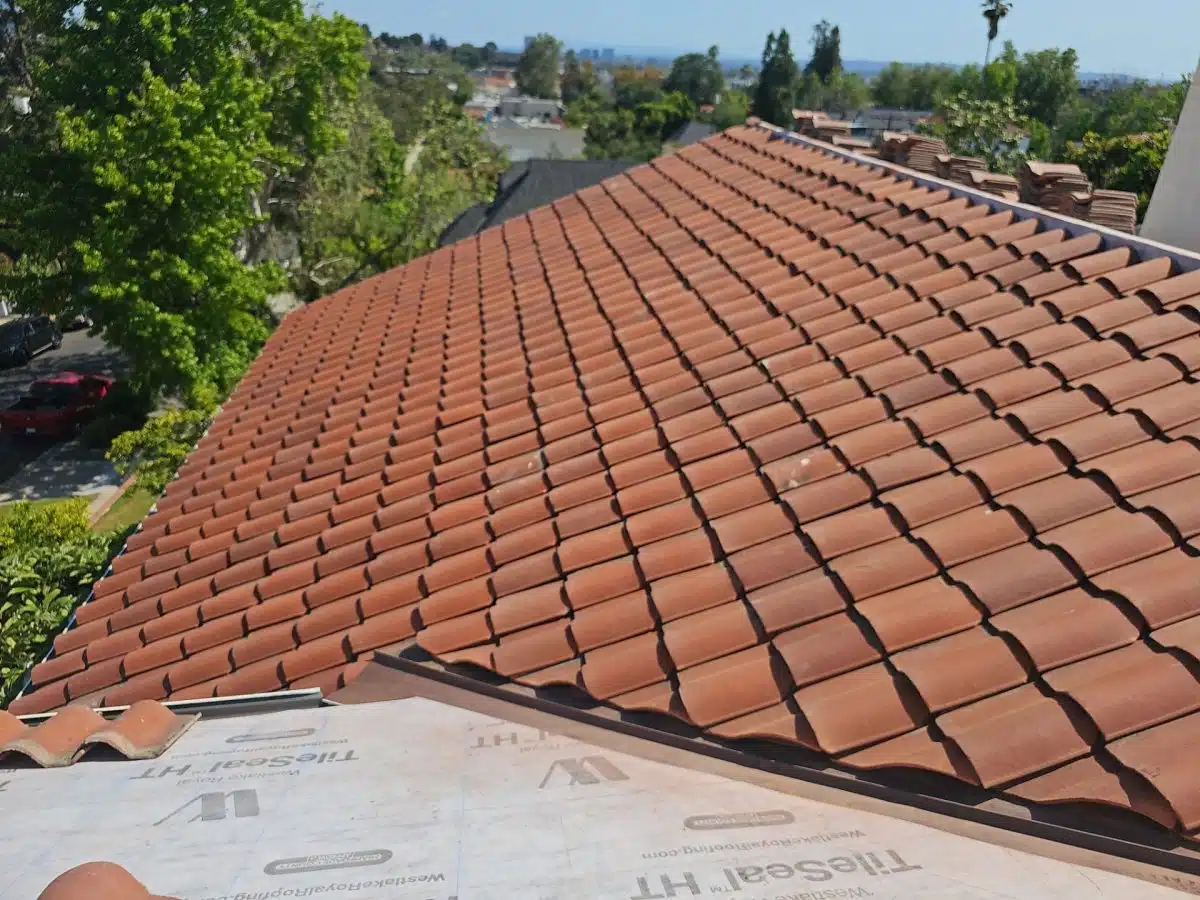
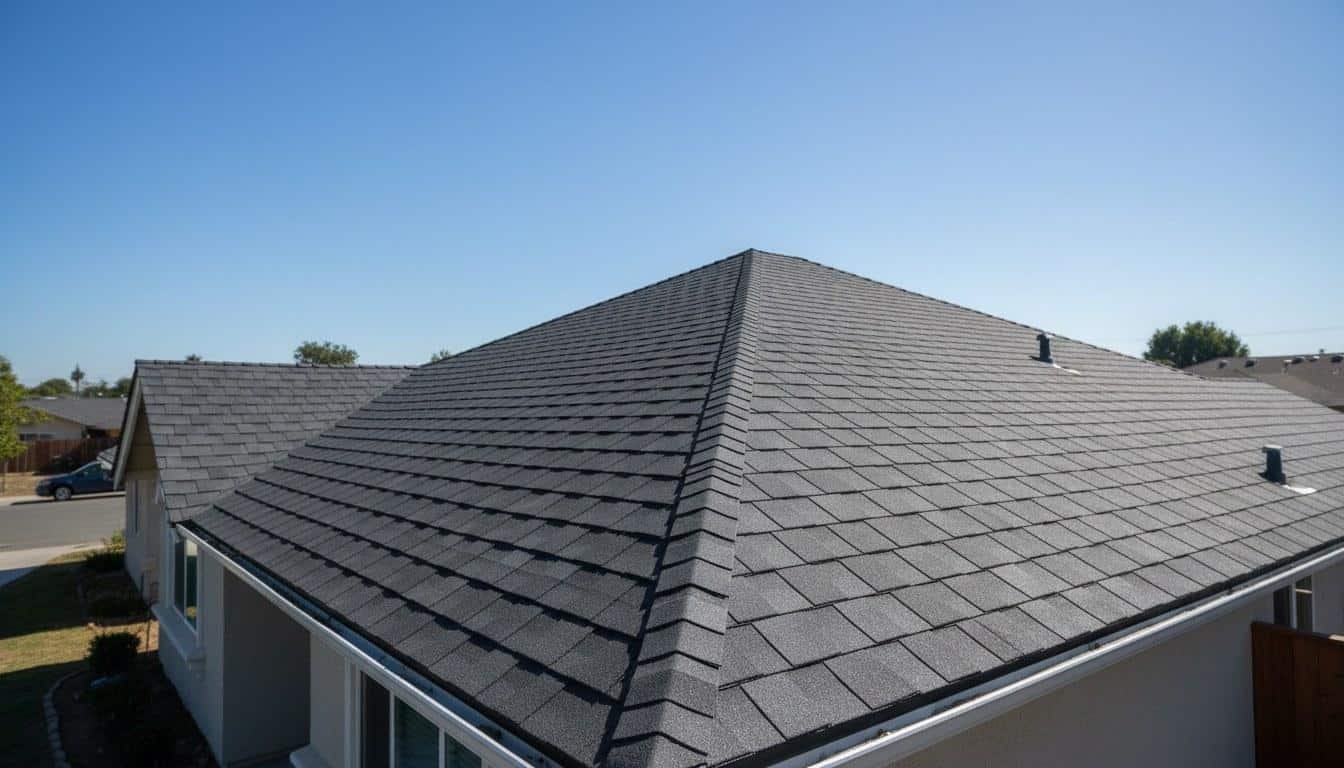
In California, the average roof lasts between 20 to 50 years, depending on the material and local climate. Asphalt shingles, the most common material, typically last 20-30 years before showing significant wear. Tile and metal roofs can push past the 50-year mark if properly maintained and installed by experienced professionals. Coastal moisture, inland heat, and wildfire zones all influence wear and tear, and as California’s climate continues to shift, these stressors are becoming more pronounced heading.
Roofing Material Lifespan in California
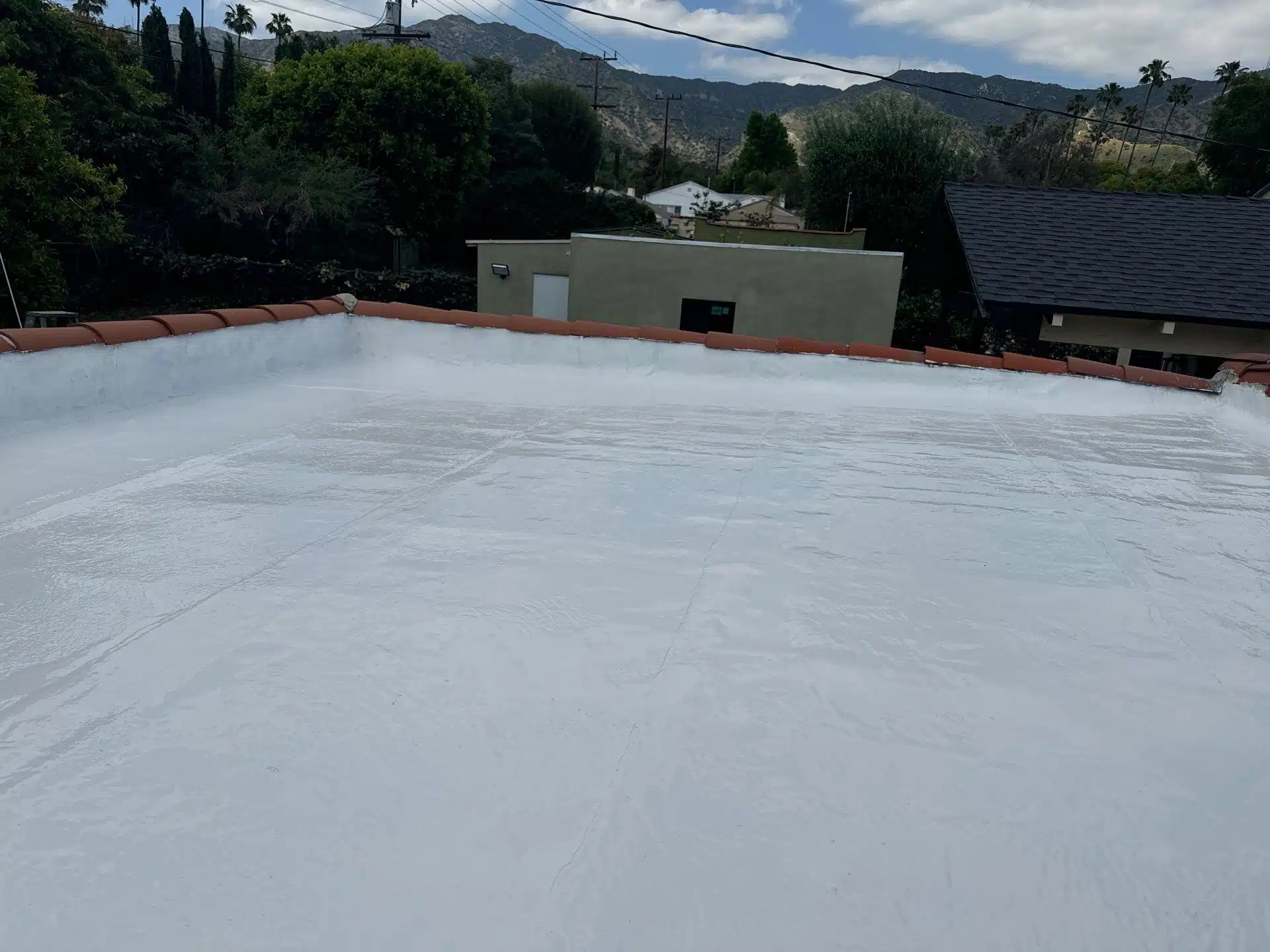
Different roofing materials have distinct lifespans based on their resistance to California’s unique climate stressors. For example, UV-resistant tiles last longer in Southern California’s sun, while metal roofing performs best in areas with minimal rainfall and wildfire risk. Cool-roof-rated materials, which have grown in popularity heading into 2026, can also help reduce heat absorption and extend roof life in inland and desert regions. Your roof’s longevity depends heavily on selecting the right material for your environment, and staying informed about newer options that are increasingly engineered to handle California’s demanding conditions.
Roof Maintenance in California’s Climate
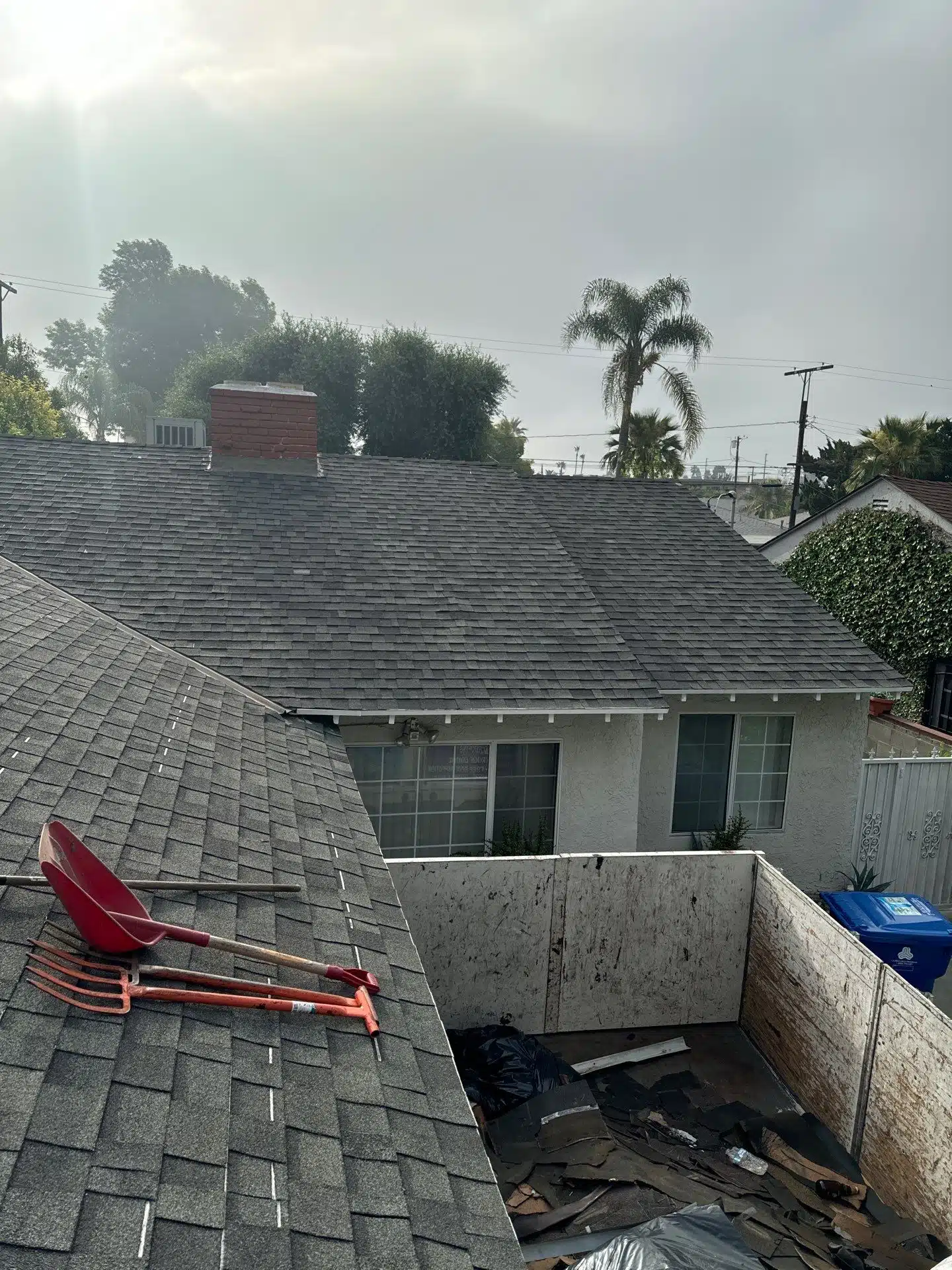
To get the most out of your roof, routine maintenance is essential, especially in a state like California where weather extremes can strike at any time. Regular inspections help catch problems early, whether it’s cracked tiles from heat expansion, moisture intrusion from coastal fog, or debris buildup following high-wind events that have become increasingly common in recent years.
We recommend biannual roof inspections and gutter cleanings, especially after fire season or heavy rains. With California’s 2026 fire season outlook remaining a concern across many regions, staying proactive about roof condition is more important than ever. Small repairs today can save you thousands in premature roof replacement tomorrow.
Ready to Extend the Life of Your Roof? Contact Roof Repair & Construction Inc
If you’re wondering how long your roof will last in California, don’t leave it up to guesswork. At Roof Repair & Construction Inc, we provide thorough evaluations and personalized advice based on your location and roof type. Whether it’s patching a few shingles or planning a full replacement, we’re here to help you make the right decision for 2026 and beyond.
Contact us today for a free inspection. Let’s ensure your roof stays strong, safe, and secure, no matter what the California climate throws your way.
Recent Roofing Repair Advice
How to Choose a Roofing Contractor in California: 7 Things to Check Before You Hire
Hiring the wrong roofing contractor can cost thousands in repairs and void your homeowner's insurance claim. This guide walks you through 7 concrete checks every California homeowner should make before signing anything.
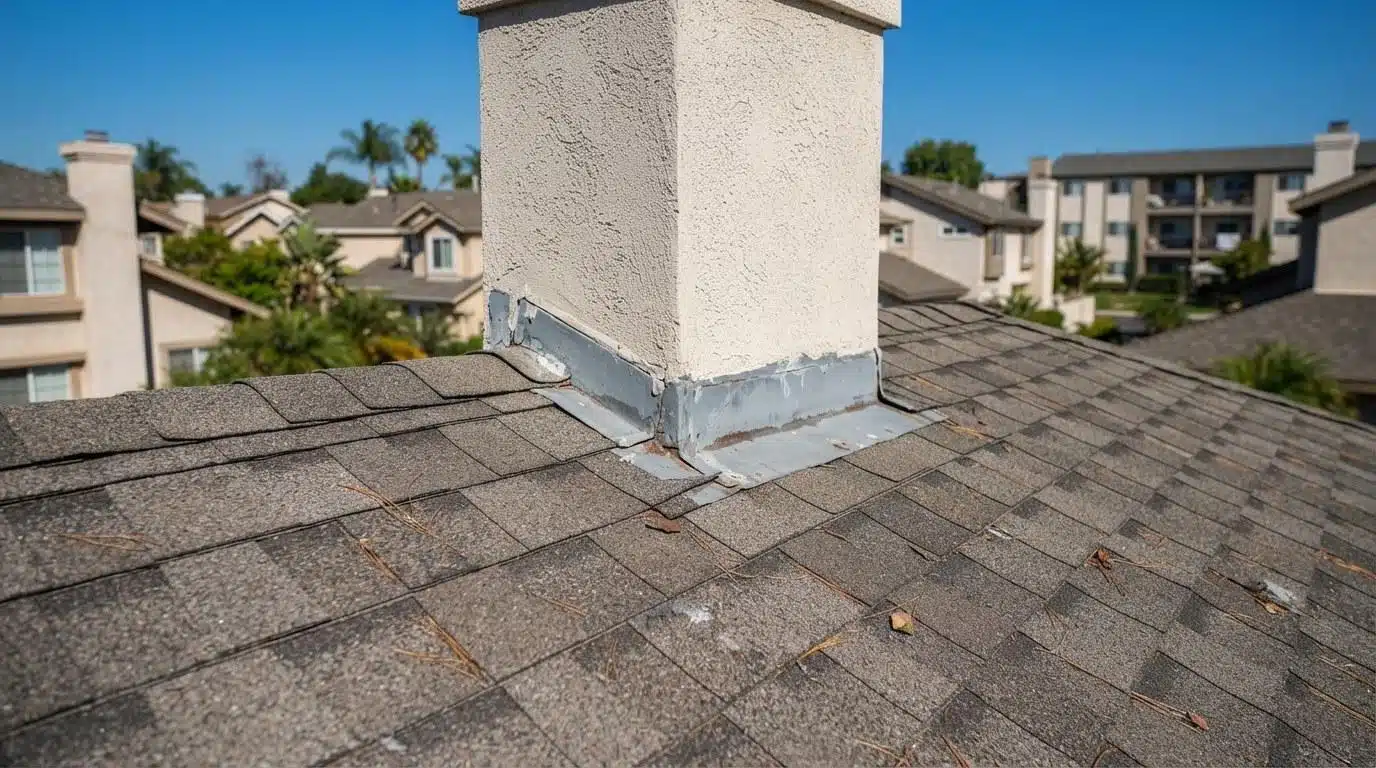
Summer Roof Maintenance Checklist for California Homeowners: 2026 Edition
California summers are brutal on roofing materials, and a missed inspection in August can mean a leaking roof by the first fall rain. This guide walks you through every task that protects your home before the season turns.
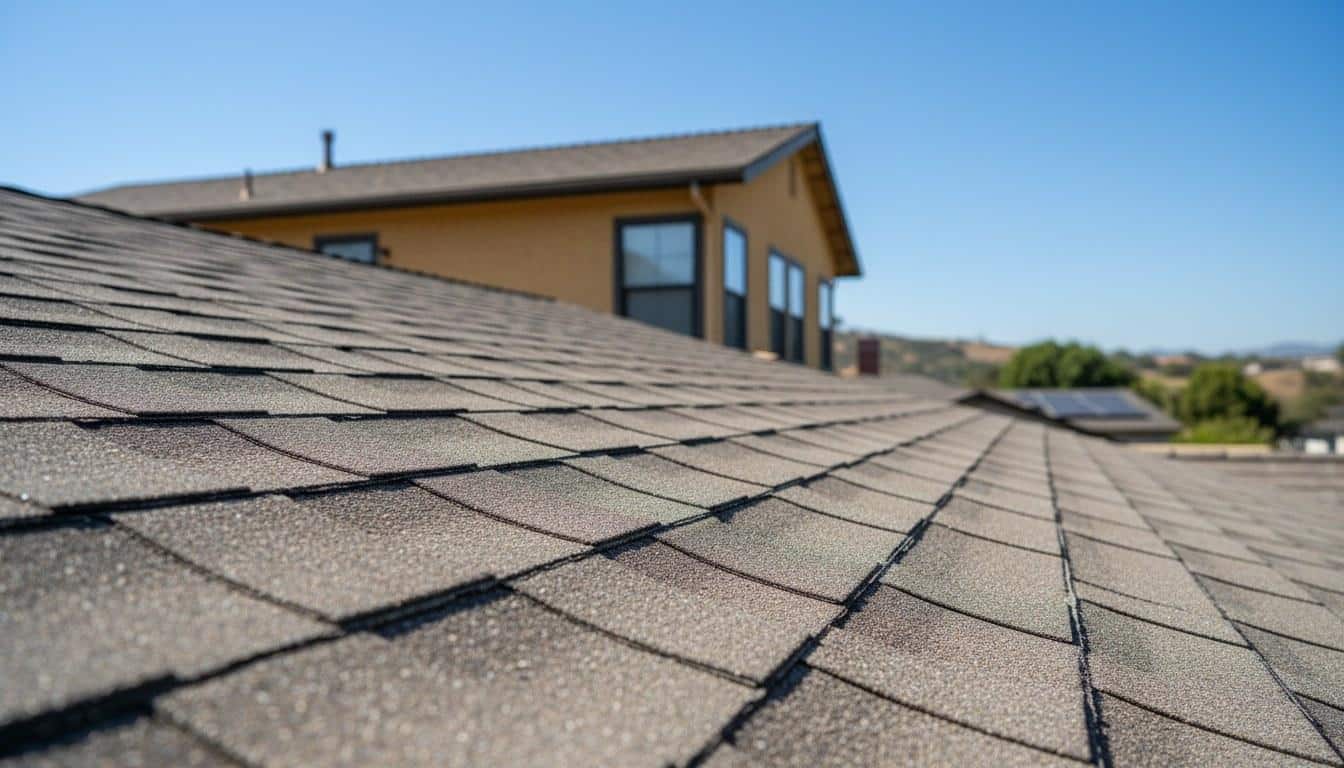
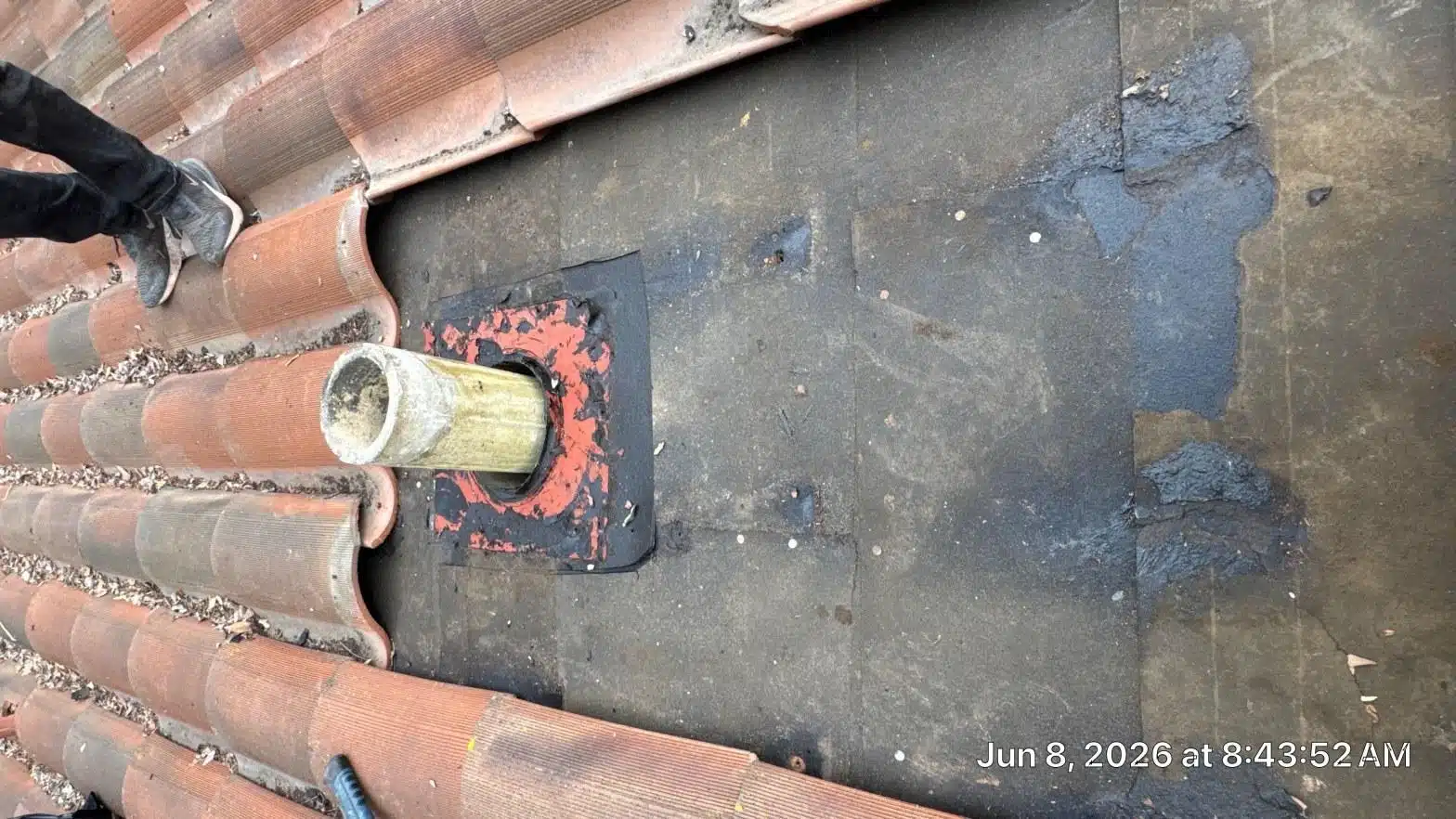
What Causes Roof Leaks? 8 Common Culprits California Homeowners Miss
Roof leaks in California often start small and stay hidden for months. This guide breaks down the 8 most common causes so you can catch problems early and protect your home.
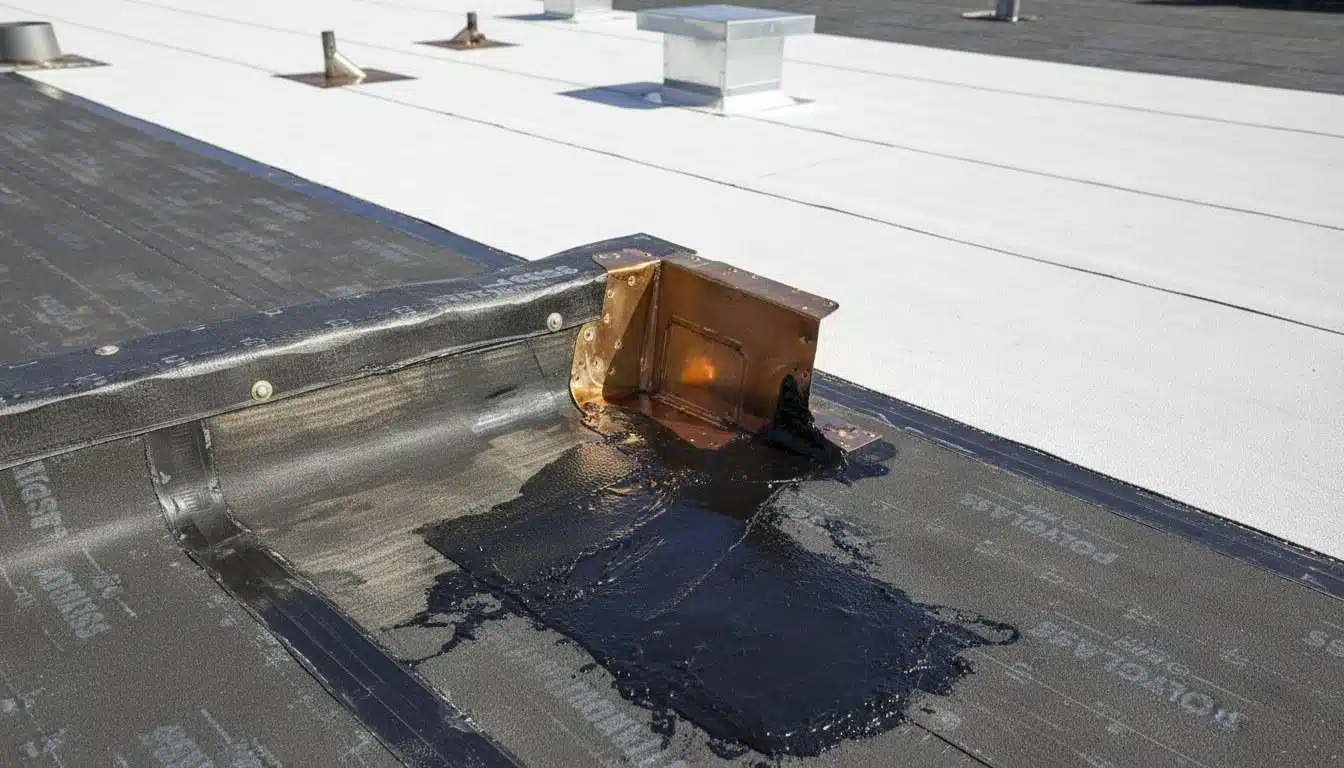
Affordable Roof Restoration Services: What’s Included and What It Costs
An affordable roof restoration service can add years to your roof's life for far less than a full replacement. This guide breaks down what's included, typical costs, and how to choose a qualified contractor in California.
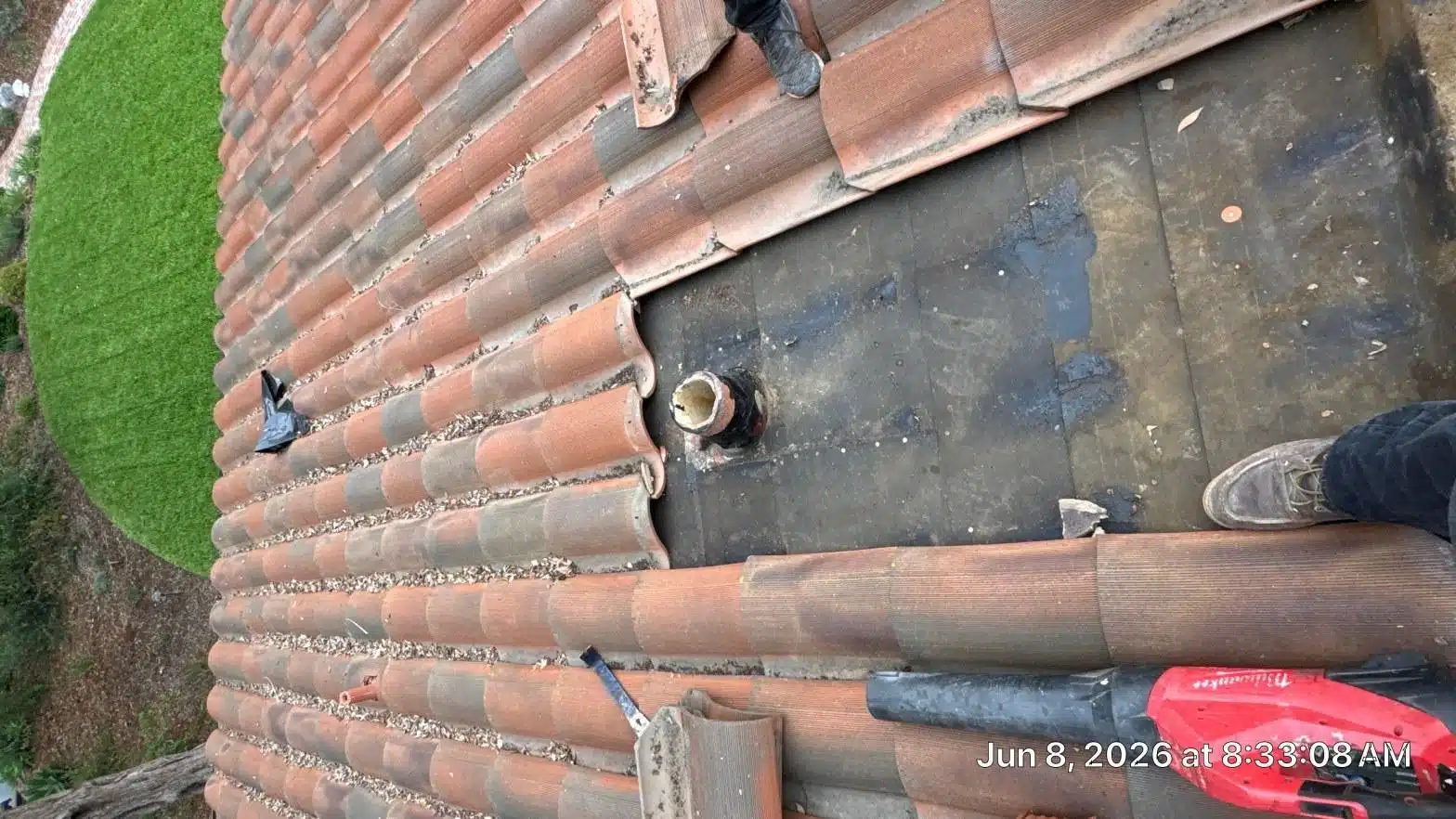
Roof Flashing Problems on Hillside Properties: What Homeowners Near Fryman Canyon Should Know
Hillside homes near Fryman Canyon face elevated moisture, debris runoff, and thermal stress that make roof flashing problems more likely and more damaging. This guide walks homeowners through the warning signs, safe DIY checks, and when to call a licensed professional.
How Much Does a Full Roof Replacement Cost in California? 2026 Breakdown
A full roof replacement in California typically ranges from $8,000 to $25,000 or more depending on size, material, and complexity. This 2026 guide breaks down every cost factor so you can plan with confidence.